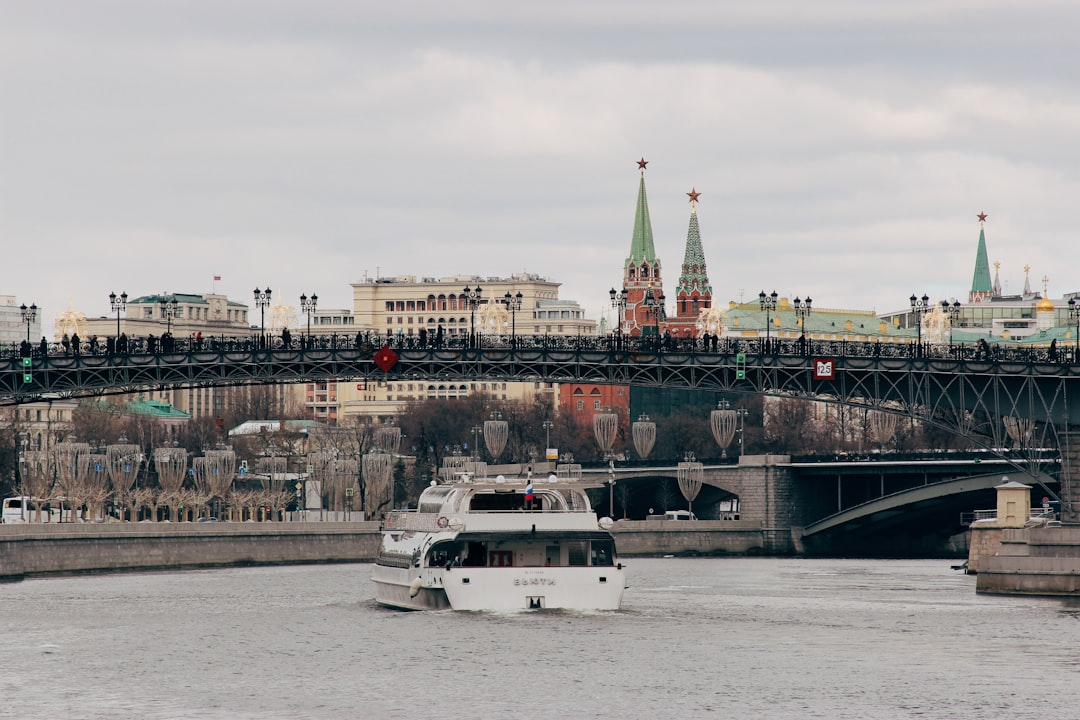
The leader of Russia's Communist Party delivered a stark warning to parliament on Tuesday about the risk of revolution if the country's economic situation continues to deteriorate, representing a rare public acknowledgment of domestic instability within Moscow's normally tightly controlled political system.
Gennady Zyuganov, who has led the Communist Party of the Russian Federation since 1993, told the State Duma that rising inflation, falling living standards, and growing inequality have created conditions that "historically have preceded revolutionary upheaval in Russia."
The comments, broadcast on state television, mark an unusual moment of public dissent within a parliament that typically functions as a rubber stamp for Kremlin policies. While the Communist Party is technically an opposition party, it generally supports President Vladimir Putin's government on major issues, particularly the war in Ukraine.
"We are approaching a critical threshold," Zyuganov said. "History shows us what happens when the people lose faith in their government's ability to provide basic economic security."
To understand today's headlines, we must look at yesterday's decisions. Russia has experienced two major revolutions in the past 110 years, both triggered in part by economic crisis combined with military setbacks. The 1917 Bolshevik Revolution occurred amid World War I's catastrophic costs, while the Soviet Union's collapse followed years of economic stagnation.
Current economic indicators show mounting pressure on Russian households. Official inflation stands at 7.8%, but independent economists estimate the real rate for basic goods exceeds 15%. The ruble has lost more than 40% of its value against major currencies since the war in Ukraine began, and sanctions have restricted access to imported consumer goods.
The government's military spending, which now consumes an estimated 40% of the federal budget, has crowded out social programs and infrastructure investment. Regional governors have reported difficulty paying public sector salaries on time, and pension adjustments have failed to keep pace with inflation.
Zyuganov's warning comes as Russia approaches local elections in September, typically a period when the Kremlin ensures political stability. His decision to speak publicly about revolutionary risks may reflect genuine concern within parts of the political establishment about social stability.
Kremlin spokesman Dmitry Peskov dismissed the comments as "political rhetoric" and insisted that Russia's economy remains "resilient and growing." Official statistics claim GDP growth of 3.2% in the first quarter, though independent analysts question the reliability of government economic data.
Some Western intelligence agencies have reported increased monitoring by Russian security services of public sentiment and potential protest activity, suggesting the government may be more concerned about domestic stability than public statements indicate.
"When even nominal opposition figures within the system start using revolutionary language, it's a signal that elites are worried," said Dr. Tatiana Stanovaya, a Russian political analyst based in Paris. "It doesn't mean revolution is imminent, but it shows the economic pressure is real."