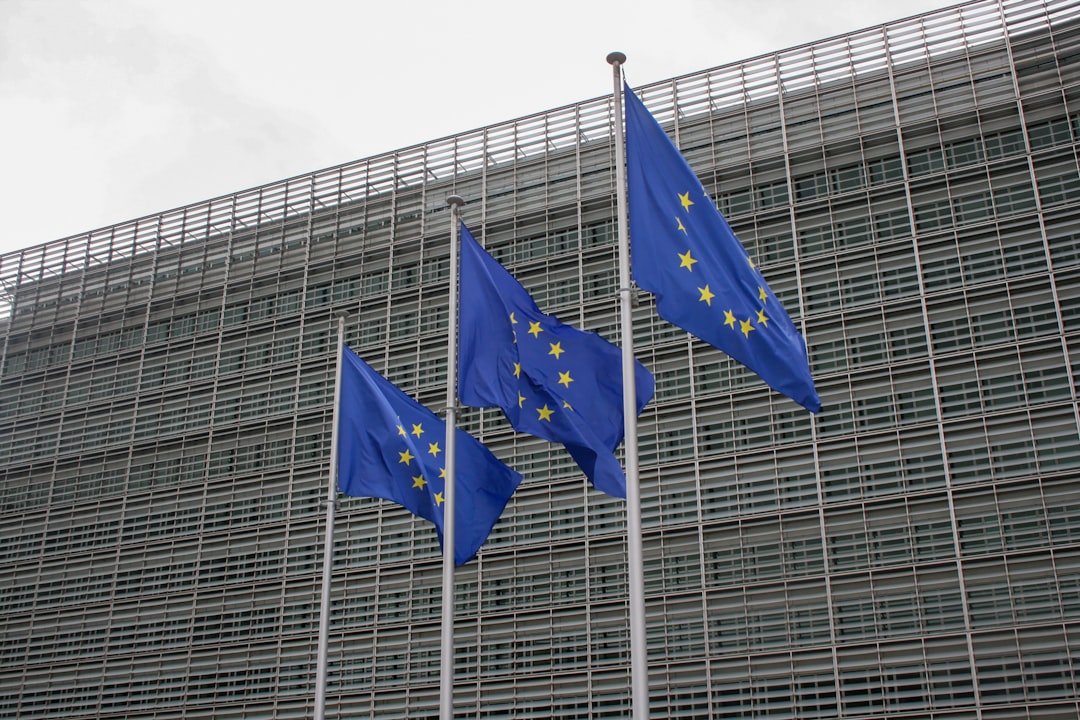
Denmark has selected the European-made SAMP/T air defense system over America's Patriot batteries in a €3.5 billion procurement decision that signals growing support for European defense integration and raises questions about NATO interoperability.
The Danish Defense Ministry announced Tuesday that it would purchase the Franco-Italian Surface-to-Air Missile Platform/Terrain (SAMP/T) system, manufactured by European consortium Eurosam, ending months of competition with America's Raytheon and its Patriot system, which has dominated European air defense for three decades.
The decision makes Denmark the fourth European country to choose SAMP/T over Patriot, joining France, Italy, and Poland in what defense analysts describe as a broader trend toward European defense autonomy.
"This procurement strengthens European defense industrial cooperation and ensures that Denmark can defend itself with cutting-edge technology," said Danish Defense Minister Troels Lund Poulsen. The contract includes eight firing units and will create approximately 200 jobs in Denmark through maintenance and support contracts.
To understand today's headlines, we must look at yesterday's decisions. NATO allies have long relied predominantly on American weapons systems, creating dependencies that some European leaders have sought to reduce. France has particularly advocated for "strategic autonomy" in defense, arguing that Europe must be capable of defending itself regardless of American political shifts.
The SAMP/T system uses the Aster 30 missile, which has proven effective against ballistic missiles, cruise missiles, and aircraft. While Patriot has a longer operational history and is deployed more widely across NATO, SAMP/T offers certain technical advantages in mobility and rapid deployment.
Technical experts note that Denmark's choice was driven partly by interoperability with other Nordic and European forces. Sweden and Finland, both recently admitted to NATO, are also evaluating European systems, creating potential for regional defense integration.
However, the decision raises concerns about NATO standardization. Alliance doctrine assumes that member states can share ammunition and coordinate fire control between different air defense batteries. Having multiple competing systems in theater could complicate defensive operations.
"From a purely military standpoint, having fewer systems makes logistics simpler," said retired NATO Air Marshal Sir Stuart Peach. "But politically, European governments want to support their own defense industries."
The Patriot system remains the cornerstone of air defense for most NATO countries, including Germany, the Netherlands, and Poland's existing batteries. Ukraine has also received Patriots and considers them critical to defending against Russian missile attacks.
American officials expressed disappointment with the decision but emphasized continued defense cooperation with Denmark in other areas. The Pentagon has not commented on whether the choice affects broader NATO planning.
Defense industry analysts suggest economic factors played a significant role. The European consortium offered a larger industrial participation package, including licensed production of components in Denmark and training programs that create long-term employment.
The procurement will be funded through Denmark's commitment to spend 2% of GDP on defense, a target it has consistently met since 2016. Delivery of the first SAMP/T batteries is scheduled for 2028, with full operational capability expected by 2030.