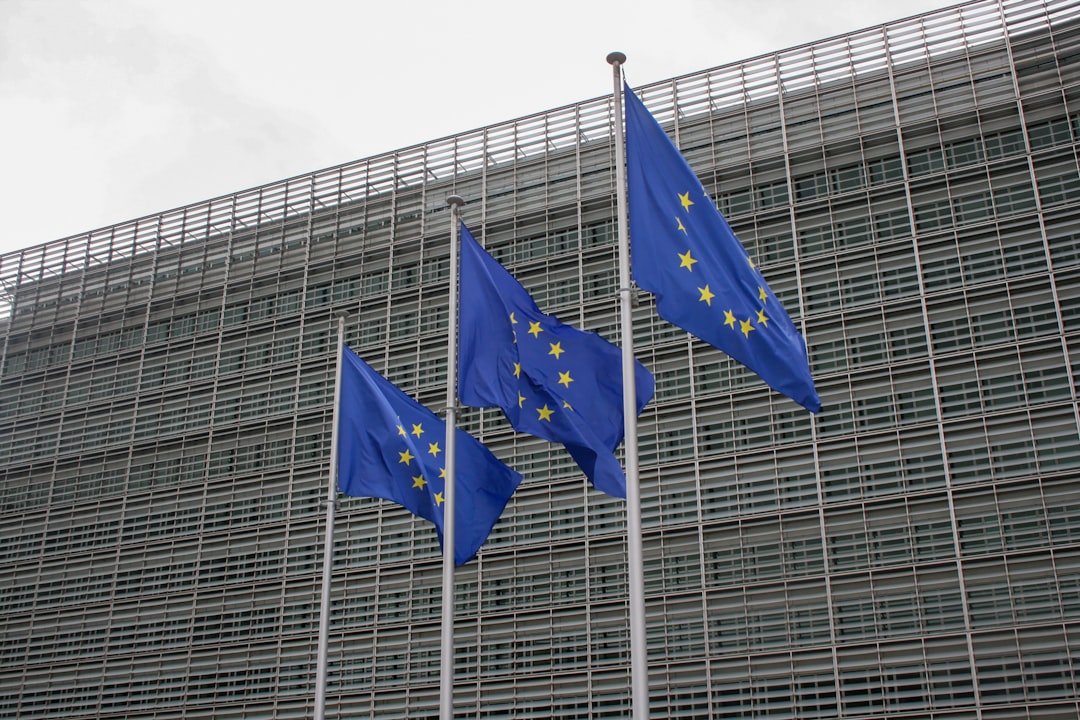
The European Union approved a €90 billion loan package for Ukraine and expanded sanctions on Russia early Wednesday after Hungary unexpectedly lifted its months-long veto, marking a significant shift in the bloc's support for Kyiv as the war enters its third year.
The agreement, reached after marathon negotiations in Brussels, represents the largest single financial commitment to Ukraine since the war began and will provide Kyiv with crucial resources to sustain its economy and military operations through 2027.
Hungary's decision to drop its opposition came after the EU agreed to modify sanctions implementation in ways that address Budapest's concerns about energy security, according to three diplomatic sources familiar with the negotiations. The exact terms remain confidential, but sources indicate Hungary secured guarantees regarding natural gas supplies and exemptions for certain transactions.
Hungarian Prime Minister Viktor Orbán, who had previously called the sanctions "economic suicide," characterized the agreement as a "realistic compromise that protects Hungarian interests." His reversal reflects both mounting pressure from other EU capitals and what analysts describe as a tactical calculation that continued obstruction had become politically untenable.
To understand today's headlines, we must look at yesterday's decisions. Hungary has been the EU's most consistent obstacle to unified action on Ukraine, using its veto power to block or delay multiple sanctions packages and aid measures since February 2022. Orbán's close relationship with Russia's Vladimir Putin had made him an outlier within the bloc.