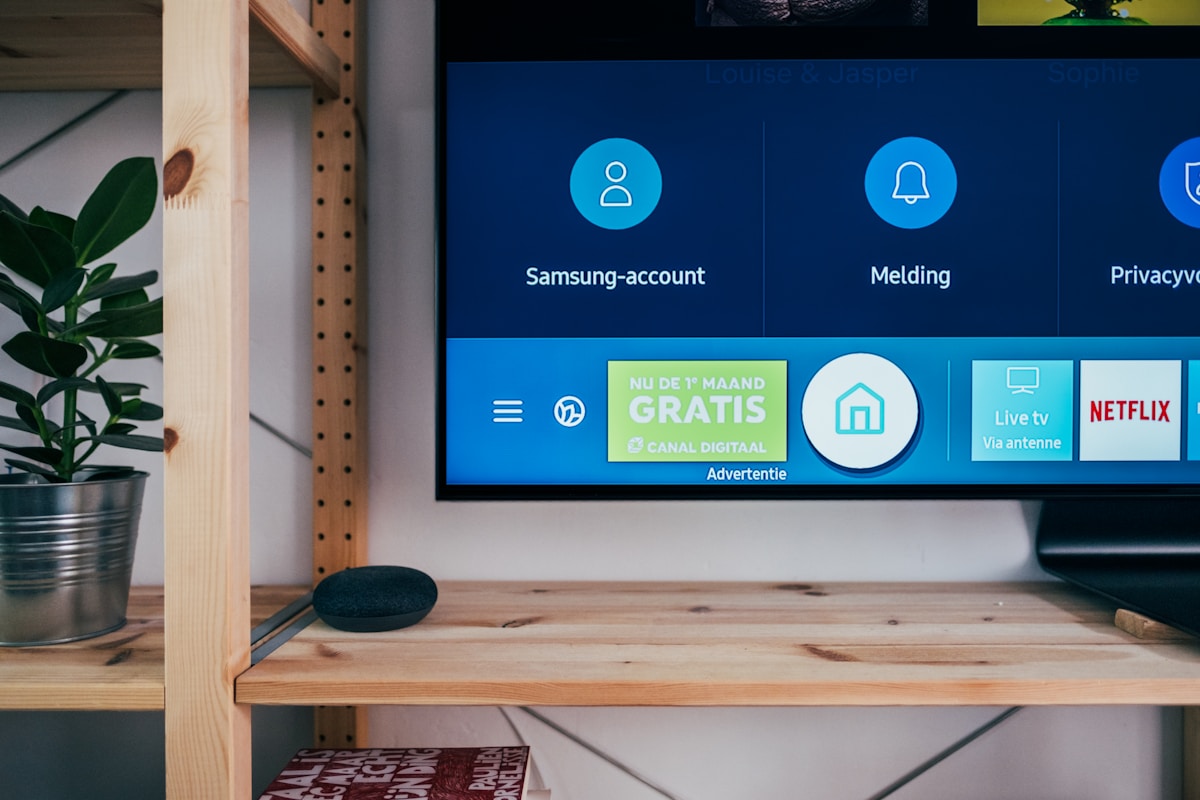
Roku and TCL are facing a lawsuit alleging that software updates bricked expensive smart TVs, rendering them unusable and leaving customers with no recourse.
This is the dark side of the "smart" everything movement. You don't actually own your TV - you license the software that runs it. And when the manufacturer decides to push an update, your $1,000 device can become a brick overnight.
The lawsuit claims that both companies pushed software updates that caused widespread failures across multiple TV models. Affected customers report screens that won't turn on, systems that endlessly boot-loop, or displays that show error messages but won't load any content.
What makes this particularly frustrating is that many of these TVs were functioning perfectly fine before the update. This isn't hardware failure - it's software failure pushed remotely by the manufacturer.
The legal theory is interesting. Plaintiffs argue that when you buy a TV, you have a reasonable expectation that it will continue functioning. Pushing a mandatory update that bricks the device could constitute breach of warranty or even negligent product design.
Roku's business model relies heavily on post-purchase software control. They make money from advertising and content partnerships, not just hardware sales. That creates an incentive to keep pushing new features and updates, even if older hardware struggles to support them.
One Reddit user described their experience: "Updated my Roku TV before bed. Next morning it wouldn't turn on. Tech support said they couldn't help. $800 down the drain."
This is a broader issue in consumer technology. Companies love the idea of devices that can be "improved" through software updates. But they rarely talk about the risks: updates that fail, updates that slow down older hardware, or updates that fundamentally break functionality you relied on.
The right to repair movement has highlighted these issues, but smart TVs are particularly vulnerable. Unlike phones or computers, there's rarely a way to roll back to a previous software version or install third-party firmware. If Roku's update breaks your TV, you're at Roku's mercy.
Both Roku and TCL have declined to comment on the lawsuit. Industry observers note that similar class actions have been filed against other smart TV manufacturers, suggesting this is a systemic issue rather than isolated incidents.