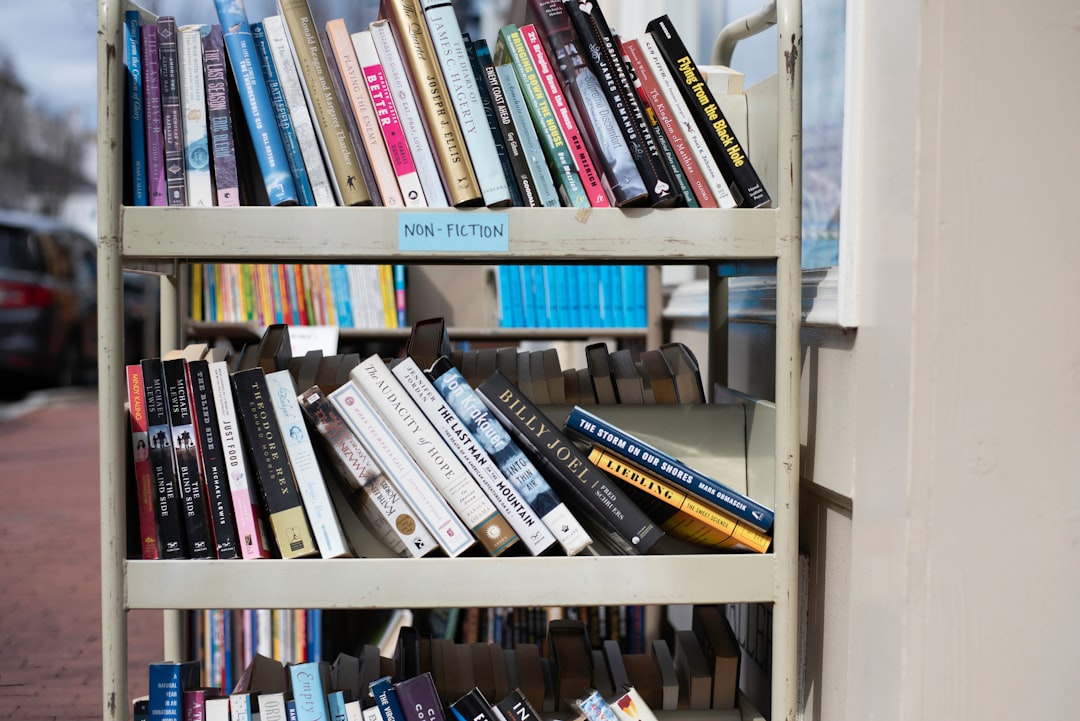
This is where the rubber meets the road for AI content. It's one thing for AI generators to exist. It's another for major retailers to decide they'll stock the output. Barnes & Noble CEO James Daunt says the bookstore chain will sell AI-generated books, arguing that quality matters more than authorship method.
That's a significant endorsement from a major retail gatekeeper in an industry that has been deeply skeptical of machine-generated work. Publishing has strong traditions around authorship, craft, and the human creative process. Daunt's position suggests those traditions may not survive contact with commercial reality.
According to The Independent, Daunt emphasized quality as the determining factor. Barnes & Noble will stock AI-written books if they meet the chain's standards. The implicit argument is that good writing is good writing, regardless of whether a human or an algorithm produced it.
That position sounds reasonable on its face. But it glosses over some fundamental questions: What quality standards is Daunt actually applying? Can bookstores realistically distinguish between AI slop and AI-assisted creative work? And does the method of creation matter if the output is indistinguishable from human writing?
The AI-generated book market is already flooded with low-quality content, particularly on platforms like Amazon's Kindle Direct Publishing. These books often use AI to rapidly generate text on trending topics, prioritizing volume over quality. They're designed to game algorithms and capture search traffic, not to provide genuine value to readers.
The concern isn't that AI can't produce readable text—it demonstrably can. The concern is that removing human editorial judgment from the process tends to produce generic, derivative content that mimics the surface features of good writing without the underlying substance. It's the literary equivalent of empty calories.
Daunt suggests Barnes & Noble will apply quality filters. But publishing is already struggling to evaluate the flood of AI-assisted submissions. Authors are using AI tools throughout the writing process, from outlining to drafting to editing. Determining where human creativity ends and AI assistance begins is increasingly difficult.
There's also the economic question. If Barnes & Noble stocks AI-generated books that are "good enough," what happens to human authors whose books are replaced on limited shelf space? Physical bookstores have finite room. Every AI-generated book on the shelf is a human-authored book that isn't.
The counterargument is that AI tools can democratize publishing by helping people who have stories to tell but lack technical writing skills. That's genuinely valuable. A teacher using AI to help write a children's book about their classroom experiences, for example, might produce something meaningful that wouldn't exist otherwise.
But that scenario is different from commercial operations using AI to mass-produce content for profit. The former is a creative tool expanding access. The latter is automation replacing human labor in creative fields. Daunt's policy doesn't distinguish between these uses.
What's particularly interesting is the timing. Barnes & Noble has fought hard to survive in an era dominated by Amazon and digital reading. The chain has positioned itself as a champion of physical books, the bookstore experience, and curated selection. Embracing AI-generated content seems to cut against that positioning.
Unless the calculation is that AI-generated books will be profitable enough to subsidize stocking human-authored works with lower margins. That would be grimly ironic: the bookstore survives by selling AI content, using those profits to maintain a boutique selection of human creativity.
The practical implementation will matter enormously. Will Barnes & Noble label AI-generated books so customers know what they're buying? Will they segregate AI content or integrate it with human-authored works? Will they apply different standards or treat all books the same?
Daunt hasn't provided those details. The announcement feels like a statement of openness without commitment to specifics. That's probably deliberate—stake out a position without the constraints of concrete policy.
For authors, this is one more signal that the publishing industry is willing to treat AI-generated content as legitimate. For readers, it means being more careful about what they're buying, assuming retailers don't clearly label AI authorship. For Barnes & Noble, it's a bet that quality filtering will prevent the store from being overrun with AI slop.
Time will tell if that bet pays off. But the decision to stock AI-generated books is made. The experiment is running.