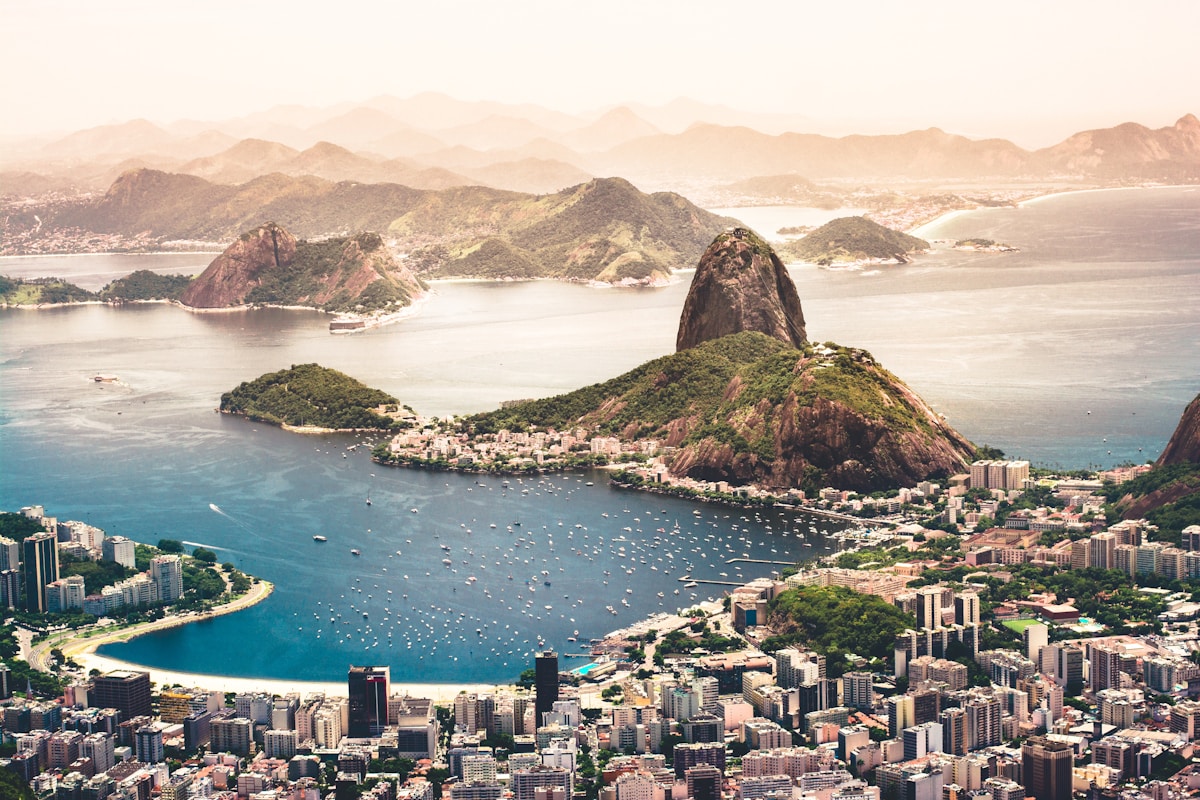
The postcard images of Rio de Janeiro promise pristine beaches framed by dramatic mountains, but travelers are increasingly reporting a jarring disconnect between expectation and reality.
A recent trip report on r/travel has sparked intense discussion about the state of tourism in Brazil's most famous city. The traveler, visiting for an anniversary celebration, documented pervasive litter on Copacabana and Ipanema beaches, safety issues even in supposedly secure zones, and aggressive scamming at beachfront establishments.
The complaints aren't isolated. "The beach itself was dirty, both tourists and locals who sell everything from Bluetooth speakers, to jewelry, to drinks and food couldn't care less where the leftovers and containers end up," the traveler wrote. The post describes garbage scattered across the sand and human waste on sidewalks in tourist areas.
Safety concerns dominated the experience. The couple was "basically chased after by a couple of scary looking young men" in broad daylight on Atlantic Avenue, forcing them to seek help from military police. This occurred in what guidebooks classify as the safe part of the city.
Restaurant scams added to the frustration. At a beachfront establishment, the couple was overcharged 30 reais—and commenters noted they were "lucky" not to face worse. Reviews of similar venues show systematic overcharging of tourists, with bills sometimes doubling the menu prices.
"People were not exactly warm as I was expecting. In fact they only warmed up when they were trying to get me to part from my money," the traveler observed.
The discussion reflects a broader tension in South American tourism. Rio faces challenges common to many bucket-list cities: infrastructure struggling under tourism pressure, inequality creating visible poverty alongside luxury hotels, and local resentment toward visitors driving up costs.
Commenters offered perspective. Several longtime visitors noted that Rio has always required street smarts and realistic expectations. Others pointed to Brazil's economic challenges and noted that tourism quality has declined as budget constraints limit public services and beach maintenance.