Morocco in July isn't for everyone—but if you're committed to going, here's what actually fits in a 32L pack when you're dealing with 100°F+ temperatures, conservative dress codes, and diverse climates from Sahara to Atlantic coast.
A traveler planning a 7-day Morocco trip from July 9-15 posted a detailed gear list on r/onebag, seeking advice on packing for extreme conditions while carrying camera equipment for work shoots. The 19 responses reveal what onebagging in North African summer actually requires.
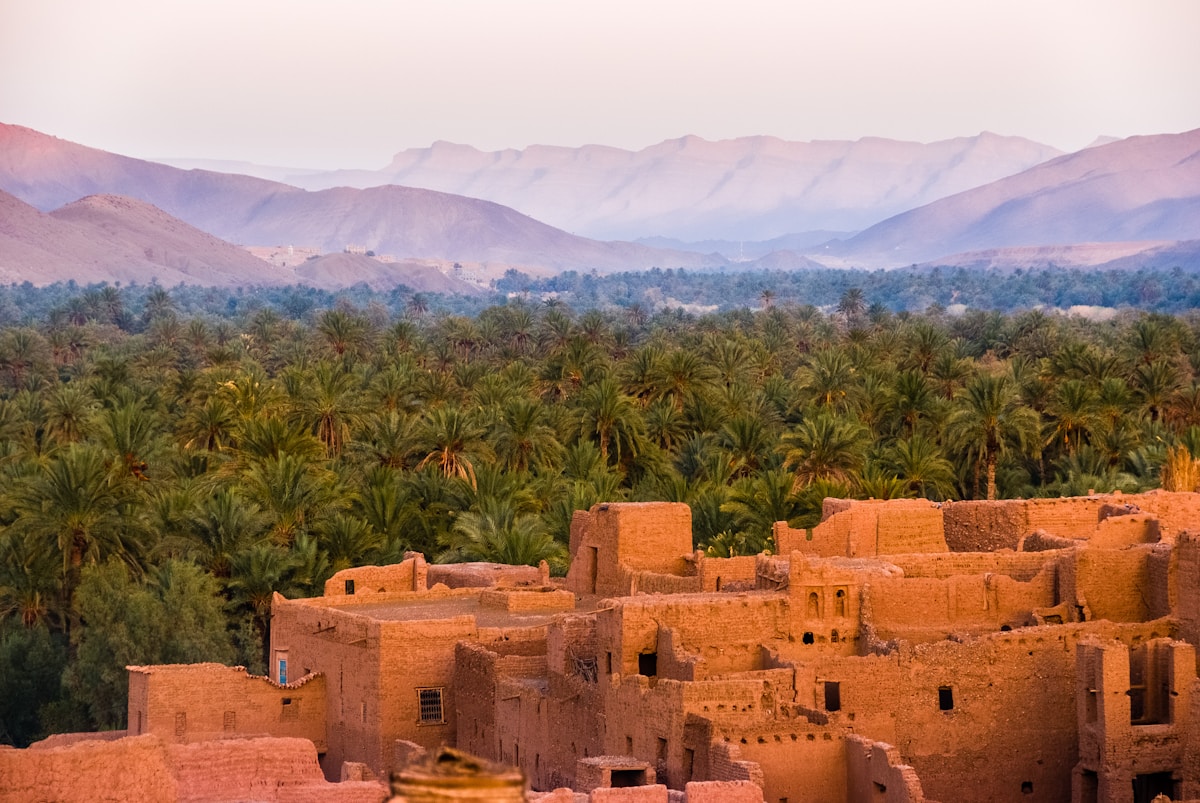
The itinerary spans Marrakesh, Aroumd (overnight in the Atlas Mountains), desert areas, and Essaouira on the coast—a temperature range potentially spanning 50+ degrees Fahrenheit depending on time of day and location.
The clothing strategy focuses on quick-dry technical fabrics and conservative coverage. The packing list includes two pairs of Wrangler All Terrain cargo pants, two quick-dry athletic shorts, multiple Uniqlo Airism tees, a Columbia fishing shirt, and a sun hoodie. This represents the minimum wardrobe for a week with daily sink laundry.
The conservative dress consideration matters more than some Western travelers anticipate. While Morocco welcomes tourists and doesn't enforce dress codes for non-Muslims, covering shoulders and knees reduces unwanted attention and shows cultural respect. The sun hoodie serves double duty: modest coverage and UV protection.
Footwear choices balance heat management with walking demands. New Balance sneakers for travel days, Chacos Z/1 sandals for general wear, and two packable sun hats. Several commenters questioned whether closed-toe shoes are necessary in July heat—sandals handle most situations unless serious hiking is planned.
The camera gear creates the primary packing challenge. A Canon EOS R with RF 24-105mm f/4L lens, four batteries, charger, and accessories consume significant pack space. This professional equipment leaves less room for clothing and comfort items than typical onebagging allows.
Multiple commenters suggested evaluating whether all four camera batteries are necessary. Unless shooting all day every day in remote areas without charging access, two batteries typically suffice. Each battery saved creates space for an extra shirt or comfort item.