The question appears in travel forums with predictable regularity, phrased with varying degrees of anxiety: "Am I too old for hostels?"
A 32-year-old planning their first backpacking trip since age 18 posted exactly this concern on r/backpacking. "I am getting ready to backpack through Europe for a couple months and am planning on staying in hostels…am I going to be the oldest person there?"
The three responses and dozens of similar threads across travel forums reveal that age anxiety in hostel culture reflects broader questions about who belongs in budget travel spaces and whether the backpacker scene has shifted since the pre-pandemic era.
The short answer: no, you won't be the oldest person in European hostels at 32.
Hostel demographics have diversified significantly over the past decade. While the core audience remains 18-25 year-olds on gap years, post-graduation trips, and summer breaks, hostels increasingly attract travelers across age ranges.
Commenters noted seeing regular hostel guests in their 30s, 40s, and even 50s. Solo travelers, career-breakers, and budget-conscious travelers of all ages choose hostels for cost savings, social opportunities, and central locations.
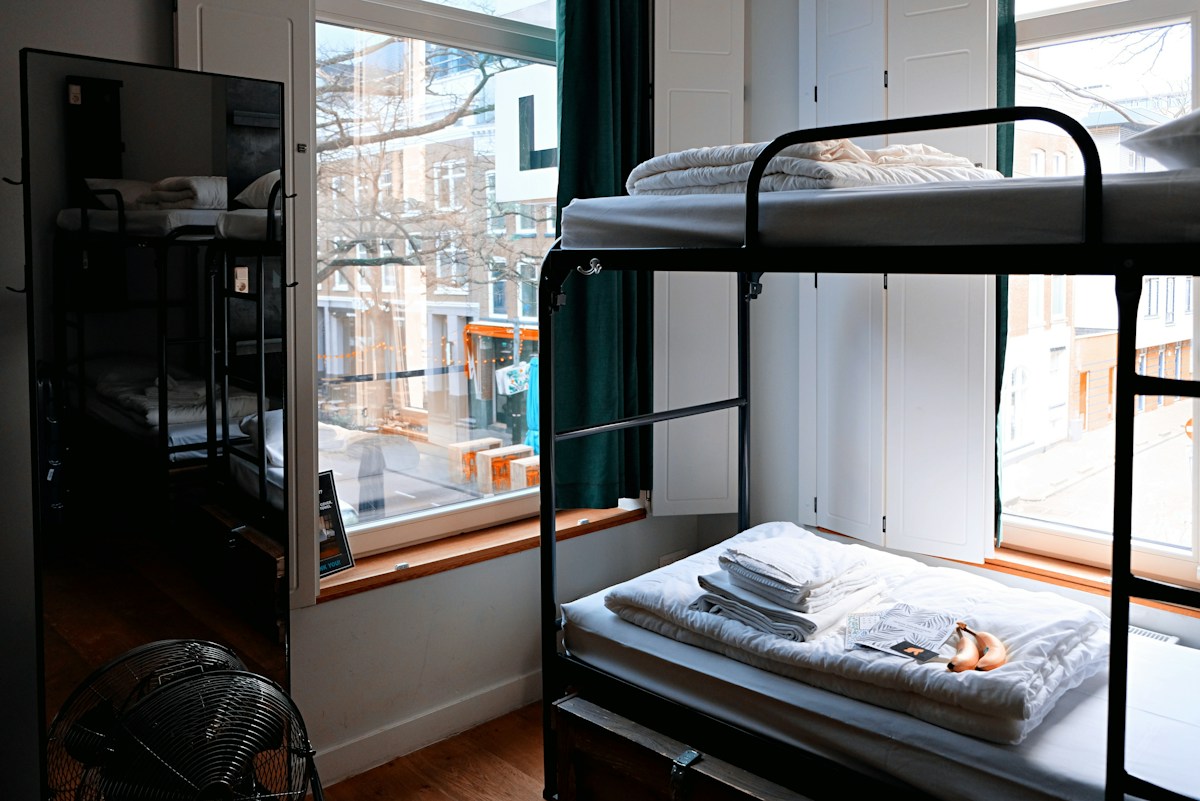
The pandemic accelerated this demographic shift. Many hostels eliminated large dorm rooms in favor of smaller 4-6 bed configurations or private rooms with hostel amenities. This attracts older travelers who want social atmosphere and budget prices without sleeping in a 12-bed dorm full of teenagers.
But age dynamics vary significantly by hostel type and location. Party hostels in Amsterdam, Prague, and Barcelona skew heavily toward young travelers looking for nightlife access. These establishments actively cultivate the 18-22 demographic through bar crawl partnerships and all-night common areas.
Quieter hostels focusing on location, cleanliness, and facilities rather than party atmosphere attract broader age ranges. Chain hostels like Generator, St Christopher's, and Safestay see more demographic diversity than independent party-focused establishments.
Location within cities matters too. Hostels in central tourist areas draw younger budget travelers. Hostels in residential neighborhoods or near train stations tend to attract older, more independent travelers.