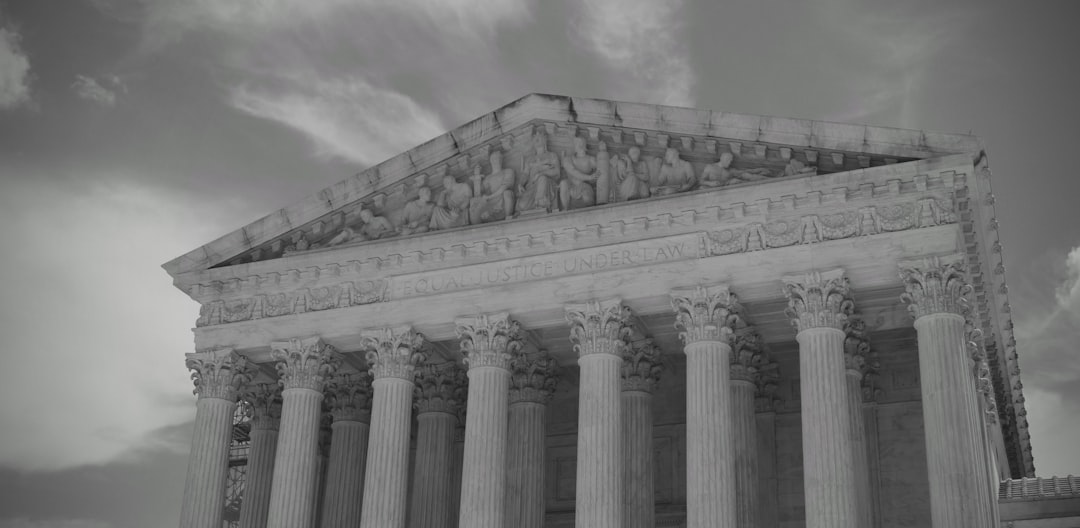
Nearly 150 retired federal and state judges filed an amicus brief supporting Anthropic in its lawsuit against the Pentagon. This is an unusual coalition of judicial voices weighing in on what appears to be a major conflict between an AI company and the Department of Defense. The story here isn't just the lawsuit - it's what convinced this many former judges to take a public stand.
When 150 judges - people who've spent careers being deliberately apolitical - file a brief together, something significant is happening. Judges, particularly federal judges, are notoriously cautious about public statements. They cultivate neutrality. They avoid taking positions on controversial issues. For nearly 150 of them to collectively support one side in a legal dispute is extraordinary.
The lawsuit itself involves Anthropic, the AI safety company founded by former OpenAI researchers, and the Pentagon. While the specific details of the dispute haven't been fully publicized, it appears to center on government demands related to Anthropic's AI models and the company's refusal to comply with certain requirements.
What did the judges say in their brief? According to CNN, the amicus filing emphasizes the importance of preserving AI development that prioritizes safety and transparency, and expresses concern about government overreach that could compromise those principles.
This is where it gets interesting. Former judges aren't typically concerned with the business disputes of tech companies. What seems to have motivated them is the broader principle at stake: whether the government can compel AI companies to modify their models or provide access in ways that could undermine safety research.
Anthropic has built its reputation on AI safety. The company was founded specifically because the leadership team had concerns about the direction of AI development at OpenAI. They've published extensive research on constitutional AI, interpretability, and alignment. Their stated mission is to build AI systems that are safe and beneficial.
If the Pentagon is demanding access or modifications that conflict with that mission, it creates a fundamental tension: do private companies have the right to prioritize safety research over government demands? Or does national security override those concerns?
The judges' brief appears to argue for the former. The fact that it's coming from retired judges rather than active ones makes sense - active judges need to maintain impartiality in case related issues come before their courts. But retired judges have the credibility of judicial experience without the constraints of active service.
What makes this particularly notable is the bipartisan nature of the coalition. The brief includes judges appointed by presidents from both parties, spanning decades of federal and state service. This isn't a partisan political statement; it's a legal and ethical stance from people who understand constitutional principles.
The timing is also significant. We're in a period where the relationship between AI companies and government is being actively negotiated. The Biden administration issued executive orders on AI safety. Congress is considering AI regulation. The Pentagon is rapidly expanding its use of AI systems. The rules of engagement are being written right now.
Anthropic's lawsuit - and the judges' support - could set important precedents about where the boundaries lie. Can the government compel AI companies to provide model access? Can they demand that safety features be disabled or modified? Can they require companies to prioritize government use cases over safety research?
These aren't abstract questions. As AI systems become more powerful, the tension between safety research and government demands will intensify. Every major AI lab will face similar pressures. How Anthropic's case resolves could determine how those tensions play out.
From a purely legal standpoint, having 150 former judges support your position is a powerful signal. Courts pay attention to amicus briefs, particularly ones filed by people with judicial experience. It's a signal that serious legal minds think Anthropic has the stronger argument.
But the broader significance is about norms and principles. In a domain where most of the rules don't exist yet, having influential voices establish what the norms should be matters. The judges are essentially saying: AI safety research is valuable, companies that prioritize it should be supported, and government overreach that undermines safety is concerning.
I don't know how this lawsuit will resolve. The legal details matter, and we don't have all of them. But the fact that 150 former judges felt compelled to weigh in tells you something important about the stakes.
This isn't just a business dispute between a tech company and the government. It's a question about what principles will govern AI development in an era where these systems are becoming critically important infrastructure.
The technology is powerful. The question is who gets to decide how it's governed, and according to what principles. 150 judges just weighed in. That's not nothing.