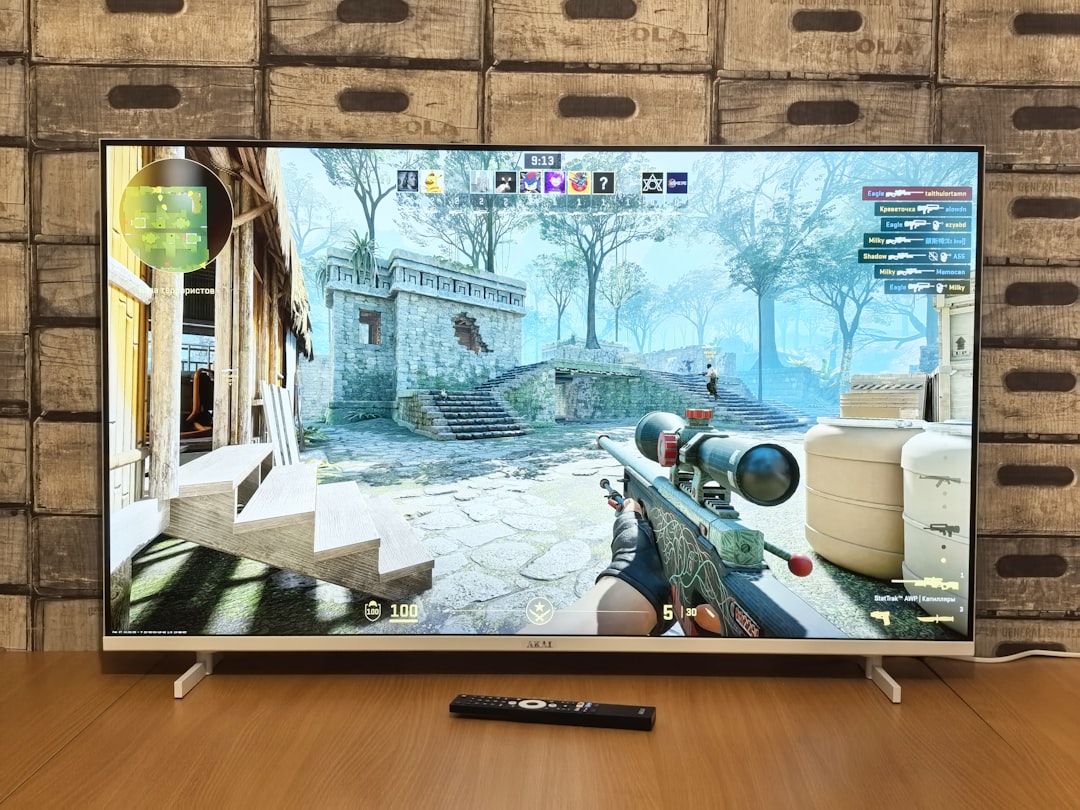
Gamers are revolting against Nvidia's DLSS 5, calling it an 'AI slop filter' that replaces real rendering with AI-generated imagery. This isn't about frame rates anymore - it's about whether we're actually playing a game or watching an AI hallucinate what it thinks the game should look like.
For context, DLSS (Deep Learning Super Sampling) has been around since 2019. The original concept was clever: use AI to upscale lower-resolution images to higher resolution, giving you better performance without sacrificing visual quality. It worked. Gamers loved it. Nvidia iterated on the technology, and each version got better.
DLSS 5 is different. Instead of just upscaling existing frames, it's generating new frames based on what the AI thinks should be there. The technology is called frame generation, and it's impressive from a technical standpoint. The AI analyzes motion, predicts where objects should be in the next frame, and synthesizes entirely new imagery.
The problem? Gamers can tell.
The backlash has been immediate and harsh. Gaming forums are filled with side-by-side comparisons showing DLSS 5 generating artifacts, hallucinating details that don't exist, and producing imagery that looks 'wrong' in ways that are hard to articulate but immediately obvious to anyone who plays games regularly.
The term 'AI slop' comes from the broader discourse around AI-generated content - low-quality, algorithmically-produced material that floods platforms because it's cheap to create. Gamers are arguing that DLSS 5 is bringing that aesthetic to real-time rendering.
Here's what Nvidia got wrong: they assumed that if the technology produces more frames per second and the average metrics look good, gamers would accept it. What they missed is that gaming communities are incredibly attuned to authenticity. When you spend hundreds of hours in a game, you develop an intuitive sense of how it should look and feel. AI-generated frames, no matter how technically impressive, break that intuition.
The examples circulating online are telling. In fast-paced games, DLSS 5 sometimes generates phantom objects - things that should have moved out of frame but linger as AI hallucinations. In detailed environments, textures get 'smoothed' in ways that make them look less real, not more. In competitive games, players are reporting that AI-generated frames create uncertainty about whether what they're seeing actually exists in the game world.
This is the uncanny valley for rendering. The AI is good enough to look almost right, but not quite right enough to be convincing. And in gaming, where split-second decisions matter and immersion is everything, 'almost right' is worse than simply lower fidelity.
Nvidia's response has been to point to benchmarks showing higher frame rates and argue that the technology is objectively better. But that's missing the point. Nobody is arguing that DLSS 5 doesn't produce more frames. They're arguing that those frames aren't real.
I've been watching AI image generation for years, and this feels like the moment where it crashes into a community that actually cares about authenticity. Most AI-generated images are consumed passively - you scroll past them on social media, they illustrate articles, they show up in search results. You don't interact with them; you just glance and move on.
Gaming is different. Gamers are actively engaged with the imagery, making decisions based on what they see, developing muscle memory around how the game responds. When the AI starts generating frames that don't match the actual game state, it breaks the fundamental contract between player and game.
What makes this particularly interesting is that Nvidia has the technical chops to probably fix these issues eventually. The AI will get better at generating convincing frames. The artifacts will become rarer. The hallucinations will decrease. But that might not matter if they've already lost the community's trust.
The broader lesson here is about the limits of 'better metrics' as a justification for AI. You can benchmark performance. You can measure frame rates. You can calculate upscaling accuracy. But you can't benchmark whether something feels real, and in gaming, that feeling is everything.
The technology works. The question is whether this is what anyone wanted. Based on the backlash, the answer appears to be no.
Nvidia built a technically impressive AI system that solves a problem most gamers didn't have, introduces issues they didn't want, and delivers improvements that don't feel like improvements. That's the textbook definition of innovation without understanding the user.
The 'AI slop filter' label is harsh. It's also probably going to stick.