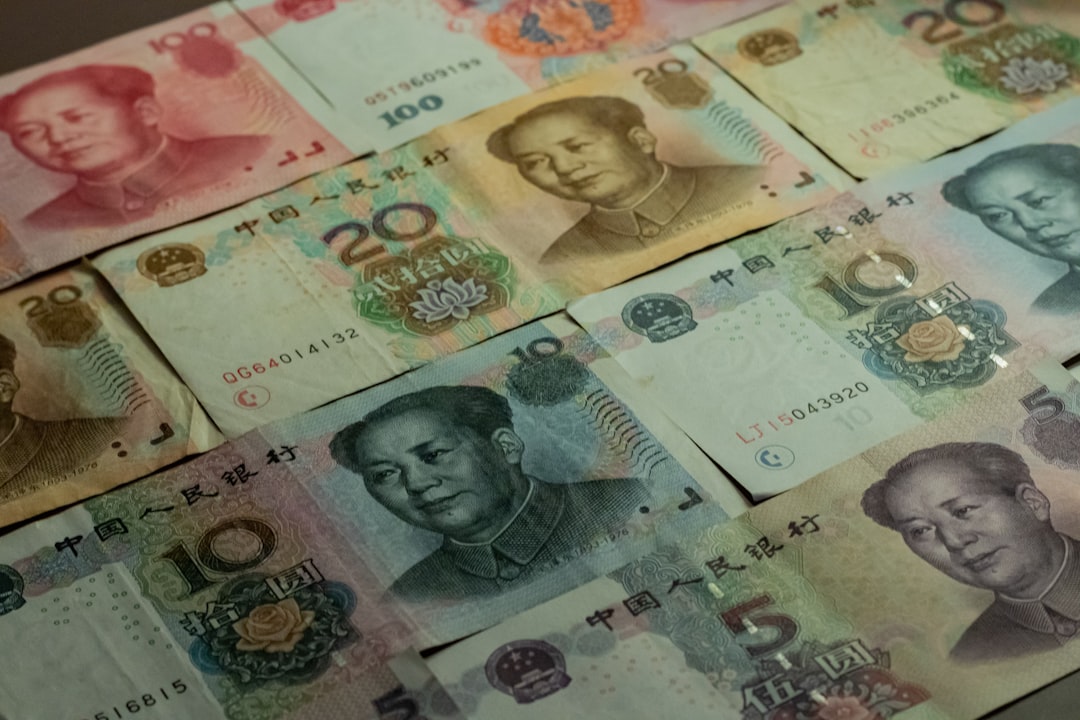
The Reserve Bank of Australia's deputy governor has warned that stagflation represents a 'central banker's nightmare,' according to the ABC, signaling serious concerns about Australia's economic trajectory amid global uncertainty and domestic pressures.
Stagflation talk from the RBA is significant—it's the worst of both worlds for Australian households already squeezed by cost of living. And this has implications for the Pacific too, as Australia's economic health affects aid and regional investment.
Stagflation combines stagnant economic growth with persistent inflation—a toxic combination that leaves central banks with no good policy options. Raising interest rates to fight inflation risks deepening the economic slowdown. Cutting rates to stimulate growth risks letting inflation run out of control.
RBA Deputy Governor Andrew Hauser made the comments during a speech addressing global economic uncertainty, highlighting the challenges facing monetary policymakers worldwide. With Middle East conflicts driving energy prices higher, supply chain disruptions persisting, and domestic cost pressures remaining elevated, the risk of stagflation has increased.
For Australia, the concern is particularly acute. The economy is already showing signs of weakness—consumer spending is soft, business investment is cautious, and unemployment is creeping higher. Meanwhile, inflation remains above the RBA's target range, driven by energy costs, housing pressures, and wage growth.
Mate, if you're an Australian household right now, you're dealing with higher grocery bills, higher fuel costs, higher mortgage payments, and weaker job prospects. That's stagflation in practice, regardless of what economists want to call it.
The RBA has limited room to maneuver. Interest rates are already elevated after aggressive tightening to combat post-pandemic inflation. Further rate increases would hit mortgage holders hard and risk tipping the economy into recession. But cutting rates while inflation persists would undermine the RBA's credibility and potentially entrench inflation expectations.
The global context doesn't help. The Iran war is disrupting energy markets, sending oil prices higher. China's economic slowdown is reducing demand for Australian exports, particularly commodities. Trade tensions between major economies create uncertainty that deters investment. These are headwinds the RBA can't control through monetary policy alone.
There's also a political dimension. With a federal election looming, economic management will be a central campaign issue. If voters are experiencing stagflation conditions—stagnant wages, rising costs, weak job markets—the government will face a difficult election. The opposition will argue for policy changes, but what those changes should be isn't obvious when the problem is stagflation.
For the Pacific region, Australia's economic health matters significantly. Australia is the largest aid donor and investment partner for many Pacific Island nations. If Canberra faces fiscal pressures due to stagflation, there may be pressure to cut foreign aid budgets. That creates an opportunity for China to expand its economic presence in the Pacific.
Australia's currency is also weakening against major currencies as growth slows. For Pacific Island nations that import goods priced in US dollars, a weaker Australian dollar means Australia's aid delivers less purchasing power. It also makes Australia exports more competitive, but that's cold comfort for island nations dealing with their own inflation pressures.
The RBA's stagflation warning also highlights the limits of monetary policy in addressing structural economic challenges. Australia faces productivity growth problems, housing supply shortages, energy transition challenges, and demographic aging. These require long-term policy reforms, not just interest rate adjustments.
The deputy governor's comments are a reality check for anyone expecting a quick return to the low-inflation, steady-growth conditions of the pre-pandemic era. The global economy has changed, and Australia—despite its resource wealth and generally sound institutions—isn't immune to those changes.
For policymakers, the task is navigating this difficult period without letting either inflation or economic weakness spiral out of control. For Australian households, it means continued financial pressure with uncertain prospects for relief. And for the Pacific, it means watching to see whether Australia's economic challenges affect its capacity and willingness to remain engaged in the region.