
President Cyril Ramaphosa has reaffirmed his commitment to implementing South Africa's National Health Insurance (NHI) scheme despite mounting legal challenges and conspicuous silence from the National Treasury on funding mechanisms.
The Constitutional Court is scheduled to hear challenges to the NHI Act in May 2026, with medical schemes, private healthcare providers, and civil society organizations arguing the legislation violates property rights and exceeds constitutional authority. The outcome could fundamentally reshape—or halt—South Africa's most ambitious social policy initiative since democracy.
Speaking at a public health forum in Pretoria, Ramaphosa described NHI as "non-negotiable" for achieving health equity in a society still scarred by apartheid-era disparities. "Every South African deserves quality healthcare regardless of their ability to pay," he declared, invoking the constitutional right to health services.
Yet the gap between vision and fiscal reality remains glaring. The National Treasury has not released cost estimates for full NHI implementation, nor has it detailed how the scheme would be funded amid constrained government budgets. Independent analysts project costs could exceed R200 billion annually—roughly double current public health spending.
In South Africa, as across post-conflict societies, the journey from apartheid to true equality requires generations—and constant vigilance. NHI represents an attempt to address one of the starkest legacies of that system: a two-tier health system where the wealthy access world-class private care while the majority rely on underfunded public facilities.
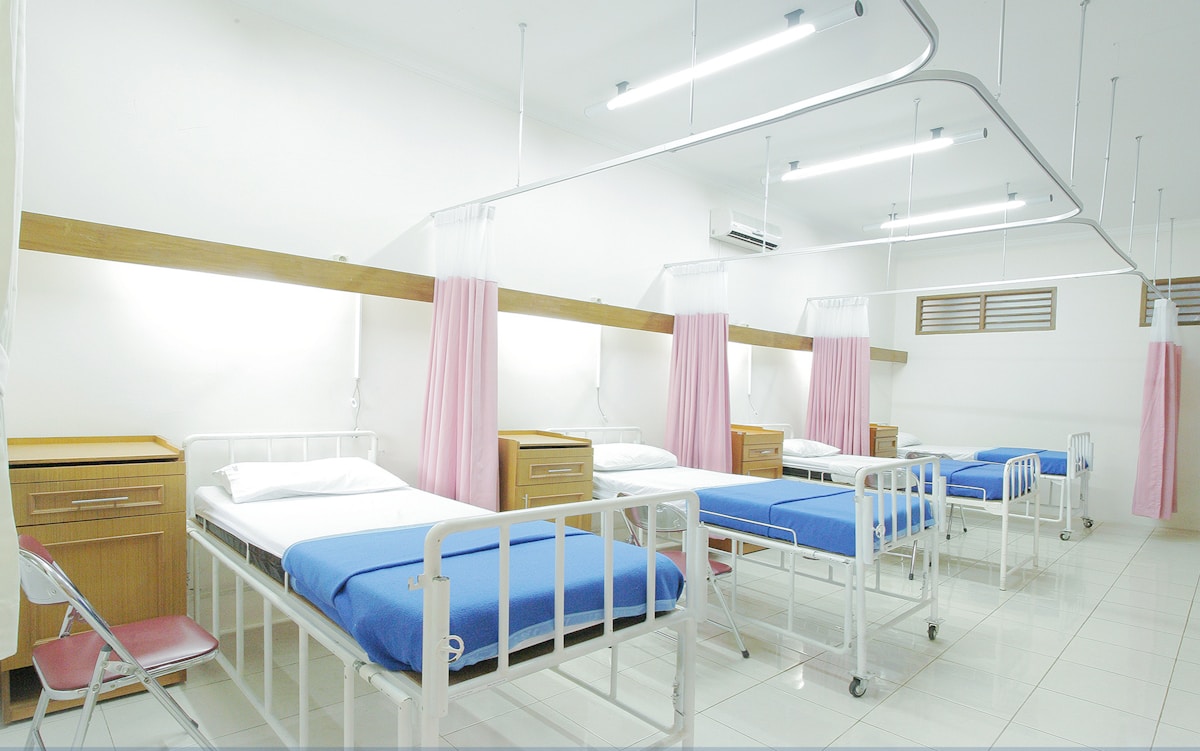
The current system sees approximately 16% of South Africa's population with private medical insurance consuming nearly half of total health expenditure, while 84% depend on public services that suffer from infrastructure decay, staff shortages, and supply chain failures. Life expectancy and health outcomes vary dramatically by income and geography.
NHI aims to create a single, tax-funded system providing comprehensive coverage to all citizens. The model draws inspiration from 's National Health Service and similar universal health systems, though 's fiscal constraints and implementation capacity present unique challenges.