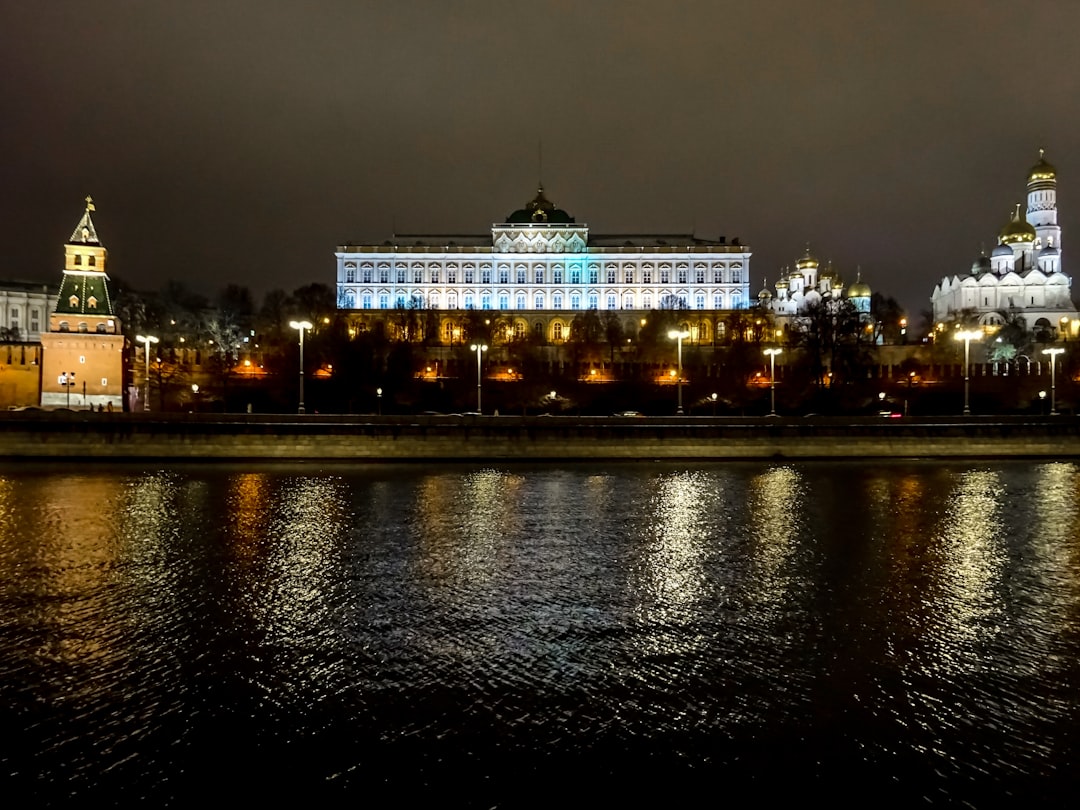
Russian President Vladimir Putin praised Iran's "resistance to U.S. pressure" during a Moscow meeting with Iranian Foreign Minister Abbas Araqchi, according to Reuters, as the Russia-Iran axis solidifies amid the U.S. naval blockade at the Strait of Hormuz.
The meeting comes at a critical moment, with Tehran facing its most severe confrontation with Washington since the 1979 Islamic Revolution. U.S. naval forces have turned back Iranian oil tankers in recent days, disrupting global energy markets and raising fears of military escalation in the Persian Gulf.
Putin's public support for Iran signals Moscow's willingness to challenge U.S. actions in the Middle East, even at the risk of further antagonizing Washington. The Russian president has pledged that Moscow wants "peace soon," though it remains unclear what diplomatic or material support Russia might provide to Tehran during the crisis.
To understand today's headlines, we must look at yesterday's decisions. Russia and Iran have deepened their partnership significantly since Moscow's 2022 invasion of Ukraine. Tehran has supplied Russia with thousands of attack drones used against Ukrainian cities, while Moscow has provided advanced missile technology and diplomatic cover at the United Nations.
The relationship extends beyond military cooperation. Both nations face comprehensive Western sanctions and have developed workarounds to the dollar-dominated international financial system. They share interest in challenging what they view as American hegemony and have coordinated positions on issues ranging from Syria to energy markets.
What remains uncertain is how far Russia would go to support Iran in a direct military confrontation with the United States. Moscow has carefully avoided direct conflict with U.S. forces, even in Syria where both nations operate. Whether Putin would risk escalation by providing advanced air defense systems or intelligence support to help Iran counter the naval blockade represents a crucial unknown.
The meeting also highlights the emerging architecture of what some analysts call a new axis of revisionist powers. Russia, Iran, China, and North Korea have all deepened cooperation in recent years, united by opposition to the U.S.-led international order. Whether this coalition can sustain itself under pressure, or fractures when national interests diverge, will significantly shape 21st-century geopolitics.
For now, Putin's public embrace of Iran sends an unmistakable message: Moscow will not abandon Tehran to face American pressure alone. How that support manifests in practice could determine whether the Hormuz crisis remains a limited confrontation or escalates into something far more dangerous.