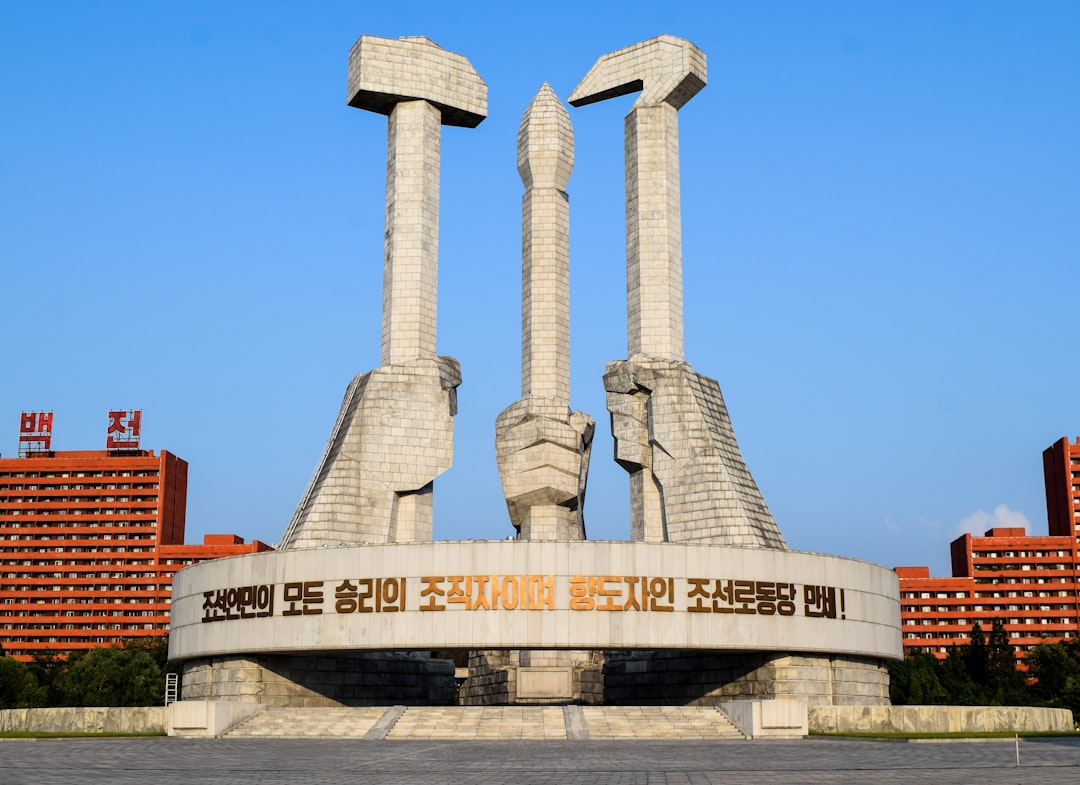
North Korea has opened a museum honoring soldiers killed while fighting for Russia in Ukraine, marking the first time the reclusive state has publicly commemorated casualties from a European war, according to the Kyiv Independent.
Russian Defense Minister Andrei Belousov visited Pyongyang to attend the museum's opening ceremony, formalizing a military partnership that has seen thousands of North Korean troops deployed to the Kursk region and other frontline areas. The museum represents Pyongyang's first official acknowledgment that its forces are fighting—and dying—in the conflict.
While exact casualty figures remain classified, Western intelligence agencies estimate that several hundred North Korean soldiers have been killed since deployments began in late 2024. The troops have primarily operated in support roles, though some have reportedly participated in offensive operations alongside Russian forces.
To understand today's headlines, we must look at yesterday's decisions. North Korea's involvement in the Ukraine war represents a dramatic internationalization of the conflict. Pyongyang has supplied Russia with millions of artillery rounds and ballistic missiles, but the deployment of ground forces marks a qualitative escalation in the partnership.
The museum opening serves multiple purposes for Kim Jong Un's regime. Domestically, it allows North Korea to honor fallen soldiers while reinforcing narratives about resisting Western imperialism. Internationally, it signals to Moscow that Pyongyang remains committed to the partnership despite mounting casualties.
Belousov's visit underscores the strategic importance Russia places on North Korean support. Moscow has faced severe manpower shortages throughout the war, and Pyongyang's willingness to deploy troops provides relief that few other nations can offer. In exchange, Russia has reportedly provided advanced military technology, including missile and submarine systems that could enhance North Korean capabilities.
The deployment of North Korean forces to Europe has historical echoes. During the Cold War, Cuban and Vietnamese troops fought in African conflicts, but North Korean soldiers have traditionally operated only on the Korean Peninsula or in limited advisory roles. Their participation in a major European war represents an unprecedented step.
Western officials have condemned the deployments as a violation of UN Security Council resolutions restricting military cooperation with Pyongyang. However, with Russia and China holding veto power, enforcement mechanisms remain limited. The partnership demonstrates how the Ukraine conflict has accelerated the breakdown of the post-Cold War international order.
Whether North Korea will expand its troop deployments, or scale them back if casualties mount, remains uncertain. For now, the museum in Pyongyang stands as a monument to how profoundly the Ukraine war has reshaped global alignments—bringing Asian autocracies into a European conflict in ways few predicted three years ago.