Iran's Supreme Court has upheld a death sentence for Mohammad Abbasi, arrested during January protests, and a 25-year prison term for his daughter Fatemeh Abbasi, according to Iran International, in a case that highlights the regime's internal repression amid the Strait of Hormuz crisis.
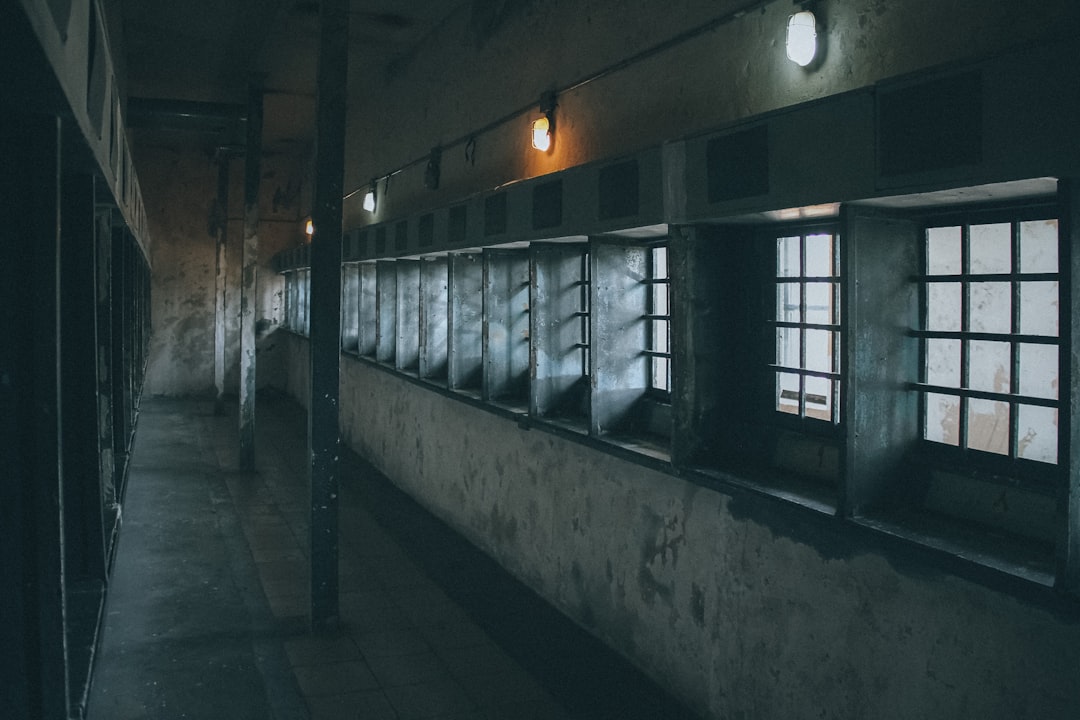
Mohammad Abbasi faces execution on charges of "collaborating with Israel and killing a law enforcement officer" during protests in Malard. His 34-year-old daughter, a mother of a 13-year-old girl, was sentenced for "complicity" in the case. Both are detained—Mohammad in Qezel Hesar prison near Karaj and Fatemeh in Tehran's notorious Evin prison.
According to sources, both detainees experienced severe pressure and torture during interrogations and were denied access to legal representation at all stages of the judicial process, including interrogation, prosecution, trial, and Supreme Court review. The initial sentences originated from Branch 15 of Tehran's Revolutionary Court, overseen by Judge Abolghasem Salavati, known for harsh rulings in protest-related cases.
To understand today's headlines, we must look at yesterday's decisions. The Abbasi case stems from protests that erupted across Iran in January, part of ongoing unrest that has periodically challenged the Islamic Republic since the 2022 death of Mahsa Amini in police custody. The regime has responded with mass arrests, harsh sentences, and public executions designed to deter further dissent.
The Supreme Court's affirmation represents the final step in Iran's judicial review process, leaving only a possible clemency decision by Supreme Leader Ali Khamenei to prevent Mohammad Abbasi's execution. Human rights organizations have documented hundreds of death sentences issued against protesters since 2022, though many have not been carried out amid international pressure.
The timing is significant. As Iran faces its most serious international confrontation in decades—with U.S. naval forces blockading the Strait of Hormuz—the regime appears determined to prevent domestic unrest from compounding its external challenges. Harsh sentences for protesters serve as warnings to Iranians who might otherwise view the crisis as an opportunity to challenge government authority.
However, the strategy carries risks. International attention focused on the Hormuz crisis could obscure the regime's domestic repression, or it could amplify criticism by demonstrating how Tehran prioritizes external confrontation while crushing internal dissent. Human rights organizations have called on the international community to maintain focus on Iran's treatment of protesters even amid geopolitical tensions.
For the Abbasi family, the Supreme Court ruling represents profound tragedy. A father faces execution and a daughter—herself a mother—faces 25 years in prison, accused of complicity in crimes human rights groups say likely never occurred. Their case illustrates how authoritarian regimes use judicial systems not to administer justice, but to eliminate perceived threats and intimidate populations into submission.
Whether international pressure can influence Iran's internal human rights practices while the regime faces external military threats remains uncertain. History suggests that besieged governments often become more repressive, viewing dissent as treasonous during national crises. The Abbasi family's fate may ultimately depend on whether the international community can maintain attention on individual cases amid the larger geopolitical drama.