Nigeria's chronic electricity crisis continues unabated in 2026, raising fundamental questions about the social contract between government and governed in Africa's most populous democracy. The persistent power failures test a question that confounds observers: why has there been no tipping point?
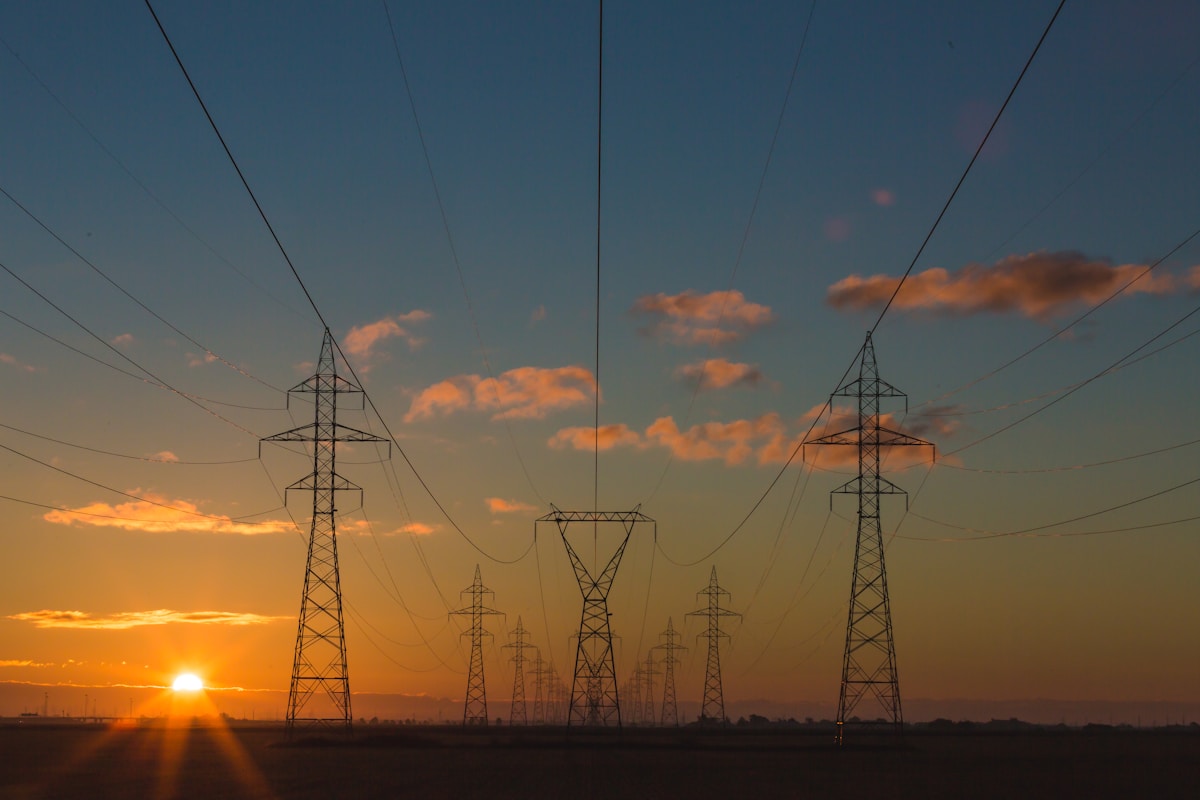
In Lagos, Abuja, and cities across the nation, Nigerians endure daily power outages that cripple businesses, force reliance on expensive diesel generators, and undermine quality of life. The infrastructure deficit is not new—it has persisted for decades—but its continuation into 2026 highlights systemic governance failures that extend far beyond the power sector.
The absence of reliable electricity in Africa's largest economy creates cascading effects. Businesses factor generator costs into operations, making Nigerian goods less competitive. Hospitals struggle to maintain cold chains for medicines and vaccines. Students study by candlelight or phone flashlight. Manufacturing capacity remains far below potential.
Yet despite these daily indignities, despite fuel subsidy removal that increased transportation costs, despite persistent inflation eroding purchasing power, Nigeria has not witnessed the mass protests or political upheaval seen in nations facing less severe conditions. This paradox—extreme hardship without corresponding political pressure—shapes how governments approach governance.
Political analysts point to several factors. Nigeria's federal structure disperses accountability across national, state, and local governments, making it difficult for citizens to identify who should fix what. Ethnic and religious divisions fragment potential opposition movements, as political mobilization often occurs along communal rather than class lines. And Nigeria's informal economy allows millions to survive outside formal employment, reducing the leverage of organized labor.
The power sector's failures are well-documented. Privatization of distribution companies in 2013 promised improvements that never materialized. Transmission infrastructure remains inadequate even when generation capacity exists. Electricity theft and non-payment by government agencies undermine the sector's financial viability. Regulatory capture and corruption prevent meaningful reform.
President Bola Tinubu's administration has announced various power sector initiatives, but Nigerians have heard similar promises from previous governments. Trust in political commitments to infrastructure improvement has eroded over decades of unmet pledges.
In Nigeria, as across Africa's giants, challenges are real but entrepreneurial energy and cultural creativity drive progress. Nigerian businesses adapt, innovating backup power solutions and building systems resilient to grid failures. The solar power industry grows rapidly as Nigerians invest in private generation. But private adaptation cannot replace public infrastructure—it merely reflects governance failure.
The question of why Nigerians endure such conditions without forcing change goes beyond electricity. It touches fundamental issues of political accountability, citizen expectations, and the mechanisms through which democratic societies translate dissatisfaction into policy change.
Some argue that Nigerian resilience reflects cultural strength and adaptability. Others see it differently: a population exhausted by decades of governance failures, lacking the institutional channels to demand better, and increasingly seeking individual rather than collective solutions.
The electricity crisis is not merely an infrastructure problem—it is a governance crisis that reveals how states can fail their citizens without facing political consequences. Until that changes, Nigeria's infrastructure deficit will persist, and the nation's immense potential will remain unfulfilled.