
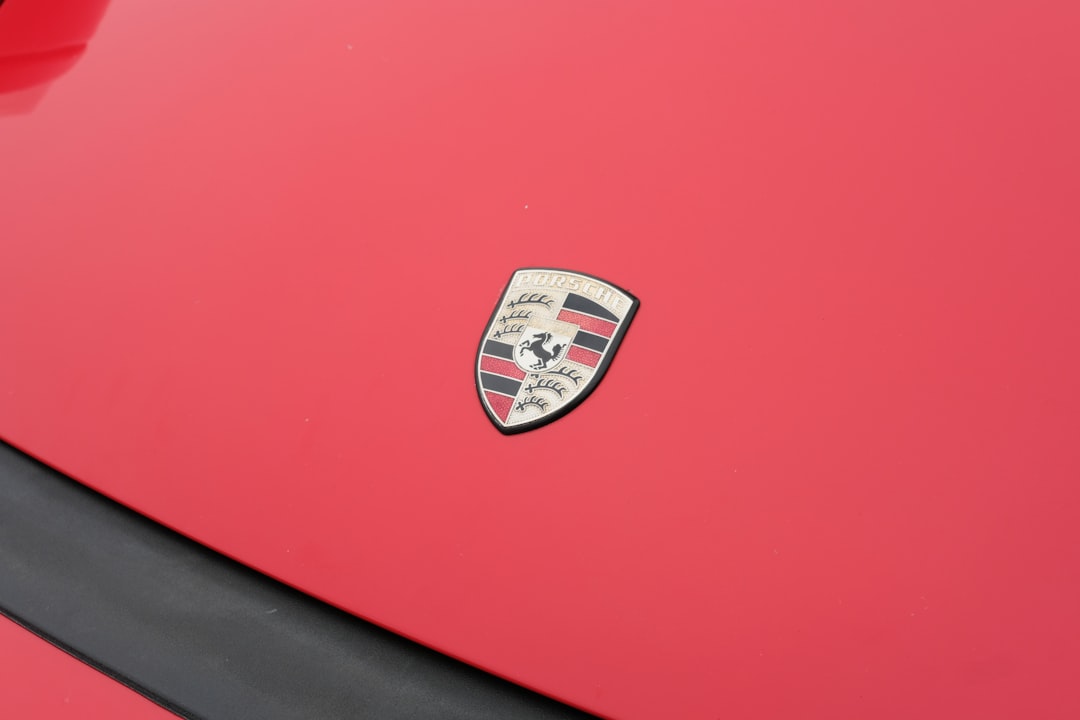
Oliver Blume's Zuffenhausen-based automaker reported a 91.4 percent profit collapse on Tuesday, marking the most dramatic earnings decline in the company's modern history and underscoring the structural crisis facing Germany's flagship industrial sector.
The announcement, reported by t-online, follows a pattern of deteriorating performance across German automotive manufacturers, who face mounting pressure from Chinese electric vehicle competition, costly transitions away from combustion engines, and trade headwinds including American tariffs.
Porsche's collapse comes weeks after Oliver Zander, head of the Gesamtmetall employers' association, warned that German manufacturing would shed 150,000 jobs this year—the steepest decline since reunification. The metalworking and engineering sectors, which form the backbone of Germany's export economy, now confront what industry analysts describe as a perfect storm of competitive disadvantage.
In Germany, as elsewhere in Europe, consensus takes time—but once built, it lasts. The problem now is that consensus around industrial policy remains elusive. The coalition government—comprising the SPD, Greens, and FDP—has struggled to match the scale of subsidies deployed by Washington through its Inflation Reduction Act or Beijing's state-directed investment in battery technology and semiconductor manufacturing.
The automotive crisis exposes deeper questions about the German economic model. For decades, the country's industrial success rested on engineering excellence, disciplined fiscal policy embodied in the constitutional debt brake, and access to cheap Russian energy and Chinese markets. All three pillars have crumbled since 2022.
Stuttgart-based Porsche, long regarded as the most profitable automotive brand globally, now finds itself squeezed between premium Chinese competitors like BYD's high-end models and the mounting costs of electrification. The company's traditional strength—high-margin combustion sports cars—faces regulatory sunset across European markets, while its electric Taycan model confronts Chinese vehicles offering comparable performance at substantially lower prices.