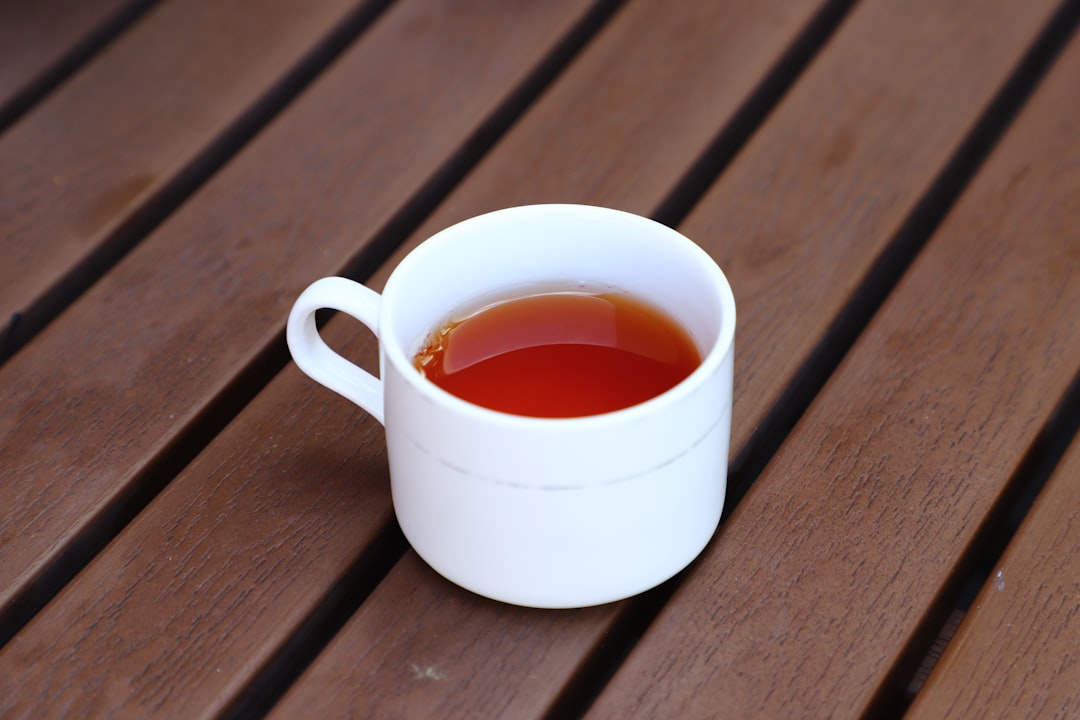
A single premium "silken" plastic tea bag releases approximately 11.6 billion microplastics and 3.1 billion nanoplastics into your cup when steeped at brewing temperature, according to research from McGill University.
Let's put that number in perspective. That's billions with a b. From one tea bag. In one cup.
The study, published in Environmental Science & Technology, focused specifically on the pyramid-shaped "silken" tea bags that have become popular in premium tea brands. These aren't paper—they're typically made from food-grade plastics like nylon or polyethylene terephthalate (PET).
When exposed to brewing temperatures (typically 95°C or 203°F), these plastic bags break down and release massive quantities of micro- and nanoplastics into the water. The researchers used electron microscopy and spectroscopy to identify and count the particles.
Now, before you panic entirely, we should be clear about what we don't know. The health implications of ingesting these particles remain uncertain. There's growing evidence that microplastics accumulate in human tissues, and animal studies suggest potential inflammatory and toxic effects, but direct evidence of harm from dietary microplastic exposure in humans is still limited.
What we do know is that this represents a significant and easily avoidable source of microplastic exposure. The researchers found that traditional paper tea bags release far fewer particles, and loose-leaf tea with a metal or ceramic infuser releases essentially none.
How do you tell if your tea bag is plastic? The pyramid-shaped "silken" bags are the main culprits. They feel smooth and slightly shiny, unlike traditional paper bags which have a matte, fibrous texture. If it looks like fabric mesh, it's probably plastic.
Some manufacturers are switching to plant-based materials like cornstarch for their pyramid bags, which would decompose rather than fragment into persistent microplastics. But unless explicitly labeled, assume silken bags are plastic.