
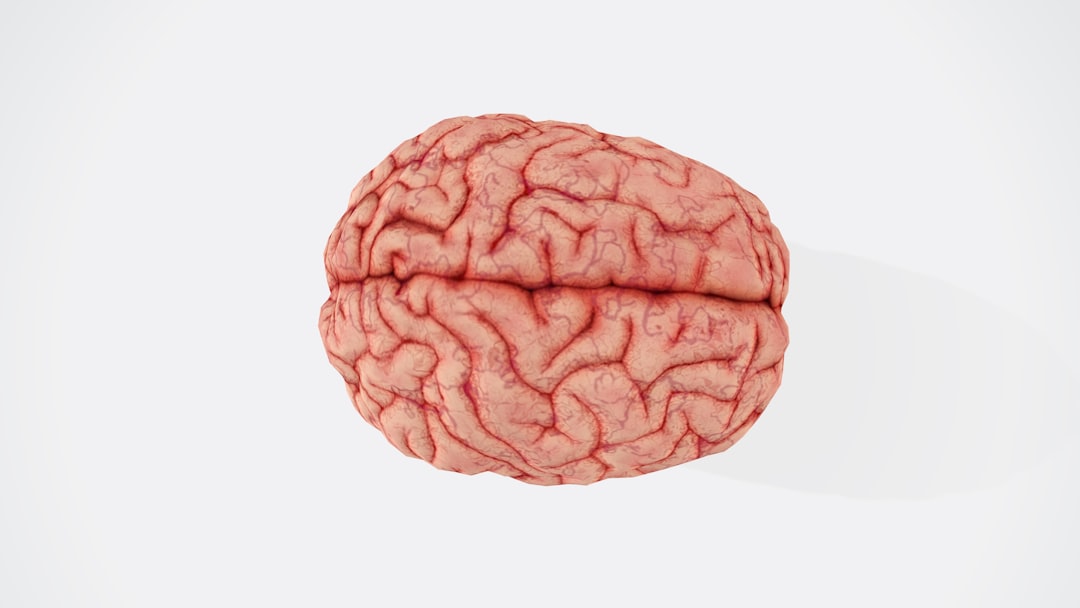
A comprehensive meta-analysis of over 220,000 adults has found that eating a healthy plant-based diet is associated with a 26% lower risk of cognitive decline and dementia. But here's the crucial nuance that cuts through the simplistic plant-based hype: not all plant-based diets are created equal.
The research, published in The Journal of Prevention of Alzheimer's Disease, analyzed data from multiple prospective studies tracking dietary patterns and cognitive outcomes. What emerged was a clear distinction between whole-food plant diets and what researchers call "unhealthful" plant-based eating.
"This isn't about vegetarianism as an ideology," explains the research team led by Jui-Hsiu Tsai and colleagues. "It's about food quality. A diet rich in vegetables, fruits, whole grains, legumes, and nuts shows protective effects. But a plant-based diet heavy in refined carbohydrates, sugary drinks, and processed foods? That actually increases dementia risk."
The universe doesn't care what we believe. Let's find out what's actually true.
The distinction matters because the Western health conversation often treats "plant-based" as a monolithic category. You could technically eat nothing but white bread, French fries, and soda—all plant-based—and be doing your brain no favors. The meta-analysis specifically examined healthful plant-based diets, defined by their emphasis on minimally processed whole foods.
The cognitive protection appears to come from multiple mechanisms: reduced inflammation, better vascular health, lower oxidative stress, and improved insulin sensitivity. Whole plant foods deliver antioxidants, polyphenols, fiber, and vitamins that industrial food processing often strips away.
Now for the reality check: this is a meta-analysis of observational studies, not randomized controlled trials. People who eat healthy plant-based diets might differ in other ways—exercise more, smoke less, have better healthcare access. The researchers acknowledge this residual heterogeneity and note that observational designs can't prove causation.
That said, 220,000+ participants across multiple studies provide substantial statistical power. The dose-response relationship is particularly compelling: greater adherence to healthful plant-based eating correlated with progressively lower dementia risk.