Peru in February doesn't appear in most travel guides' top recommendations. The Inca Trail is closed. The skies are grey more often than not. And the altitude — Cusco sits at 3,400 meters above sea level — is not forgiving of travelers who push too hard, too fast.
And yet, a recent account generating 582 upvotes on r/travel makes a compelling case that February in Peru might be the smartest time to go, provided travelers understand exactly what they are signing up for.
The upside: deals, solitude, and landscapes nobody else sees
Off-season pricing in Cusco and the Sacred Valley is real. Hotels that command premium rates during the dry-season crush offer substantial discounts in February. High-end lodges are, in some cases, hosting the only guests on property — meaning private access to guides, staff, and infrastructure that would otherwise be shared with dozens of other travelers.
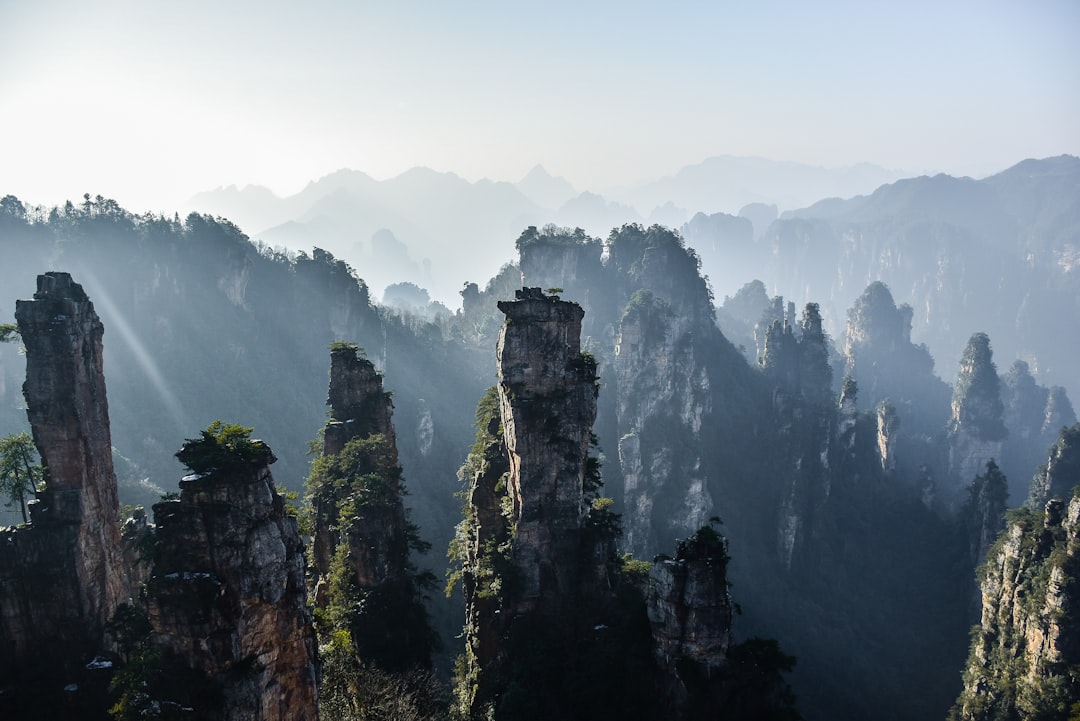
For landscapes, the rainy season delivers something the dry season cannot: green. The Andes transforms in February, the browns of August replaced by vivid emerald against ancient stone. One traveler described a hike near Nevado Veronica — passing by snow-capped peaks with zero other people present — as the highlight of an entire trip that included Machu Picchu. "Not a single other person there," they wrote. That kind of solitude is essentially impossible at Machu Picchu in the dry season.
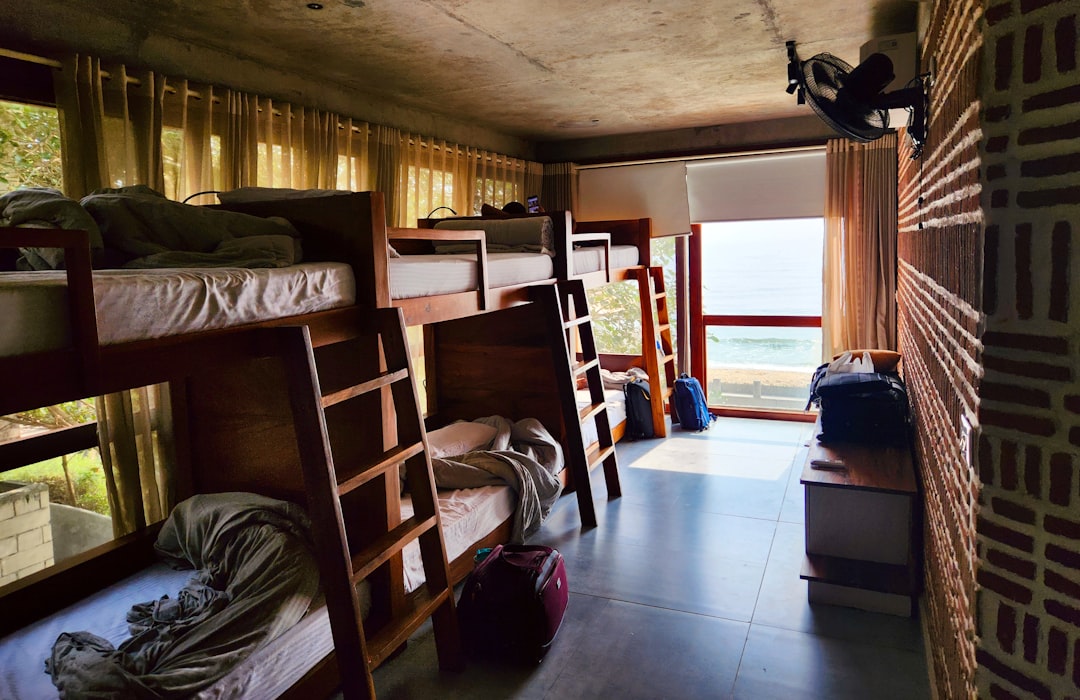
Most explorations from their Sacred Valley lodge had "basically zero other people on them." Due to the off season, they were the only guests at the hotel for a stretch and had guides and staff entirely to themselves.
The serious risk that travelers consistently underestimate
Here is the part travel influencers skip: altitude sickness at 3,400 meters is not a minor inconvenience. It is a genuine medical risk. The experience documented in the r/travel thread — stomach cramps severe enough to require hospitalisation for IV fluids and severe dehydration — is a common enough outcome that it warrants direct discussion.
Cusco sits higher than almost any capital city in Europe or North America. The standard acclimatisation advice — arrive slowly, rest the first day, avoid alcohol, drink coca tea — exists for good reason. Most travelers who end up in hospital did not follow it. Altitude sickness can present deceptively: what begins as mild headache and breathlessness can escalate rapidly to pulmonary or cerebral edema in severe cases.
Travel health experts consistently recommend:
- Spending at least 48-72 hours in Cusco before any strenuous activity - Arriving from a lower-altitude city like Lima where possible - Avoiding alcohol entirely for the first two days - Knowing the nearest medical facilities and carrying altitude medication (acetazolamide) if advised by a doctor before travel - Descending immediately if symptoms worsen — altitude sickness does not improve by pushing through
What February actually looks like on the ground
The Inca Trail closes in February for maintenance and ecological recovery. This means the iconic 4-day trek to Machu Picchu is unavailable, but alternative routes — the Salkantay Trek, the Lares Trek, and train options — remain open. Machu Picchu itself stays open year-round.
The traveler who shared the account described Cusco as "a lot bigger than I expected, cleaner and more beautiful" and felt completely safe even with a camera out at night. The Sacred Valley delivered hikes with zero crowd pressure — a rarity in one of South America's most-visited corridors.
The verdict from experienced travelers: Peru in February is a genuine bargain with genuinely extraordinary landscapes. But arrive with time, arrive with humility about the altitude, and acclimatise properly before you do anything strenuous.