Travelers planning Peru's Amazon jungle face a confusing choice: budget lodges near Iquitos, mid-range options in Tambopata, or expensive multi-day Manu Reserve expeditions. For solo travelers who love nature but aren't hardcore birders, the cost-benefit calculation isn't obvious.
A solo traveler planning an April/May trip to Peru initially considered G Adventures or Intrepid group tours but decided to organize key components independently for flexibility and cost savings. Their research revealed that the Amazon lodges used by those tours "aren't very good" compared to independent options.
But reading about Manu Reserve trips created a new dilemma. There are mixed views about whether the 6-day/5-night deep jungle immersion is truly enjoyable and worth it for solo travelers with general nature interest rather than extreme birdwatching obsession.
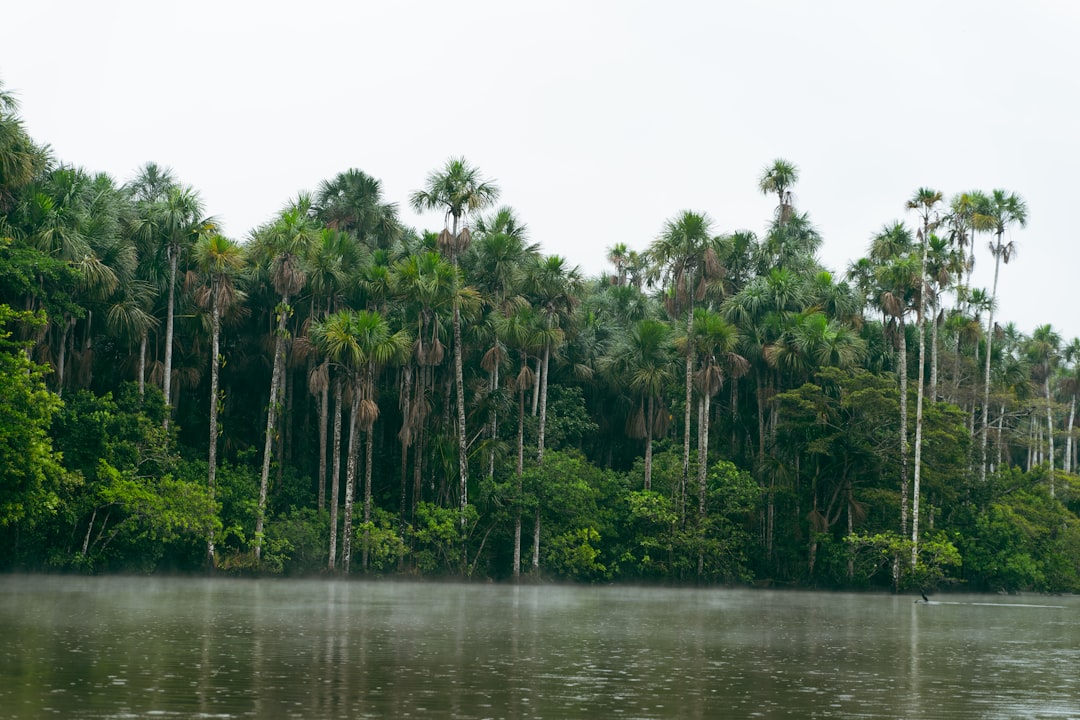
The Manu Reserve experience is undeniably deeper and more remote than Tambopata or Iquitos. You're traveling further into protected rainforest with potentially better wildlife viewing and less tourist impact. But that comes with significant tradeoffs.
Cost is the first consideration. Manu Reserve tours typically run $800-1200 for 6 days, compared to $300-600 for 3-4 day Tambopata lodge stays. The price difference reflects transportation time—getting deep into Manu involves long boat journeys and rough roads.
Time commitment is the second factor. Six days is substantial when you're traveling solo and paying for the entire trip yourself. If the experience doesn't match your interests, that's a week of your Peru itinerary locked into something you're not enjoying.
Experienced Amazon travelers note that tours are heavily focused on birding and wildlife observation, often starting with pre-dawn wake-ups for optimal animal activity. For serious nature enthusiasts and birders, this is paradise. For casual nature lovers who enjoy rainforest but don't need to spot every species, the intensity can feel exhausting.