NASA's Perseverance rover has completed the first fully AI-planned autonomous drive on Mars, navigating over 450 meters of Martian terrain without human intervention. The achievement represents a fundamental shift in planetary exploration: from robots controlled remotely to truly autonomous systems capable of independent decision-making in alien environments.
The historic drive, announced by NASA, saw Perseverance's onboard artificial intelligence scan the surrounding landscape, identify potential hazards, calculate optimal routing, and execute the drive entirely on its own. Previous Mars rover operations required human drivers on Earth to examine images, plan routes, and transmit detailed driving commands—a painstaking process limited by communication delays and human availability.
The breakthrough matters because Mars is far enough from Earth that radio signals take up to 22 minutes each way. Traditional rover operations involve sending commands, waiting for confirmation, receiving new images hours later, and planning the next move—an approach that severely limits daily driving distances and exploration efficiency. With autonomous navigation, Perseverance can make decisions in real-time, avoiding hazards and optimizing routes as conditions change.
The AI system uses multiple cameras to create detailed 3D maps of nearby terrain, identifying rocks, slopes, soft sand, and other obstacles that could strand or damage the rover. Advanced algorithms then calculate safe paths that balance speed, scientific interest, and risk—mimicking the decision-making process human drivers perform but executing it onboard without external input.
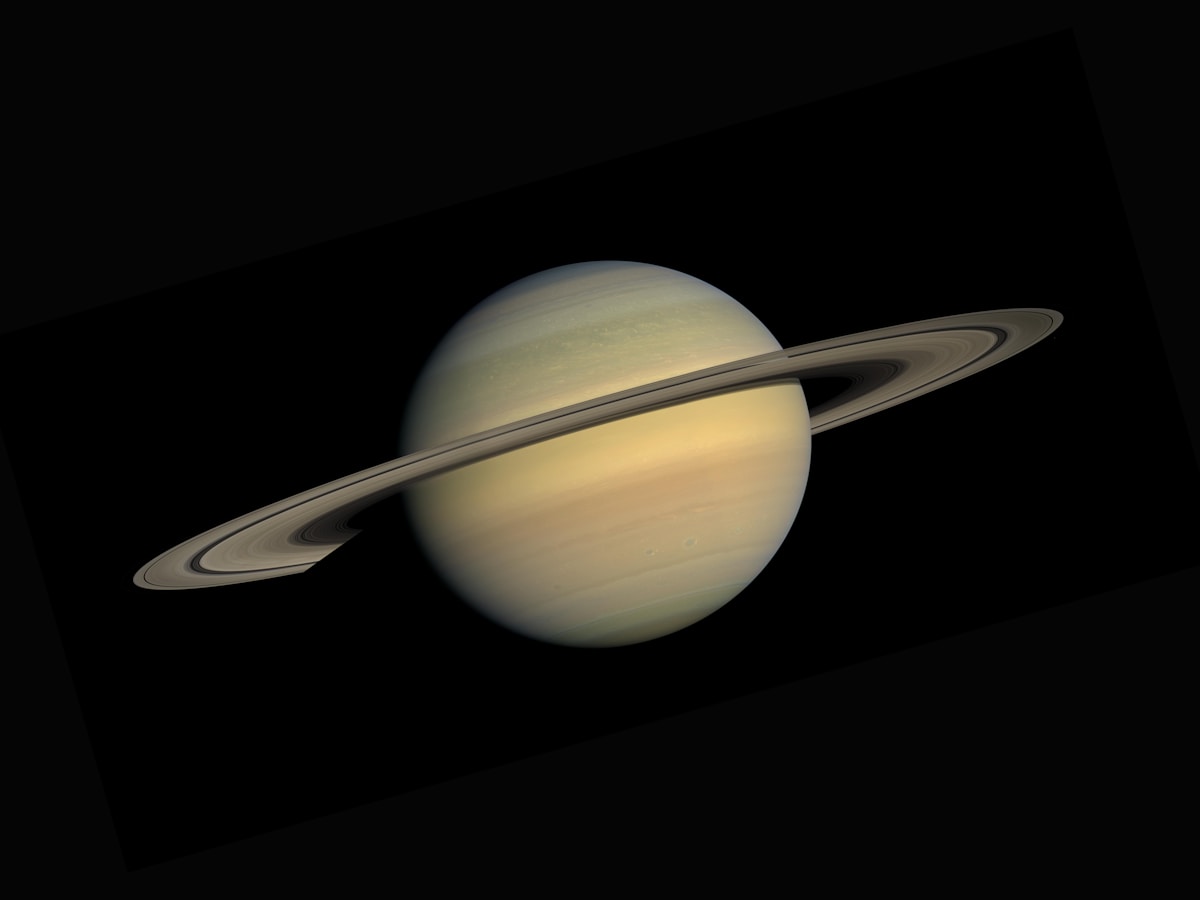
For outer solar system exploration, this capability becomes essential rather than merely convenient. Missions to Jupiter's moon Europa or Saturn's moon Titan face communication delays measured in hours rather than minutes. A Europa lander receiving instructions from Earth would wait 45 minutes for each command round-trip—making real-time hazard avoidance impossible without onboard autonomy.
In space exploration, as across technological frontiers, engineering constraints meet human ambition—and occasionally, we achieve the impossible. Perseverance's AI-planned drive represents exactly such a moment: by embedding intelligence directly into the spacecraft itself.