A senior Palestinian official has defied US President Donald Trump's demands that Hamas be disarmed and the Palestinian Authority undertake major reforms, complicating American efforts to broker a long-term settlement in Gaza and exposing the widening gaps between Washington's expectations and Palestinian political realities.
The rejection, reported by The Times of Israel, came from a Palestinian Authority official speaking on condition of anonymity, who stated that Hamas disarmament was neither feasible nor acceptable to the Palestinian public, and that internal reforms were a matter for Palestinians to decide, not external powers.
Trump's transactional approach to Middle East peace is colliding with decades of entrenched positions. Having covered previous peace processes from Jerusalem to Ramallah, this pattern is familiar—American presidents arrive with bold demands, only to discover that Israeli-Palestinian dynamics resist simple solutions. The PA's refusal signals this round may follow the same trajectory.
Trump has framed his approach to the Gaza situation as a business negotiation, offering reconstruction aid in exchange for security guarantees and political reforms. His administration has insisted that any long-term settlement must include Hamas disarmament and PA governance reforms to reduce corruption and improve service delivery.
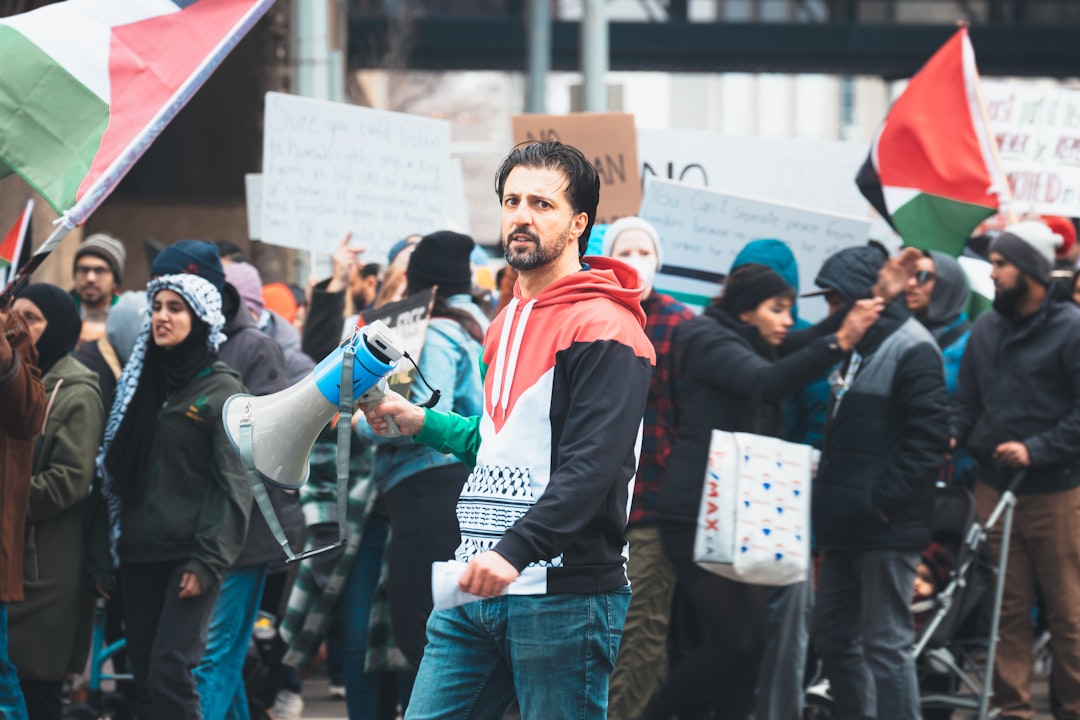
But the PA official's response reveals why this framework faces obstacles. Hamas, despite its losses in the recent conflict, maintains significant support among Palestinians who view armed resistance as legitimate in the face of Israeli occupation. Demanding disarmament without addressing the underlying political grievances—occupation, settlements, Jerusalem, refugees—is unlikely to succeed.
The PA itself faces legitimacy challenges. President Mahmoud Abbas, now in the 19th year of his four-year term, leads a government widely viewed as corrupt and ineffective. But PA officials bristle at external demands for reform, arguing that Palestinian governance is an internal matter and that reform imposed from outside would further undermine legitimacy.
Israel has its own demands, insisting that any PA role in Gaza must include security guarantees and recognition of Israel's right to exist. Benjamin Netanyahu's government has repeatedly stated it will not accept Hamas governance in Gaza but has also blocked PA efforts to strengthen its position, fearing a unified Palestinian leadership could present a more credible negotiating partner.
The deadlock reflects a broader pattern in Israeli-Palestinian relations: each side's maximum demands exceed what the other can accept, while international mediators lack the leverage or political will to force compromises. Trump's approach—offering incentives while threatening to withhold aid—has been tried before with limited success.
To understand why, consider the asymmetries. Israel is a militarily powerful state with strong international support, particularly from the US. Palestinians are a stateless people under occupation, divided between competing authorities in the West Bank and Gaza, with limited leverage beyond international sympathy and sporadic violence.
In this context, PA officials calculate that accepting Trump's demands would further erode their standing without delivering meaningful concessions from Israel. They remember previous rounds of negotiations where Palestinian compromises were pocketed while Israeli commitments remained unfulfilled.
The rejection also reflects internal Palestinian politics. The PA faces intense criticism from Hamas and other factions for its security cooperation with Israel and perceived subservience to Western donors. Accepting Trump's terms would provide ammunition to these critics while delivering uncertain benefits.
Whether this deadlock can be broken remains unclear. Trump has suggested he may move forward with reconstruction plans regardless of PA participation, potentially working with Arab states or international organizations. But any settlement that excludes the PA risks creating parallel governance structures that further fragment Palestinian politics.