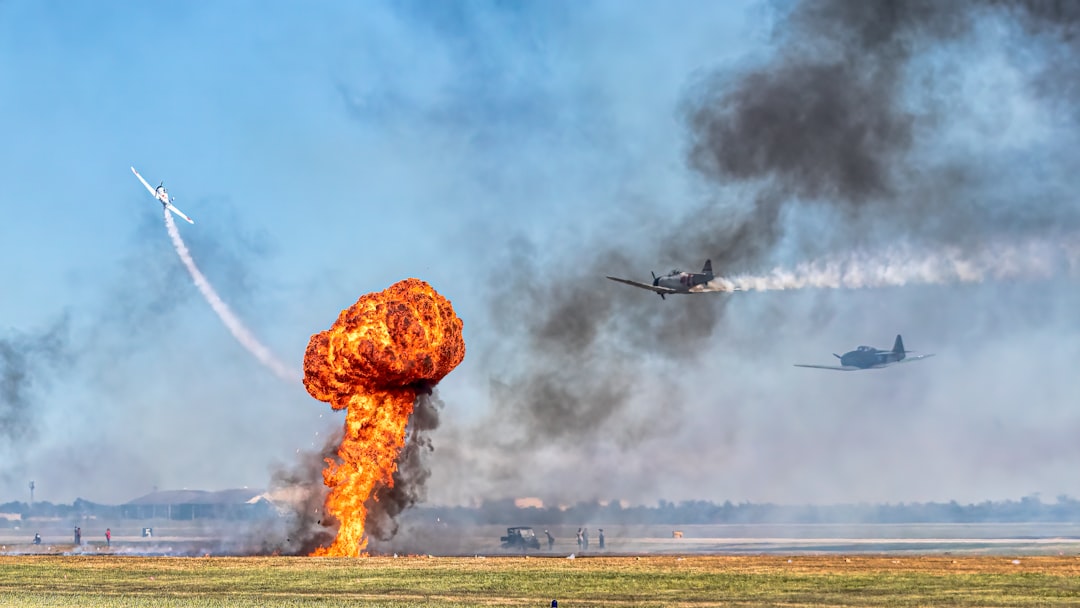
Pakistani military airstrikes hit Syed Jamaluddin University in Kunar province, eastern Afghanistan, killing four civilians and wounding 48 others, including children, according to local reports and Taliban administration sources.
The strikes targeted the educational compound in what Islamabad likely views as retaliation for cross-border attacks by the Tehrik-i-Taliban Pakistan (TTP), which operates from Afghan territory. Pakistani authorities have not yet issued an official statement confirming the operation, though military sources typically characterize such strikes as targeting "militant hideouts."
The Taliban administration condemned the attack through its spokesman Zabihullah Mujahid, calling it a violation of Afghan sovereignty and warning of consequences. The Islamic Emirate has repeatedly denied harboring TTP fighters, though Pakistani officials maintain that the group enjoys safe haven in eastern Afghan provinces along the porous border.
In Afghanistan, as across conflict zones, the story is ultimately about ordinary people navigating extraordinary circumstances. Students at Syed Jamaluddin University found themselves caught between regional tensions they did not create. The university, one of the few functioning higher education institutions in Taliban-controlled eastern Afghanistan, serves rural communities with limited educational access.
Escalating border tensions between Pakistan and Afghanistan have intensified since the Taliban returned to power in 2021, with Islamabad increasingly frustrated by TTP attacks launched from Afghan soil. Pakistan has conducted multiple airstrikes over the past two years, though strikes on educational institutions represent a particularly controversial escalation.
The TTP, which seeks to overthrow Pakistan's government and impose strict Islamic rule, has killed hundreds of Pakistani security personnel and civilians in attacks since ending a ceasefire with Islamabad in late 2022. Pakistani officials accuse the Afghan Taliban of breaking promises to prevent cross-border militancy, while the Taliban administration insists it lacks the capacity to completely secure the mountainous border region.
International humanitarian organizations operating in Afghanistan have expressed concern about civilian casualties in cross-border military operations. The United Nations Assistance Mission in Afghanistan (UNAMA) documented multiple incidents of Pakistani airstrikes causing civilian harm in 2025, though verification remains challenging given access restrictions.
The incident raises questions about Pakistan's military strategy and the humanitarian consequences of strikes targeting areas with civilian infrastructure. Kunar province, heavily forested and mountainous, has historically served as a transit zone for militants, but also houses civilian communities with few security options.
For Afghan civilians, particularly in border provinces, the violence represents yet another chapter in decades of conflict beyond their control. The university's students, seeking education amid economic collapse and Taliban restrictions, now face military strikes from neighboring countries. The humanitarian toll of regional counterterrorism operations continues to mount, even as the international community's attention on Afghanistan has waned since the 2021 withdrawal.
Neither government has shown willingness to negotiate substantive security arrangements, leaving border communities vulnerable to continued violence. The Taliban administration lacks international recognition and diplomatic leverage, while Pakistan prioritizes domestic security concerns over Afghan civilian welfare in its military calculus.