Overtourism Solutions Go Global: Hard Visitor Caps Now Standard at Iconic Sites
Visitor caps and entry fees are becoming standard at iconic sites worldwide, from Venice's €5 day-tripper fee to Mount Fuji's 4,000 daily limit. The era of unlimited access is ending as destinations prioritize preservation through mandatory reservations, meaningful fees, and timed entry systems.
The era of unlimited access to the world's most iconic destinations is ending. From Venice to Mount Fuji, hard visitor caps and entry fees are becoming the global standard for protecting beloved sites from being destroyed by their own popularity.
The 2026 list of destinations implementing managed access continues to grow: Venice introduced a €5 daily entry fee for day-trippers. Barcelona is cracking down on illegal vacation rentals and may limit cruise ship arrivals. Machu Picchu charges $50+ with timed entry slots. The Galápagos Islands charge $100+ with strict daily limits. Mount Fuji now requires $27 fees and a 4,000 daily cap. Thailand's Maya Bay cycles between open and closed seasons. Dubrovnik limits cruise ship disembarkation. Amsterdam has banned new hotels in the city center.
"The fundamental tension: destinations need tourism revenue but can't survive unlimited visitors," explained a tourism policy expert on r/travel. "The solution emerging worldwide is 'managed access'—you can still visit, but you need to plan ahead and pay more."
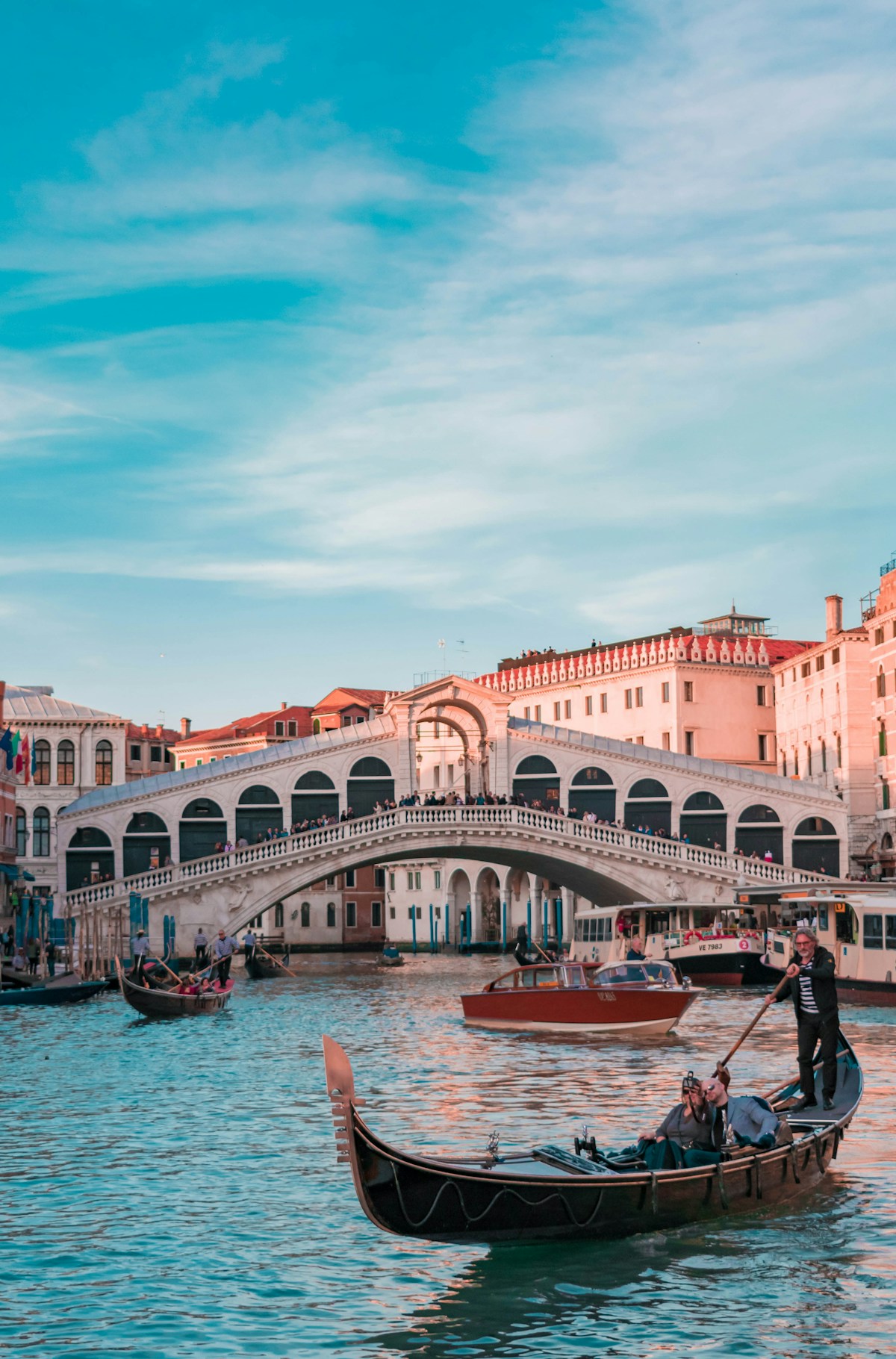
Venice's €5 day-tripper fee marks a symbolic turning point:
The fee is too low to actually reduce visitor numbers meaningfully, but it establishes a critical principle: day-trippers consume city resources and should contribute to their maintenance. Venice residents have long argued that cruise ship passengers flood the city for 6-8 hours, overwhelm infrastructure, and spend minimal money compared to overnight guests.
"The Venice fee is too low to actually reduce visitor numbers but it's symbolically important," noted a Venice resident. "It establishes the principle that day-trippers consume city resources and should contribute. Next step should be €25-50."
Higher fees would create meaningful economic barriers while generating substantial revenue for infrastructure and preservation. Venice likely starts low to test systems and political feasibility before gradually increasing to effective levels.
Mount Fuji's comprehensive approach sets the new standard:
The $27 fee, 4,000 daily cap, mandatory reservations, and equipment checks represent the most thorough managed access system implemented at a major natural landmark. Japan's system doesn't just limit numbers—it ensures those who do climb are properly prepared.
"Fuji joins Venice, Barcelona, Machu Picchu, and the Galápagos in implementing hard visitor caps," observed an overtourism researcher. "This is the future of tourism at iconic sites. The era of unlimited access is ending."
The philosophical debate: equity versus preservation:
"Unpopular opinion: this is making travel more equitable, not less," argued one backpacker. "Under the old system, the first to arrive got unlimited access while locals suffered. Now everyone gets a fair chance with advance booking."
That perspective challenges the common criticism that caps favor wealthy travelers who can afford fees and plan far ahead. The counter-argument: unlimited access favored those with flexibility and information—often wealthy travelers anyway—while destroying destinations for everyone including local communities.
Managed access through reservations creates a level playing field where advance planning matters more than wealth. A budget backpacker who books three months ahead has the same access as a luxury traveler.
The alternative destination strategy:
"While everyone focuses on capped destinations, lesser-known alternatives are thriving," noted a travel blogger. "Skip Venice for Trieste, skip Barcelona for Valencia, skip Machu Picchu for Choquequirao. Same magic, fraction of the crowds."
This represents the market working as intended: as iconic sites implement caps and raise prices, travelers discover alternatives offering similar experiences without the overcrowding. Trieste has Venetian-influenced architecture and Adriatic beauty. Valencia offers Mediterranean beach city culture. Choquequirao delivers Incan ruins with far fewer tourists than Machu Picchu.
The emerging global playbook for managing overtourism:
First, implement hard daily visitor caps through mandatory reservation systems. This controls numbers while ensuring all visitors have confirmed access.
Second, charge meaningful entry fees that fund preservation and maintenance. Free access sounds democratic but creates tragedy-of-the-commons destruction.
Third, use timed entry to spread visitors throughout the day rather than creating peak-hour crushing. Machu Picchu and the Vatican Museums demonstrate this effectively.
Fourth, establish and enforce equipment/preparation standards for challenging sites. Mount Fuji's gear checks prevent dangerous unprepared attempts.
Fifth, limit or ban the most destructive visitor behaviors: cruise ship day-trippers, illegal rentals, certain vehicle types. Barcelona and Amsterdam show this approach.
Sixth, invest fees collected directly into preservation, infrastructure, and local community benefit. Residents tolerate tourism when they see tangible benefits.
What this means for travelers in 2026 and beyond:
First, plan further ahead. Spontaneous visits to iconic sites are increasingly impossible. Booking windows for popular destinations now open 3-6 months in advance.
Second, budget for entry fees as standard costs, not optional extras. The $27 Mount Fuji fee, $50 Machu Picchu ticket, and €5 Venice fee are modest, but they add up across a multi-destination trip.
Third, research alternative destinations offering similar experiences without the crowds and caps. The second-tier sites often deliver better experiences than overcrowded icons.
Fourth, support managed access systems rather than complaining about restrictions. These measures protect destinations from destruction, ensuring future generations can also visit.
Fifth, travel during shoulder seasons when visitor pressure is lower. Many capped destinations offer higher daily limits or no reservations requirements outside peak season.
The overtourism solutions spreading globally represent a fundamental shift: destinations prioritizing preservation over unlimited growth. That's not anti-tourism—it's pro-sustainable tourism.
The best travel isn't about the destination—it's about what you learn along the way. And what overtourism teaches is that loving places to death helps no one. Managed access, thoughtfully implemented, lets everyone enjoy these treasures without destroying them.