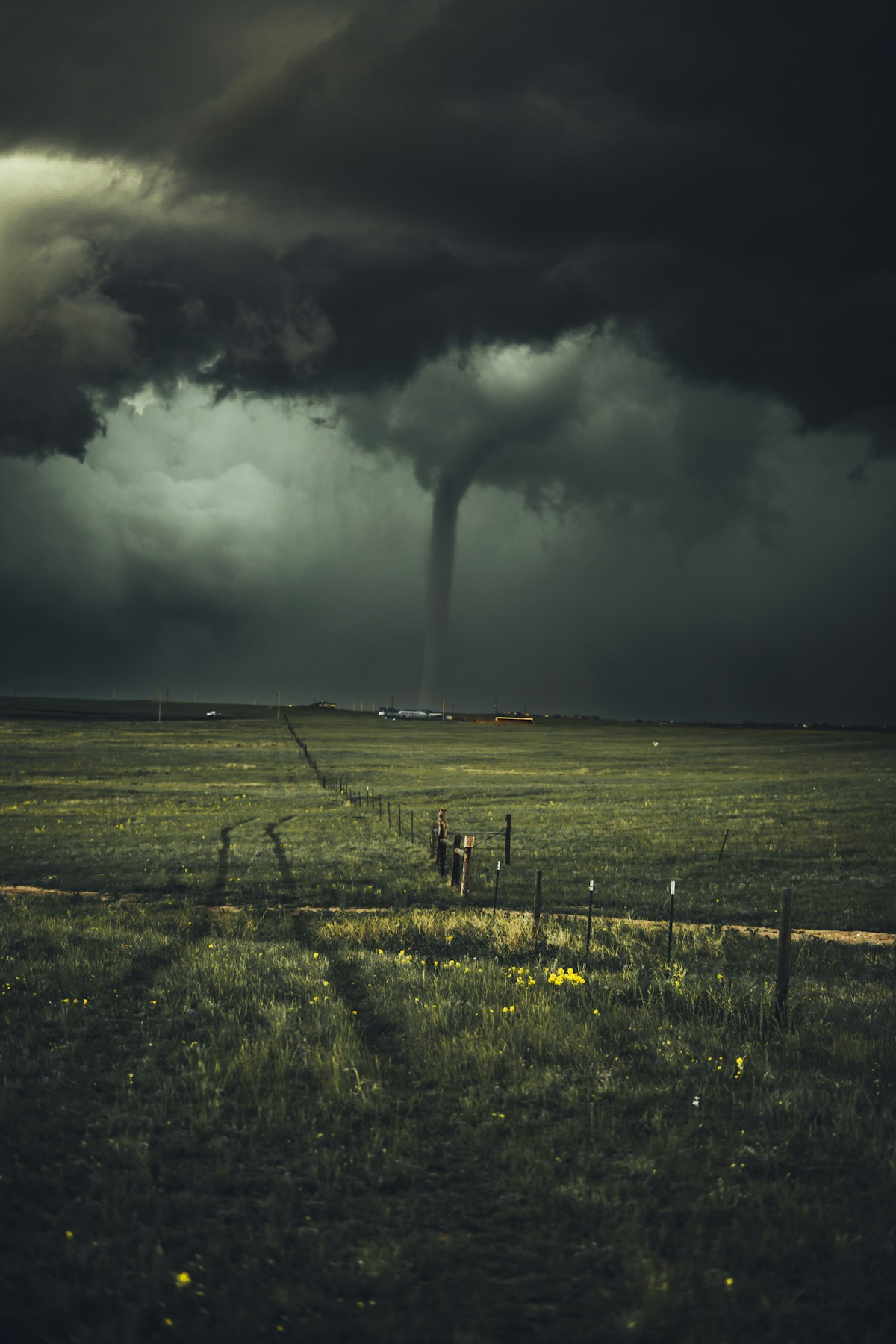
Atlantic hurricane season runs June 1 through November 30, and there's a critical travel insurance fact every Caribbean-bound traveler needs to know: once a tropical storm receives an official name, it becomes a "known event"—and your coverage changes dramatically.
If you buy travel insurance after a storm is named, your policy likely won't cover disruptions from that specific storm. This seemingly technical distinction has cost travelers thousands in denied claims.
"Learned this the hard way in 2024," shared one traveler on r/TravelHacks. "Hurricane hit Cancun, bought insurance the day before, and the claim was denied because the storm was already named. $4,000 in non-refundable bookings gone."
The solution is simple but requires discipline: buy travel insurance immediately after booking, not when the forecast looks threatening. By the time you're worried about a specific storm, it's too late for standard coverage to protect you from that threat.
Many policies also include waiting periods of 10-14 days before coverage kicks in for any reason. Book a Caribbean trip with departure in 10 days, buy insurance today, and you may have zero coverage for the first few days of your trip.
The "Cancel for Any Reason" (CFAR) solution:
CFAR coverage typically costs 40-60% more than standard travel insurance, but provides flexibility regardless of named storms, weather forecasts, or other "known events." For Caribbean, Gulf Coast, or Mexico travel between June and November, that premium buys peace of mind.
"CFAR is worth every penny for Caribbean travel June-November," advised a travel agent with 20 years experience. "Yes it costs more but one canceled trip pays for a decade of premiums. I tell every client this."
CFAR policies usually reimburse 50-75% of prepaid, non-refundable trip costs (versus 100% for standard covered reasons). That partial reimbursement still beats losing the entire trip cost when a hurricane threatens but hasn't officially impacted your destination.
Critical CFAR limitations to understand: you typically must cancel at least 48 hours before departure, and you must insure 100% of your trip cost. Can't insure just the flights and hope for the best on the hotel.
The credit card travel protection trap:
"Also worth noting: many credit card travel protections DO NOT cover weather events at all," warned a risk analyst. "Read the fine print on your Chase Sapphire or Amex Platinum before assuming you're covered."
Premium travel credit cards often provide trip cancellation/interruption insurance as a perk, leading travelers to assume they're protected. But the fine print frequently excludes weather-related cancellations entirely, or limits coverage to situations where your specific destination is under mandatory evacuation.
A hurricane hitting Cancun while you're booked for Tulum 80 miles south? Your credit card coverage may deny the claim because Tulum wasn't directly affected, even though your trip is clearly impacted.
Practical hurricane season travel strategies:
First, buy comprehensive travel insurance with CFAR immediately after booking any Caribbean, Gulf Coast, or Mexican coastal trip between June and November. Don't wait, don't assume, don't hope for the best.
Second, understand the difference between trip cancellation (you don't go) and trip interruption (you go but have to leave early or face problems during the trip). You need both coverages.
Third, monitor NOAA's National Hurricane Center forecasts as your departure approaches. Tropical waves become tropical depressions become tropical storms become hurricanes through a well-documented progression. The earlier you cancel, the more options you have.
Fourth, book refundable accommodations when possible, even at slight premium cost. The flexibility to cancel without penalty provides protection that insurance can't match.
Fifth, consider travel timing strategically. Early June and late November bookings face lower hurricane risk than August-September peak season. Caribbean destinations in the southern arc (like Aruba, Bonaire, Curaçao) sit below the typical hurricane belt.
Sixth, understand that "acts of God" and "weather" exclusions in standard policies mean different things. A named hurricane is foreseeable once named; an unexpected severe thunderstorm isn't.
The claims process matters as much as the policy:
Document everything. Save weather forecasts, official hurricane warnings, airline cancellation notices, and hotel closure announcements. Insurance claims require evidence, and "everyone knew there was a hurricane" doesn't constitute documentation.
File claims promptly with all required documentation. Missing deadlines or failing to provide requested evidence gives insurers grounds for denial.
Understand that "travel delay" coverage (usually 6-12 hours) differs from "trip cancellation" coverage. Being stuck at the airport for 8 hours may trigger meal/hotel reimbursement but won't refund your entire trip cost.
The hurricane season insurance lesson is broader than just storms: insurance only works when you buy it before you need it. By the time risk becomes obvious, coverage becomes unavailable or prohibitively expensive.
For Caribbean travel in 2026, that means buying insurance in May for a September trip, not in August when tropical waves start appearing on the forecast maps.
The best travel isn't about the destination—it's about what you learn along the way. And what hurricane season teaches is that preparation beats panic every time.