A traveler is considering buying a one-way ticket to Asia with plans to move between China, Korea, Philippines, and Japan's Hokkaido region based on how they feel about each place. The strategy raises important questions about whether spontaneous booking actually costs more than rigid planning.
The traveler has experience in Thailand, Japan, and several EU countries. They practice budget travel but not backpacking, and they've already learned important lessons: they cut their Turkey trip short when fed up with people but wanted to extend Japan.
That experience is exactly why flexible itineraries appeal to budget travelers. When you've already paid for accommodation and booked flights, being stuck somewhere you hate feels worse than any money you'd save from advance booking.
But does spontaneous booking actually cost significantly more? The answer depends on several factors: season, routes, advance booking windows, and whether you're in the budget airline ecosystem.
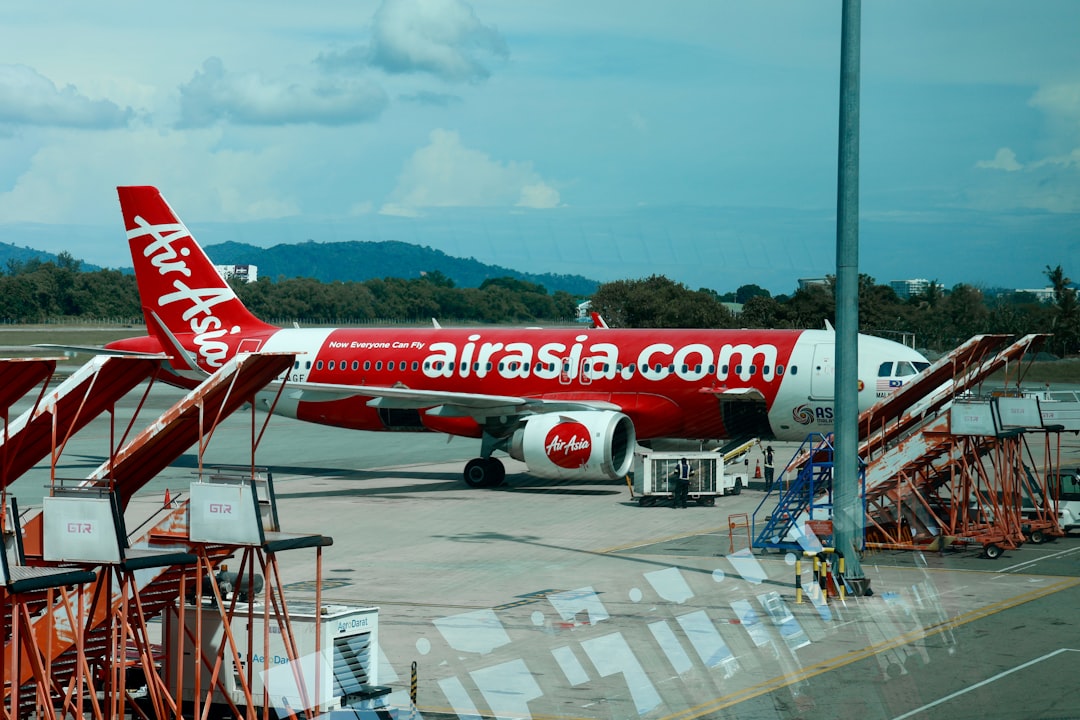
Intra-Asia budget airlines—AirAsia, Scoot, Cebu Pacific, Jetstar Asia—make spontaneous booking more viable than in other regions. Last-minute flights between Manila and Bangkok, or Seoul and Osaka, can still be found for $50-150 if you're flexible on dates and willing to take early morning or late night flights.
Accommodation actually gets easier with short notice in budget travel. Hostels and guesthouses often have vacancies and can be booked 1-3 days ahead through Hostelworld or Booking.com. You're not trying to book hotels months in advance—you're looking for whatever's available and cheap when you arrive.
The visa situation complicates pure spontaneity. China requires visa planning for most nationalities. Korea, Japan, and Philippines offer visa-free entry for many passport holders, but with specific time limits. Your flexibility is constrained by visa validity periods.
There's also the airline ticket requirement issue. Some countries require proof of onward travel before entry. A one-way ticket to Japan might trigger questions at immigration unless you can show a booked exit within the visa-free period. Budget travelers sometimes book refundable onward tickets that they cancel later, or use services that provide temporary proof of onward travel.
The Skyscanner strategy works well for intra-Asia booking. Use the "everywhere" search feature to see cheapest destinations from your current location. Budget airlines announce sales frequently, so checking every few days while traveling can reveal deals that beat advance bookings.
Weather and season matter more than many travelers realize. Flying to Hokkaido in winter means snow and cold—beautiful, but requiring different packing. Philippines in typhoon season means potential weather disruptions. Flexibility is great until your spontaneous booking puts you somewhere during its worst weather.
Experienced flexible travelers recommend a hybrid approach: book the first destination and accommodation, then remain flexible after that. Having your initial landing point secured makes the trip feel less chaotic while preserving spontaneity for everything after.
Another strategy is booking accommodation weekly rather than daily. Many guesthouses and Airbnbs offer weekly discounts that approach monthly rates. Booking a week at a time gives you time to explore while still maintaining flexibility to move on if the place doesn't work for you.
The cost comparison between rigid planning and spontaneous travel isn't straightforward. Advance booking captures the cheapest flights—airlines reward early commitment with lower prices. But advance booking also locks you into places you might hate and dates you might want to change.
Mid-range flexibility offers the best value: book major flights (international arrivals and departures) in advance, but keep intra-region travel and accommodation flexible. This captures some advance booking savings while preserving the ability to adjust.
For the China-Korea-Philippines-Japan itinerary, the visa requirements for China mean you need at least rough dates planned. The other countries allow more spontaneity, but airline proof of onward travel requirements mean you'll need some booked exits.
The psychological factor matters too. Some travelers thrive on total spontaneity—waking up and deciding where to go next. Others find it stressful and spend too much mental energy constantly researching and booking instead of enjoying the place they're in.
If your Turkey experience taught you that being stuck somewhere you dislike is miserable, flexible booking makes sense. The extra $50-100 per flight for last-minute booking is worth it if it means you can leave when you're ready rather than enduring another week somewhere that isn't working.
Just understand that "one-way ticket without plans" isn't actually planning-free. It's constant micro-planning: checking flights, searching accommodation, researching visa rules, managing border crossing logistics. For some travelers that's the adventure; for others it's exhausting.
The best travel strategy matches your actual personality and tolerance for uncertainty—not the Instagram version of spontaneous travel that looks romantic but might drive you crazy in practice.