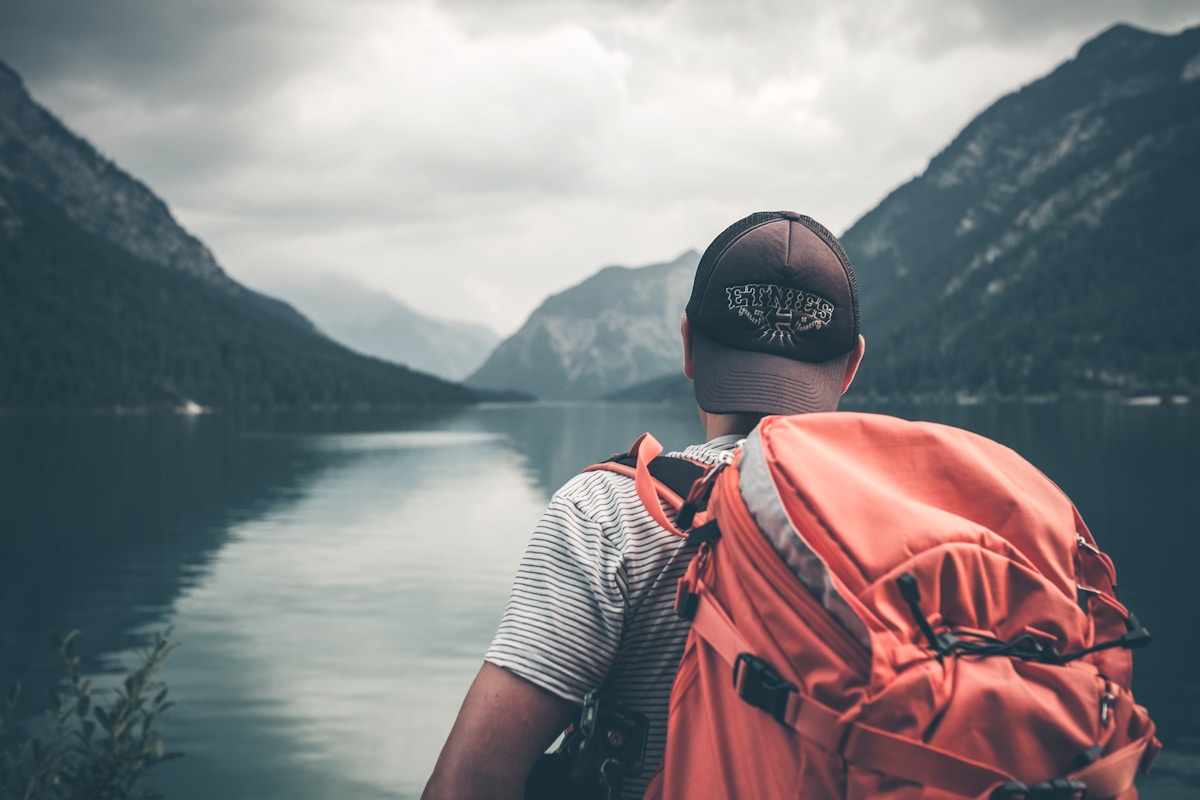
Forget the towering 70-liter backpack. One traveler just conquered Vietnam, the Philippines, and Japan for two months with a 35-liter bag - complete with camera gear, drone, and diving equipment.
The revelation? You don't need half of what you think you need.
The one-bag movement has been gaining momentum in travel circles, but skeptics always point to extended trips as proof that minimalism has limits. Two months across diverse climates and activities - beach diving in the Philippines, mountain trekking in Vietnam, urban exploration in Japan - seems like it would demand a full-size backpack's worth of specialized gear.
This trip report proves otherwise.
The strategy breaks down into three principles:
1. Strategic packing: Choose versatile items that serve multiple purposes. A sarong works as beach towel, blanket, and modest cover-up. Merino wool shirts handle both hiking and dinner. One pair of good shoes does everything except diving (and you rent dive booties).
2. Buy locally what you can't pack: Asia's affordable prices mean some items are cheaper to buy on arrival than to pack. Sunscreen, shampoo, even basic clothing - it's all available and often costs less than checking a bag would.
3. Embrace Asia's laundry infrastructure: Cheap, reliable laundry services across Southeast Asia and Japan mean you can pack for three days and wash weekly. The math is simple: pack less, wash more, travel lighter.
The drone and camera gear are the real surprise. These aren't compact point-and-shoot devices - we're talking legitimate photography and videography equipment. The key is ruthless editing: bring the gear that truly matters for your trip goals, not every accessory that might be useful.
What gets left behind? - Extra shoes beyond one versatile pair - "Just in case" clothing - Full-size toiletries (use samples or buy local) - Multiple towels (one quick-dry microfiber towel is enough) - Guidebooks (everything's on your phone)
The advantages of one-bag travel aren't just philosophical minimalism - they're intensely practical:
- No checked bag fees (save $50-100 per flight) - Move faster through airports - Fit luggage on buses, trains, and scooters easily - Never worry about lost luggage - Change plans spontaneously without luggage logistics
For skeptics wondering about diving gear: you rent it everywhere. The traveler brought a mask (personal fit matters) and dive computer, but rented BCDs, regulators, and wetsuits at dive shops. Total space saved: massive. Total quality compromised: zero.
Japan presented the real test. The country's mix of fancy restaurants, temples requiring modest dress, and outdoor activities seems to demand wardrobe variety. But thoughtful packing proved sufficient: one nice outfit covers temples and restaurants, quick-dry hiking clothes handle outdoor adventures, everything washes easily.
The broader lesson extends beyond packing lists. One-bag travel forces you to distinguish between what you actually need and what you're packing out of anxiety. That mental shift carries over to other aspects of travel - and life.
For travelers considering the one-bag approach on long trips, the advice is consistent: do a test pack, then remove 30%. Use packing cubes for organization. Choose versatile, quick-dry fabrics. Remember that almost anything you truly need can be purchased or rented on the road.
The 70-liter backpack served a generation of backpackers well. But with modern fabrics, global commerce, and infrastructure improvements across popular routes, the 35-liter bag delivers everything you need - and the freedom you didn't know you were missing.