Jakarta's newly inaugurated governor Pramono Anung has banned construction of new padel courts in residential neighborhoods, responding to a wave of noise complaints from residents frustrated by the middle-class sports craze disrupting their homes.
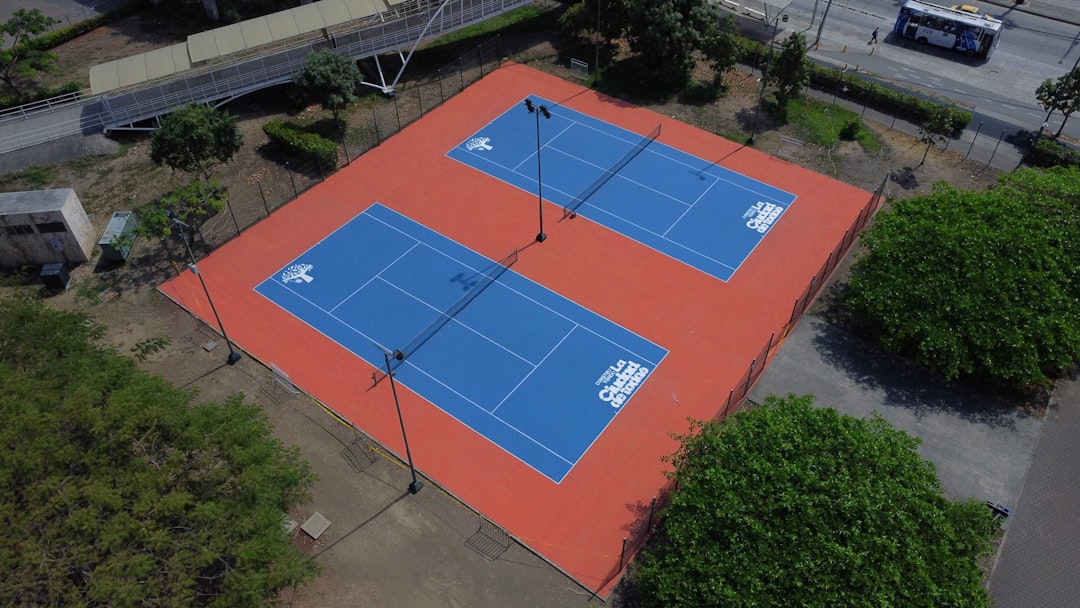
The ban, announced in a video statement, targets the sport that has exploded in popularity among Jakarta's affluent classes over the past two years. Padel—a racquet sport combining elements of tennis and squash—is played in enclosed courts where the sound of balls striking glass walls reverberates loudly, particularly problematic in Jakarta's densely packed residential areas.
"The noise from these courts is constant, from early morning to late evening," complained residents in several upscale neighborhoods where entrepreneurs have converted residential lots into commercial padel facilities. The thwack-thwack-thwack of gameplay carries through thin walls and across narrow streets, they say, making it impossible to work from home or enjoy evening quiet.
Pramono, who took office in February after defeating the candidate backed by outgoing President Joko Widodo, has positioned himself as responsive to quality-of-life concerns in the capital. The padel ban represents his first major urban planning decision, signaling that livability issues will receive attention in an administration facing enormous challenges around flooding, traffic congestion, and air pollution.
The governor clarified that existing padel courts may continue operating but must comply with noise ordinances. New courts will only be permitted in designated commercial or sports zones, not in areas zoned for residential use.
Padel's popularity in Indonesia mirrors trends across Latin America and Europe, where the sport has attracted players seeking a more social, accessible alternative to tennis. But Jakarta's density—combined with weak enforcement of zoning regulations—has meant courts sprouting up wherever entrepreneurs can secure land, regardless of neighborhood impact.
The ban has divided opinion. Padel enthusiasts argue the sport promotes healthy lifestyles and community building. Residents counter that commercial activities should not be imposed on residential neighborhoods without proper planning and soundproofing requirements.
In Indonesia, as across archipelagic democracies, unity in diversity requires constant negotiation across islands, ethnicities, and beliefs. In Jakarta, that negotiation extends to balancing the lifestyle aspirations of the wealthy with the right to peace and quiet in one's home—a microcosm of the broader tensions in a rapidly developing capital where growth and livability often conflict.