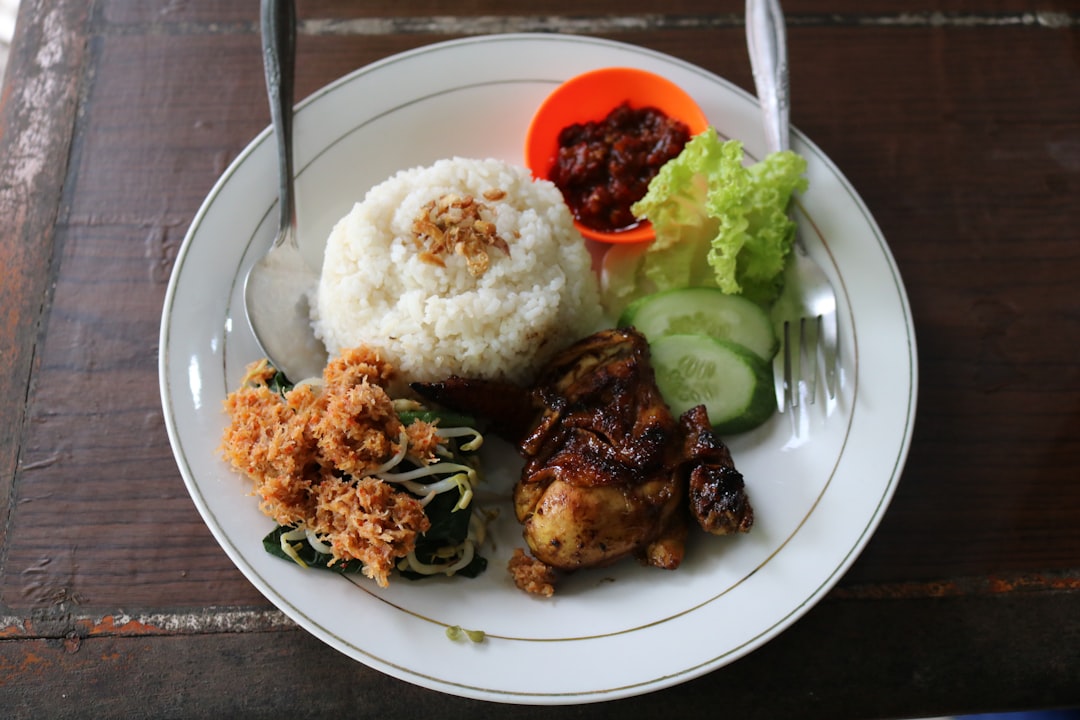
Indonesia is hemorrhaging trillions of rupiah weekly through waste and corruption in President Prabowo Subianto's flagship free meal program, according to a damning analysis by the Center for Indonesian Strategic and Leadership Studies (CELIOS).
The Makan Bergizi Gratis (MBG) program, launched as Prabowo's signature poverty-fighting initiative six months into his presidency, has become a test case for his government's ability to manage large-scale social programs without the endemic corruption that has plagued past Indonesian development efforts.
CELIOS researchers documented widespread food waste at distribution sites across the archipelago, with meals being discarded due to poor planning, inadequate storage, and mismatches between food delivered and actual need. The research institute, cited by Katadata, estimated losses in the trillions of rupiah per week—a staggering sum for a program meant to demonstrate the new administration's commitment to improving nutrition for Indonesia's poorest citizens.
Separately, the Indonesia National Budget Committee (BGN) uncovered a systematic markup scheme involving partners of the State Food Supply Chain Agency (SPPG), the government entity responsible for procuring ingredients for the MBG program. Multiple SPPG partners have been caught inflating prices for raw food materials, according to Kompas, siphoning public funds intended for child nutrition into private pockets.
The MBG program was designed to provide free nutritious meals to schoolchildren and pregnant women, particularly in Indonesia's poorest regions. It represents one of Prabowo's most visible campaign promises—a direct intervention to address malnutrition rates that remain stubbornly high despite Indonesia's economic growth over the past two decades.
Yet the program's troubled rollout highlights persistent challenges in Indonesian governance: weak oversight mechanisms, inadequate quality control, and opportunities for rent-seeking behavior by well-connected contractors. These patterns have undermined development programs across successive administrations, from infrastructure projects to social assistance schemes.
In Indonesia, as across archipelagic democracies, unity in diversity requires constant negotiation across islands, ethnicities, and beliefs. The logistical challenges of delivering consistent services across 17,000 islands spanning multiple time zones are immense—but they cannot excuse the structural corruption that the BGN investigation has revealed.
The scandal comes at a politically sensitive moment for Prabowo, who campaigned on promises to fight corruption and deliver practical improvements to Indonesians' daily lives. His defense minister background suggested managerial competence; the MBG program's failures raise questions about whether his administration can translate military-style discipline into effective civilian governance.
Civil society groups have called for transparent audits of all SPPG contracts and immediate reforms to procurement procedures. Opposition legislators are demanding parliamentary hearings. The program's continuation depends on the government's ability to demonstrate it can eliminate waste and prosecute those involved in the markup schemes.
Indonesia's democratic institutions—its free press, independent research organizations like CELIOS, and legislative oversight bodies—have successfully exposed the problems. The harder test will be whether those same institutions can compel meaningful reforms, or whether the MBG program becomes another example of good intentions undermined by poor execution and corruption.
The program was meant to showcase what Indonesia's democratic governance could achieve. Instead, six months in, it has become a reminder of how far the country still has to go in building accountable institutions that serve all Indonesians, not just those connected enough to profit from public programs.