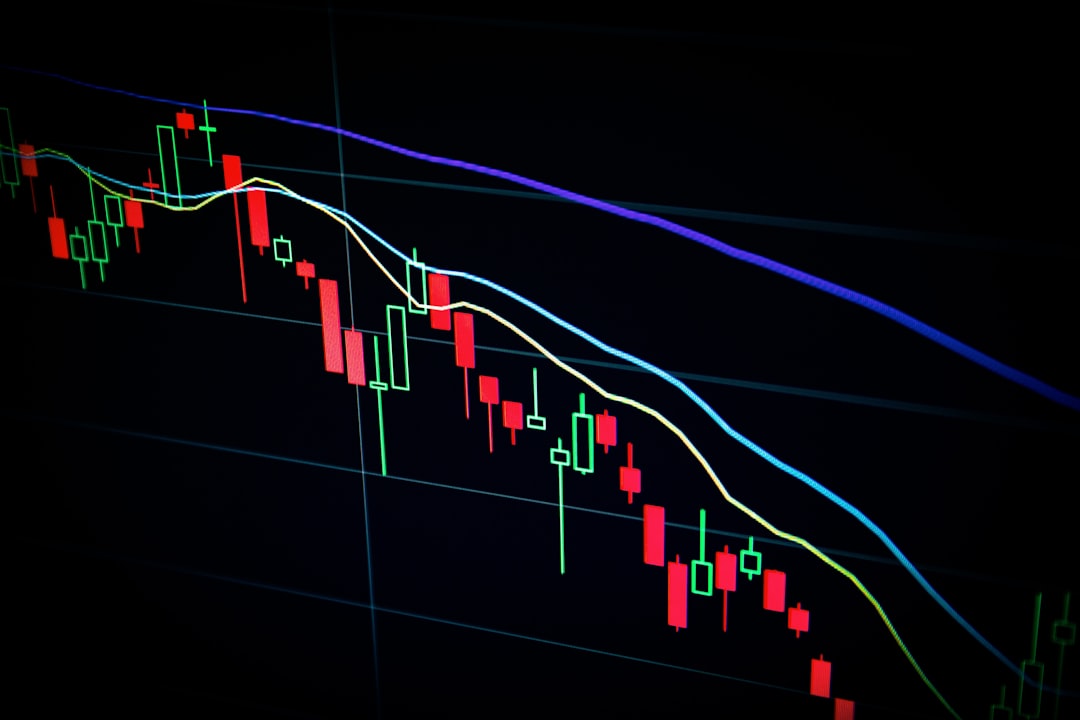
Oil hit $150 a barrel this week, and while most people are panicking at the pump, one trader on Wall Street Bets just threw down $20,000 betting it's all theater.
The trade is brutally simple: buy put options on USO (the oil ETF) expiring in December 2028, betting oil crashes back below $80. The rationale? "Oil was $69 in January," the trader wrote. "Only reason it's at $150 is because of our regard POTUS."
Translation from internet speak: this trader thinks Donald Trump's Iran war posturing is driving a temporary spike, and when the bluster fades, oil comes crashing down. History, they argue, is on their side. Every major oil shock—Gulf War, Iraq War, even the Russia-Ukraine spike—eventually retraced.
But here's what's different this time.
The Strait of Hormuz isn't just temporarily disrupted—it's been closed for weeks. That's 20% of global oil supply offline. Europe's scrambling for alternative suppliers. China and Japan are already rationing fuel in some regions. This isn't a quick fix.
The trader's best-case scenario? Trump cuts a deal, declares victory, and oil plummets as the strait reopens. Worst case? "I lose $20k and we're all in a recession anyways," they wrote. That's the kind of fatalistic logic that actually makes sense when your grocery bill has doubled in six months.
What does this mean for you?
If you're not trading options (and you probably shouldn't be), this is still your problem. Every $10 increase in oil adds roughly 25 cents to the price of a gallon of gas. At $150 oil, we're looking at $5-6 gas nationwide, maybe $7-8 in . That flows through to everything: shipping costs, airfares, food prices.