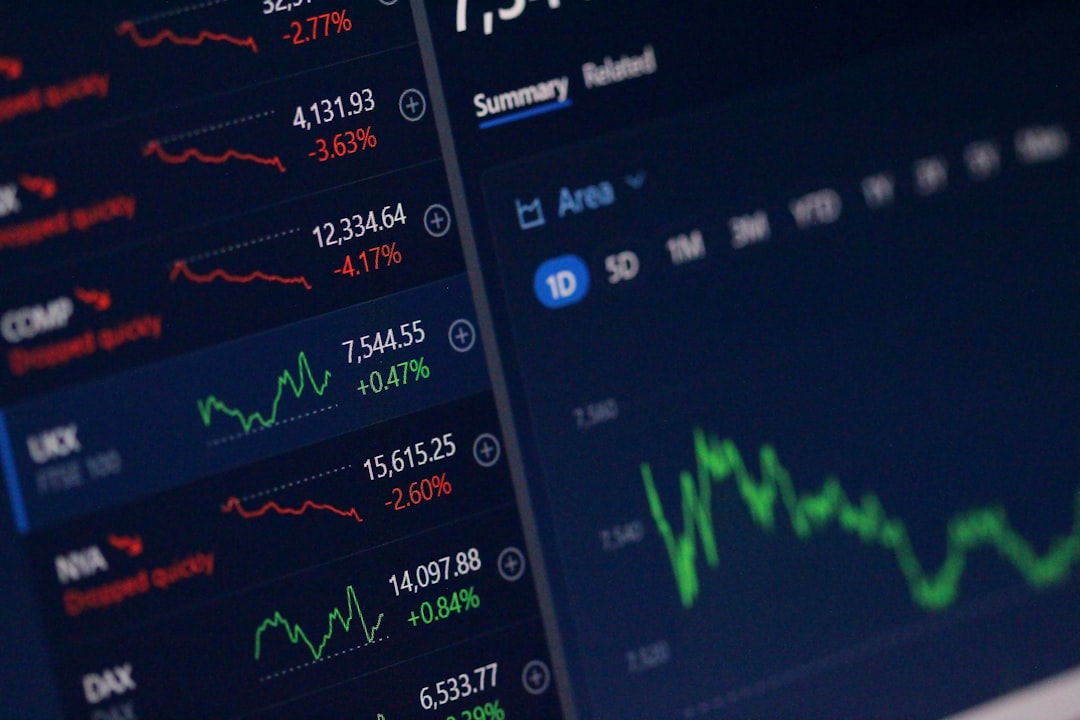
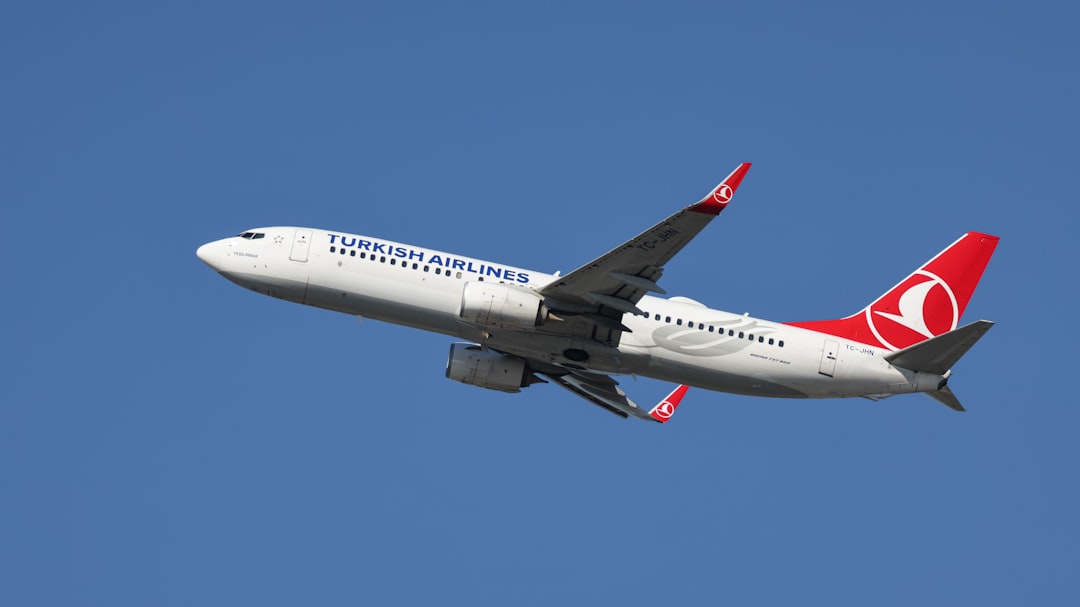
Michael O'Leary doesn't do subtle. The Ryanair CEO went on Bloomberg this week to explain why his airline is going to thrive while the rest of Europe's carriers collapse under $150 oil.
The secret? They locked in 80% of their jet fuel at $67 a barrel through March 2027. While competitors are bleeding cash buying fuel at market rates, Ryanair's sitting pretty with costs locked in at less than half the current price.
"Some of the flaky competitors in Europe will get taken out in carrier baskets by about September/October," O'Leary said, "because they're not hedged on oil and they're borrowed up to their eyeballs in net debt."
He's not wrong. Air Baltic just got a €30 million emergency loan from the Latvia government to limp through the summer. The catch? They have to pay it back in August. O'Leary's response? "Good luck with trying to get that repaid at the end of August."
But here's the thing Wall Street keeps missing.
Hedging isn't a magic shield. If global jet fuel supplies actually dry up—and there were real concerns about that in April—it doesn't matter what price you locked in. You can't burn a futures contract to get to Madrid.
O'Leary addressed this directly. Europe's jet fuel mostly comes from West Africa, the Americas, and Norway. The Strait of Hormuz closure shouldn't hit European supply. Plus, lifting Russian sanctions has eased shortages in Eastern Europe. His takeaway: "There's no issues over jet fuel supply right now through to the end of September."