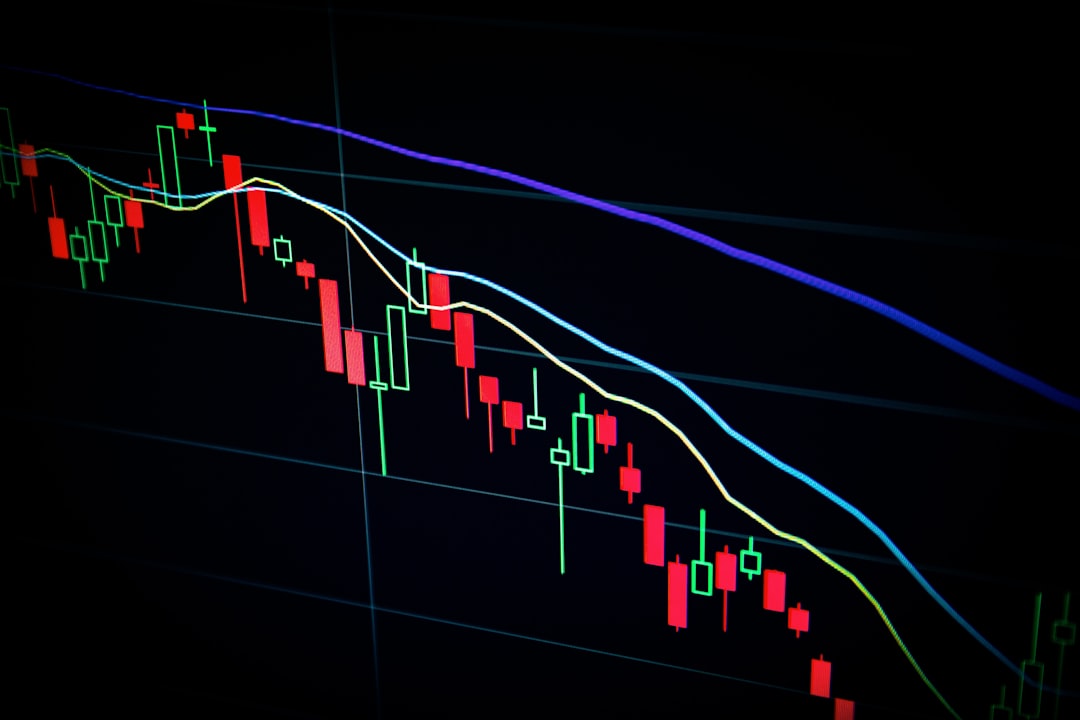
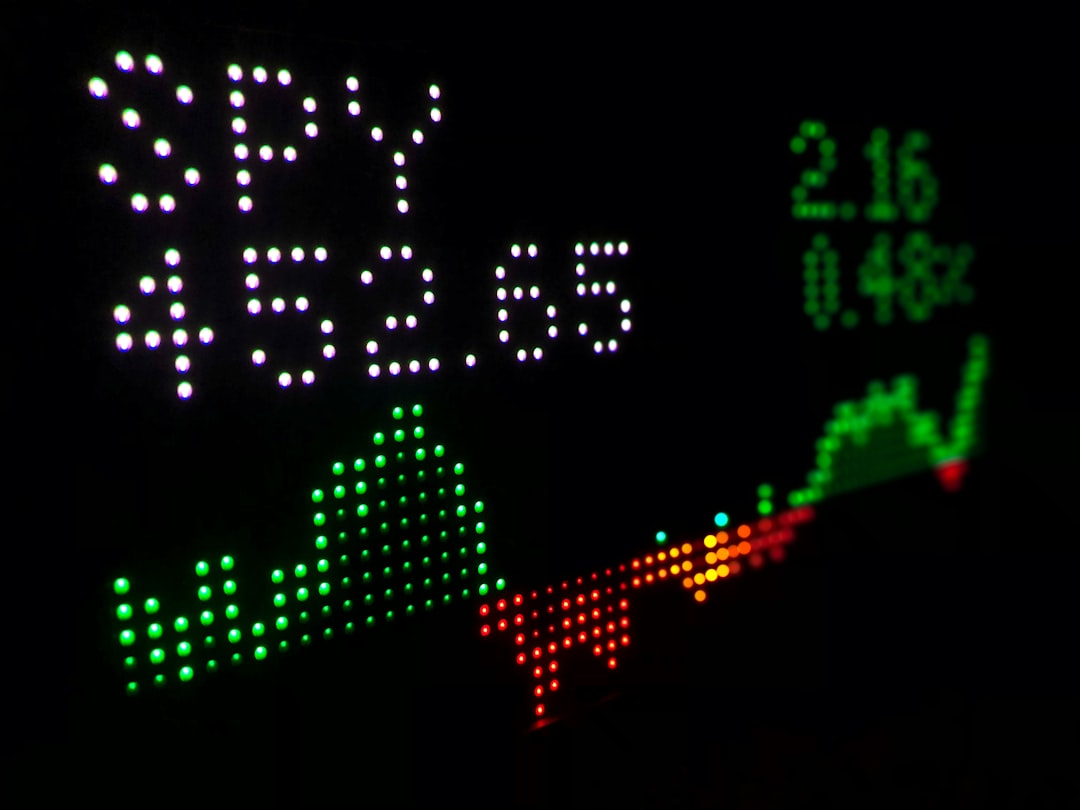
The 10-year Treasury yield is flirting with 5%. The 30-year is above 5.18%, the highest since 2007. These are the kind of numbers that historically send stocks into a tailspin. Yet the S&P 500 is only 2-3% off all-time highs.
Something doesn't add up.
When yields spiked like this last year during Trump's "Liberation Day" tariff tantrum, the market dropped 15%. This time? Barely a shrug. The VIX—Wall Street's fear gauge—is asleep at the wheel. Even rate-sensitive small caps and profitless tech companies, which should be getting crushed by higher borrowing costs, are holding up fine.
So what's changed?
The prevailing theory on trading desks is that investors think Trump will cave. Again. Last April, when the 10-year breached 4.6% and the 30-year hit 5%, Trump publicly blamed rising bond yields for his decision to ease tariffs. He literally cited bond market pain as the reason for policy reversal.
Now yields are higher than they were then. And the Iran war is arguably more destabilizing than tariffs ever were. So the market's bet seems to be: Trump sees the yields, freaks out, and either ends the war quietly or cuts some backroom deal to reopen the Strait of Hormuz.
It's not the craziest theory. Trump is famously obsessed with the stock market as a scorecard for his presidency. If yields keep climbing and the market finally cracks, he has every incentive to declare victory and move on.
But there's a problem with this logic.
The bond market isn't just pricing in temporary war jitters. It's pricing in structural inflation. Japan and China—two of the largest foreign holders of Treasuries—have been for months. That's not about Trump. That's about confidence in debt.