Marine scientists are using the term "regime shift"—and when oceanographers deploy that phrase, you should pay attention. It means an ecosystem isn't just fluctuating; it's fundamentally changing state.
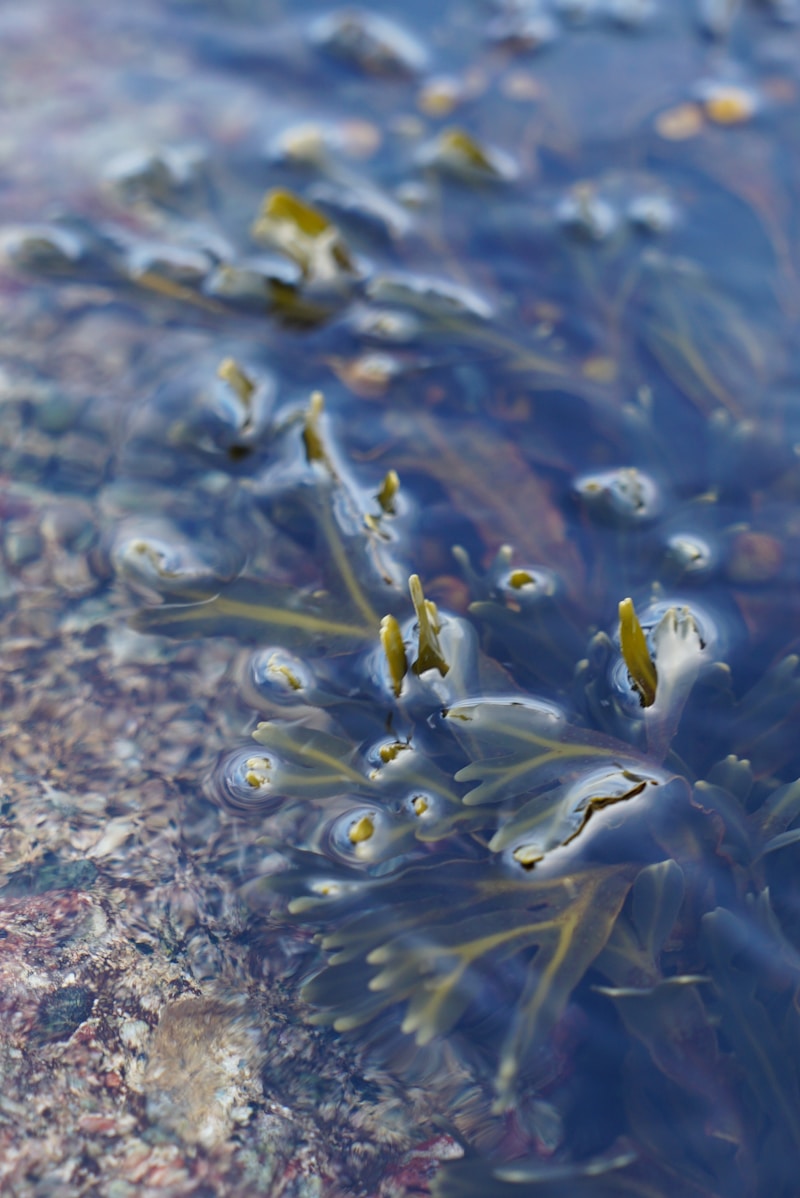
Researchers are tracking explosive growth in seaweed blooms across multiple ocean basins. Unlike temporary algal blooms that come and go with seasonal nutrient pulses, these represent persistent changes in ocean ecology that appear to be spreading geographically.
The term "regime shift" has specific meaning in marine science. It describes inflection points where an ecosystem transitions from one stable state to another—think Newfoundland's Grand Banks, which shifted from cod-dominated to jellyfish-dominated after overfishing and never recovered. Or the Black Sea, which flipped from a balanced system to one dominated by invasive ctenophores in the 1980s.
What makes these events particularly concerning is their persistence. Ecosystems don't just bounce back when conditions improve; the new state becomes self-reinforcing. Seaweed blooms can shade out coral reefs, alter nutrient cycling, and create anoxic zones when the biomass dies and decomposes.
The research published in The Guardian suggests multiple stressors are driving this: warming ocean temperatures, agricultural runoff increasing nutrient loads, and changes in ocean circulation patterns that concentrate nutrients in certain regions.
Now, I need to be honest about limitations here: the Guardian article is behind access restrictions, so I'm working with the report's framing rather than the underlying research papers. That means I can't verify sample sizes, geographic specificity, or which seaweed species are proliferating where.
What we do know from previous research is that massive seaweed blooms have already altered ecosystems in the Caribbean (Sargassum), the Yellow Sea (Ulva), and parts of the North Atlantic. If these events are now being characterized as part of a global regime shift rather than isolated incidents, that represents a significant escalation in concern from the marine science community.