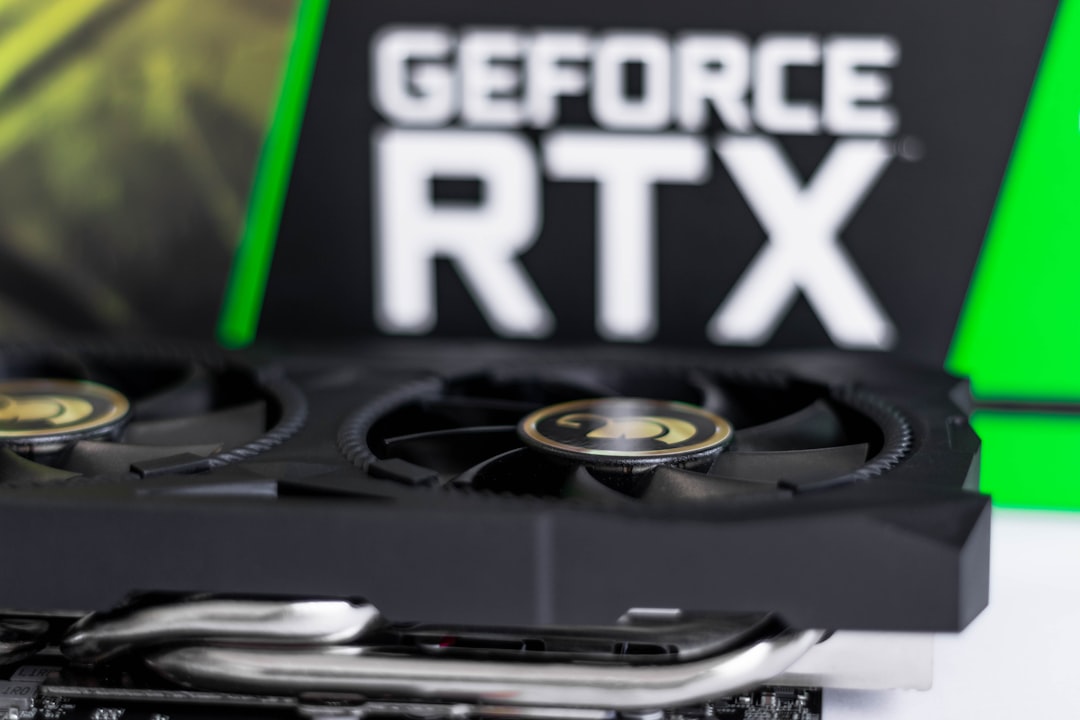
Jensen Huang is not happy that gamers are calling Nvidia's latest graphics technology "AI slop."
The Nvidia CEO pushed back hard against community criticism of DLSS 5, the company's AI-powered frame generation technology. At issue is a fundamental question: when a graphics card uses AI to generate frames that weren't actually rendered, are those "real" pixels or synthetic filler?
Gamers have increasingly adopted the term "AI slop" to describe content that's machine-generated rather than created through traditional processes. It's the same criticism leveled at AI-generated art and text, now applied to gaming. Huang says critics are "completely wrong" to apply that label to DLSS 5.
Here's the technical reality: DLSS 5 uses AI to generate up to three synthetic frames for every one frame the GPU actually renders. This creates impressively high frame rates on benchmarks. What it also creates is a visible quality difference that experienced players can spot, especially in fast motion or competitive scenarios where frame precision matters.
This is about more than gaming. It's a microcosm of the broader AI quality debate happening across creative and technical fields. When your actual users reject your technology as inferior despite impressive benchmark numbers, you have a perception problem that no amount of CEO defensiveness will solve.
Huang's argument is that AI-generated frames are indistinguishable from rendered frames and deliver the same user experience. If that were true, the criticism wouldn't exist. But it does exist, and it's coming from the people who spend thousands of dollars on Nvidia's flagship cards specifically because they care about image quality.
I've reviewed enough hardware to know when marketing claims diverge from user experience. DLSS 5 absolutely delivers higher frame rates. It also introduces artifacts, latency, and visual issues that purists find unacceptable. Both things can be true simultaneously.