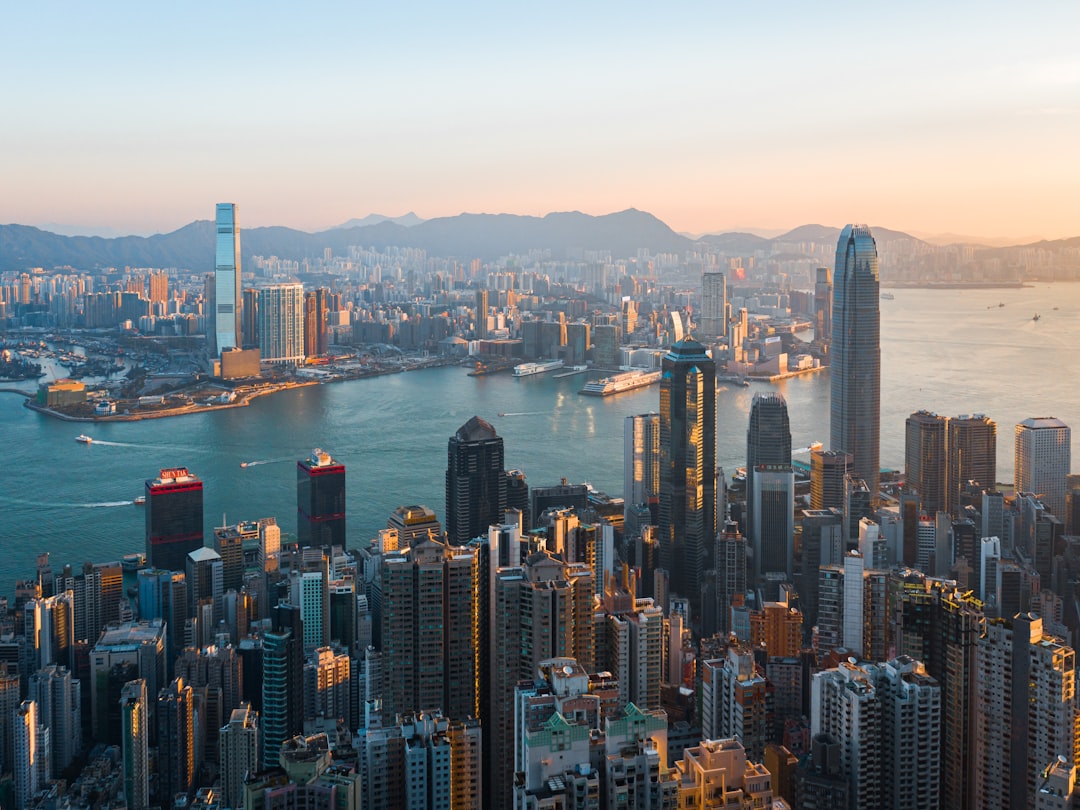

Taipei — Nvidia announced a $150 billion investment in a new research and development campus in Taiwan's Beitou-Shilin district, marking the largest single foreign investment in the island's history and underscoring its irreplaceable role as tensions escalate in the global semiconductor competition.
The campus, designed to accommodate 4,000 employees, represents far more than a corporate expansion. It signals Nvidia's deepening strategic commitment to Taiwan at a moment when the island's semiconductor facilities have become critical geopolitical assets in the intensifying US-China technology rivalry.
The announcement, made Tuesday by CEO Jensen Huang, comes as Washington and Beijing compete for dominance in advanced chip manufacturing. Taiwan produces over 90% of the world's most advanced semiconductors, with TSMC serving as the primary manufacturer for Nvidia's cutting-edge AI chips.
This concentration has transformed the island from an economic powerhouse into what defense analysts increasingly describe as a strategic chokepoint in global technology supply chains.
Nvidia's decision to expand rather than diversify its Taiwan presence contradicts the trend of "de-risking" that has prompted some technology firms to establish alternative supply chains. The company's AI processors, essential for training large language models and powering data centers, depend on TSMC's 3-nanometer and 2-nanometer process technologies—capabilities that remain unmatched globally.
The investment arrives as Japan and South Korea accelerate their own semiconductor initiatives. Tokyo has committed $65 billion to domestic chip production, while Seoul has pledged $230 billion for its semiconductor ecosystem. Yet Nvidia's massive Taiwan commitment suggests confidence that the island's technological lead will persist for years.
said , chairman of TSMC, in a statement welcoming Nvidia's announcement.