A marketing campaign in South Korea has ignited a transpacific protest movement, with Korean Americans bombarding Starbucks headquarters in Seattle with complaint emails over what critics call an insensitive reference to one of modern Korea's darkest chapters.
The controversy centers on Starbucks Korea's "Tank Day" promotion, a phrase that for many Koreans immediately evokes the May 18, 1980 Gwangju Uprising—a pivotal pro-democracy movement brutally suppressed when military forces deployed troops and tanks against civilian demonstrators. The crackdown resulted in hundreds of deaths and became a defining moment in South Korea's struggle for democratization.
For survivors and descendants of those killed in Gwangju, tanks symbolize "violence, fear, and the sacrifice of innocent lives." The decision to use "Tank Day" as a marketing slogan struck many as tone-deaf at best, and deliberately provocative at worst.
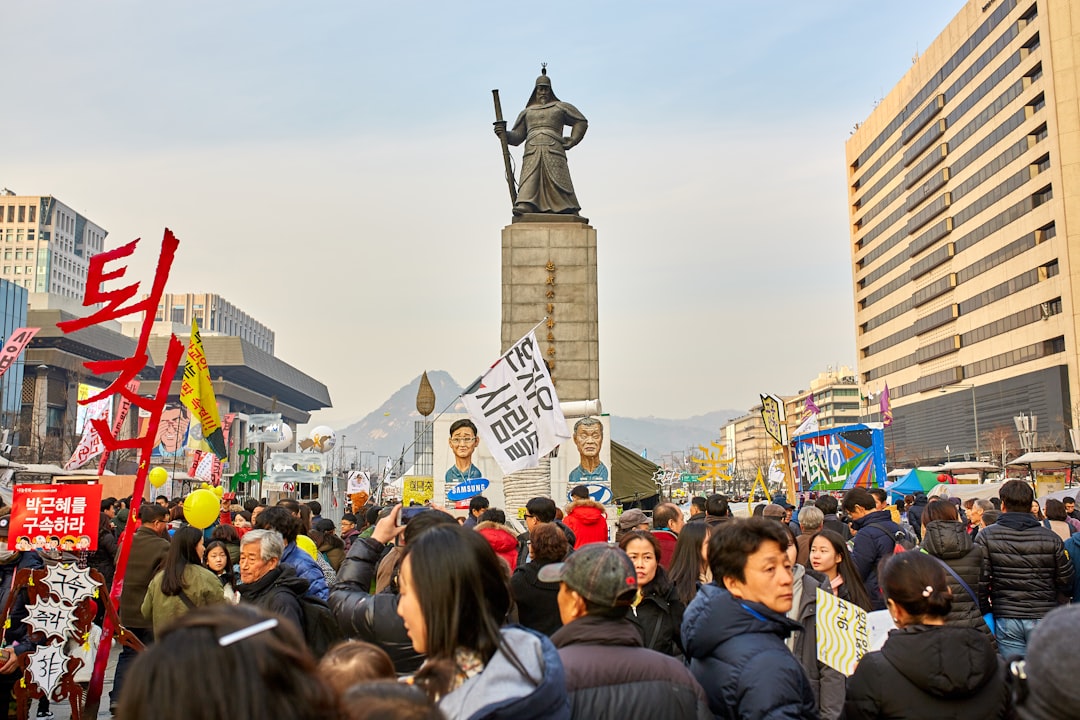
The backlash spread rapidly through MissyUSA, an online community for overseas Koreans, where users shared email templates in both Korean and English urging corporate accountability. One participant described how the campaign "changed the way she viewed the Starbucks brand itself," stating that "the Starbucks name itself is now tied to the controversy" in her mind. Another protester said she could "no longer bring myself to drink it."
The organized email campaign represents a broader pattern in Korean diaspora activism: leveraging digital networks to amplify historical grievances and demand recognition from global corporations. Similar movements have targeted Japanese companies over wartime forced labor and comfort women issues, demonstrating the enduring power of historical memory in shaping consumer behavior.
Chung Yong-jin, chairman of Shinsegae Group—which operates Starbucks franchises in South Korea through a licensing agreement—issued a public apology as the controversy escalated. Starbucks Korea dismissed its CEO and launched an internal investigation into how the marketing campaign was approved.
Starbucks' US headquarters acknowledged the matter's seriousness, indicating it was monitoring the situation closely. The company faces a delicate balancing act: addressing Korean concerns without appearing to micromanage a franchise partner's operations, while protecting brand reputation in both markets.
The Gwangju Uprising remains emotionally raw for many Koreans despite the passage of more than four decades. The democratization movement of the 1980s—of which Gwangju was the bloodiest episode—transformed South Korea from military dictatorship to thriving democracy. For participants and their families, the memory of that struggle carries profound moral weight.
Historical trauma continues to shape consumer politics across East Asia, where companies increasingly find themselves navigating complex sensitivities around wartime legacies, authoritarian pasts, and national identity. What might appear as routine marketing in one context can trigger powerful emotional responses rooted in collective memory.
In Korea, as across dynamic Asian economies, cultural exports and technological leadership reshape global perceptions—even as security tensions persist. Yet this controversy serves as a reminder that historical memory remains a potent force, capable of mobilizing diaspora communities and challenging even the most ubiquitous global brands.
The Starbucks boycott movement shows no signs of abating, with Korean American activists vowing to maintain pressure until the company issues a formal apology and implements cultural sensitivity training for its Korean operations. For many participants, the campaign has become about more than coffee—it's about ensuring that the sacrifices of Gwangju are not forgotten or trivialized in pursuit of commercial gain.