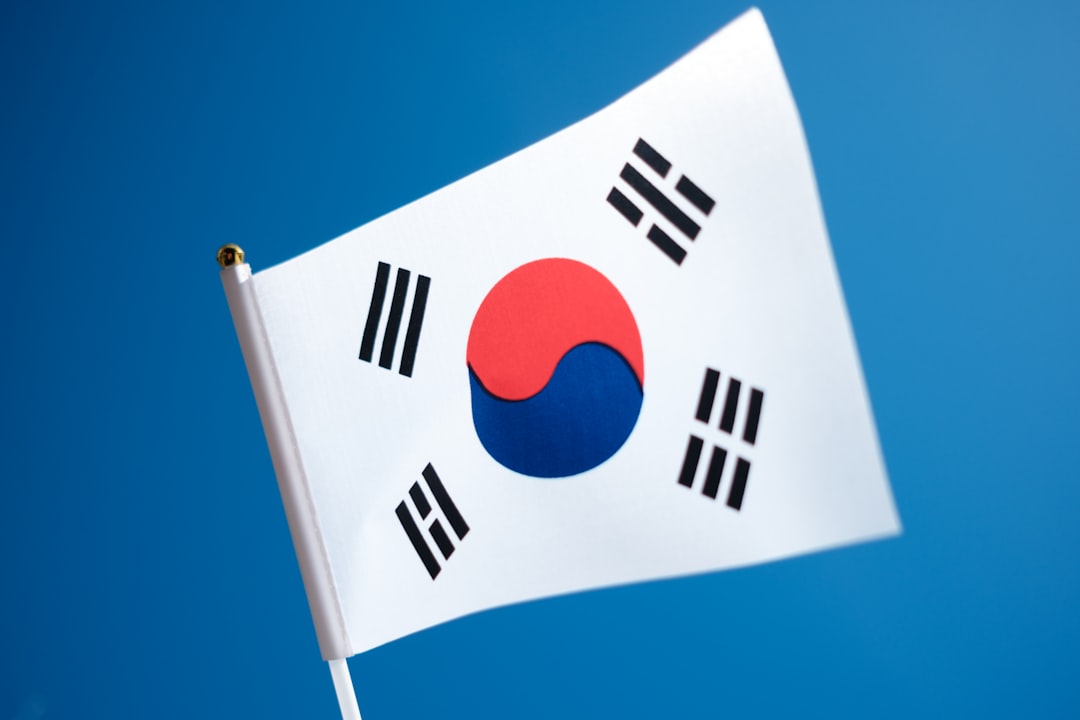
South Korea's benchmark KOSPI index has surged nearly 100% in 2026, climbing above 8,400 for the first time as artificial intelligence chip demand drives the country's biggest market rally in decades.
The extraordinary gains, rivaling the Nasdaq 100's dotcom-era performance, have been fueled almost entirely by two companies: Samsung Electronics and SK Hynix. This week, SK Hynix crossed the $1 trillion market capitalization threshold, a milestone that underscores the company's central role in the global AI infrastructure buildout. The two semiconductor giants now comprise nearly half of the KOSPI by market capitalization.
"Demand for high-bandwidth memory chips used in Nvidia AI systems continues to outpace supply," noted industry analysts tracking the sector. SK Hynix, in particular, has emerged as a critical supplier of specialized memory components essential for training large language models and powering AI data centers.
Leveraged semiconductor ETFs tracking Korean chipmakers have attracted significant inflows from both retail and institutional investors seeking exposure to the AI boom. The enthusiasm mirrors the global frenzy around artificial intelligence, with South Korean firms positioned as essential links in the supply chain alongside Taiwan's TSMC and United States-based Nvidia.
Yet the rally has exposed a structural vulnerability increasingly familiar to observers of East Asian markets. Similar to Taiwan's heavy dependence on TSMC—which alone represents more than 30% of that island's stock market—South Korea's index concentration presents risks. The KOSPI's performance now hinges on a small number of semiconductor companies, raising questions about portfolio diversification and economic resilience.
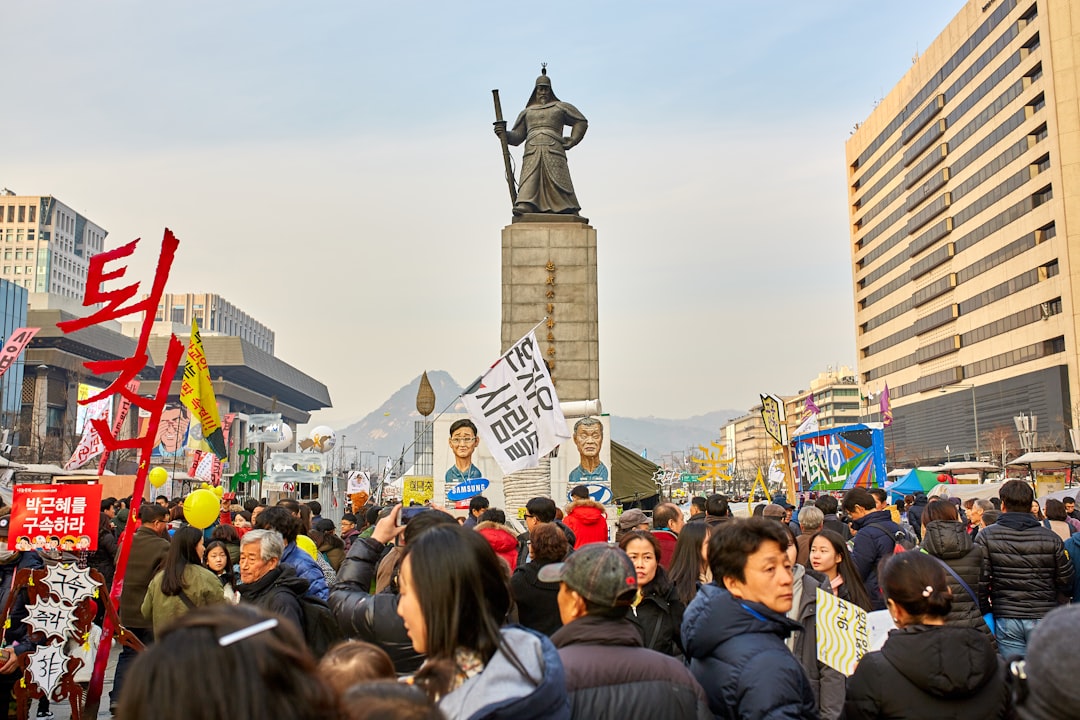
"Is Korea too dependent on chips?" has become a recurring question in Seoul's financial district. The concern is not merely theoretical: any slowdown in AI chip demand, geopolitical disruption to supply chains, or intensification of the US-China technology competition could disproportionately impact South Korean equities.
In Korea, as across dynamic Asian economies, cultural exports and technological leadership reshape global perceptions—even as security tensions persist. The semiconductor boom has reinforced South Korea's position as a technology powerhouse, yet it also highlights the country's strategic exposure in an era of great power competition over critical technologies.
The rally comes as both Washington and Beijing intensify efforts to secure semiconductor supply chains, with South Korean firms caught between competing demands from their largest trading partner (China) and their security ally (the United States). Seoul has sought to balance these pressures, participating in US-led chip alliances while maintaining commercial ties with Chinese manufacturers.
For now, investor enthusiasm shows no signs of abating. The AI infrastructure buildout continues to drive orders for high-bandwidth memory, and South Korean chipmakers remain indispensable suppliers. But the concentration risk looms large—a reminder that even the most spectacular rallies can expose underlying fragilities in national economic structures.