
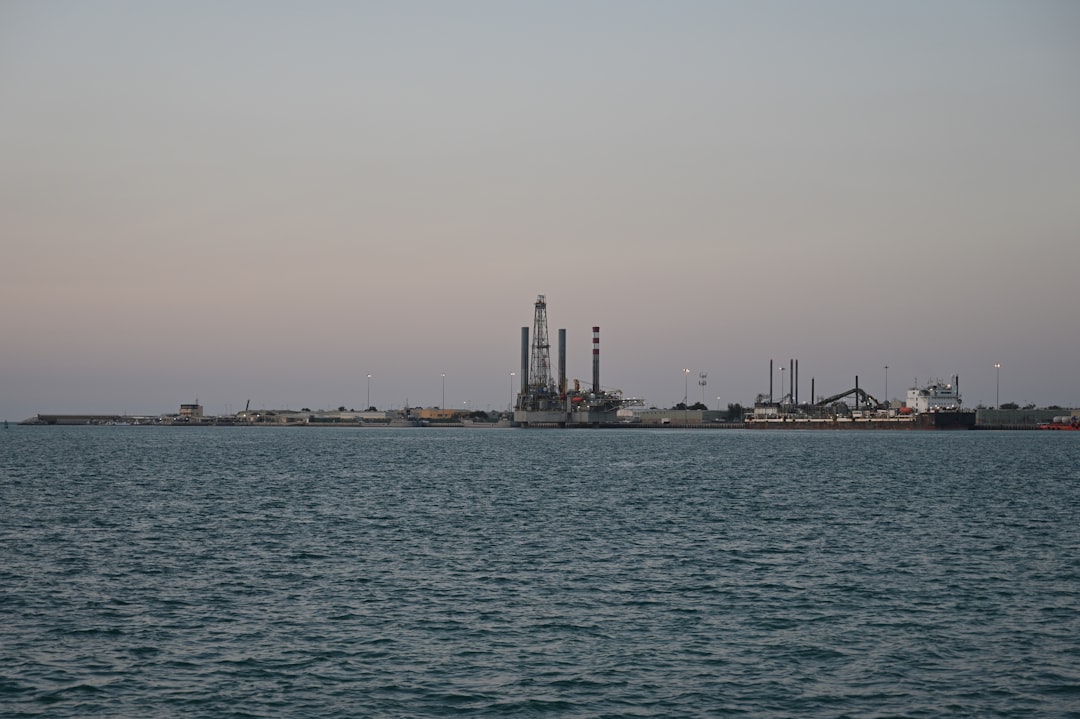
Emissions from North Sea oil and gas operations are significantly higher than previously reported, according to new research that arrives as the UK government debates the future of offshore drilling licenses—revealing a climate accounting gap that could reshape energy policy decisions.The findings, reported by i News, indicate that actual emissions from offshore platforms exceed official estimates, raising questions about the climate impact calculations used to justify continued extraction in British and Norwegian waters.Methane leakage—a greenhouse gas with 80 times the warming power of carbon dioxide over a 20-year period—appears substantially underestimated in industry reporting. Venting, flaring, and fugitive emissions from aging infrastructure contribute to the gap between declared and measured emissions.The revelation carries immediate policy implications. The UK government faces mounting pressure over its approach to North Sea licensing, with climate advocates arguing that new extraction contradicts the nation's net-zero commitments. Underestimated emissions strengthen the case that continued North Sea development undermines climate targets more severely than acknowledged.In climate policy, as across environmental challenges, urgency must meet solutions—science demands action, but despair achieves nothing. Accurate emissions accounting represents a prerequisite to effective climate policy, not an obstacle to energy security.The North Sea has produced oil and gas for over five decades, making it among Europe's most mature petroleum provinces. Aging infrastructure increases emissions through equipment degradation, inefficient combustion, and higher maintenance requirements. Wells and platforms built in the 1970s and 1980s now face structural challenges that contribute to methane leakage.Industry representatives have historically argued that North Sea production generates lower emissions than alternatives, justifying continued extraction as a "transition fuel" solution. If emissions prove higher than claimed, this transition narrative loses credibility—domestic production may offer no climate advantage over imported alternatives.The underreporting extends beyond methane to include nitrogen oxides, volatile organic compounds, and particulate matter—pollutants with both climate and health implications. Atmospheric scientists using satellite monitoring and direct measurement campaigns have detected discrepancies between industry-reported figures and observed emissions.European energy policy increasingly confronts the tension between energy security—heightened by geopolitical instability—and climate commitments. Norway, Europe's largest oil producer, has positioned its gas as essential to continental energy security while simultaneously pursuing aggressive domestic decarbonization. Revised emissions data complicates this narrative.The UK Climate Change Committee, which advises the government on net-zero pathways, has repeatedly cautioned that new oil and gas development risks incompatibility with Paris Agreement targets. Emissions underestimates would strengthen the Committee's position that phasing out North Sea extraction should accelerate rather than extend.Accurate emissions measurement matters not only for climate accounting but for carbon pricing mechanisms. If emissions are higher than reported, the effective carbon price applied to North Sea operations has been too low—creating an implicit subsidy for fossil fuel extraction through accounting gaps.Environmental campaigners argue the findings should trigger an immediate moratorium on new drilling licenses. "We cannot make sound policy decisions based on faulty data," stated Tessa Khan, director of climate litigation organization Uplift. "If North Sea emissions are worse than claimed, the case for new licenses collapses entirely."The oil and gas industry counters that domestic production remains preferable to imports on emissions grounds, even with revised figures. Proponents emphasize that shipping liquefied natural gas from Qatar or the United States generates additional transportation emissions, though this calculation depends heavily on the magnitude of North Sea underreporting.Technical solutions exist to reduce offshore emissions: improved leak detection, methane capture systems, electrification of platforms using renewable power, and enhanced flaring efficiency. The question is whether retrofitting aging infrastructure proves economically viable compared to accelerated decommissioning.The research highlights a broader challenge in climate policy: emissions accounting methodologies designed in earlier decades may inadequately capture actual atmospheric impact. As measurement technology improves—through satellites, drones, and advanced sensors—gaps between reported and real emissions become visible.For the UK, the findings arrive amid pivotal decisions on energy policy. The government must soon determine whether to approve new drilling licenses in the North Sea, with climate impact assessments forming a central component of that decision-making process. Underestimated emissions substantially alter that calculation.Climate science demands that policy respond to the best available evidence. If that evidence shows North Sea emissions exceed previous estimates, energy policy must adjust accordingly—not through denial or minimization, but through honest reckoning with what the data reveals about the climate cost of continued extraction.
|