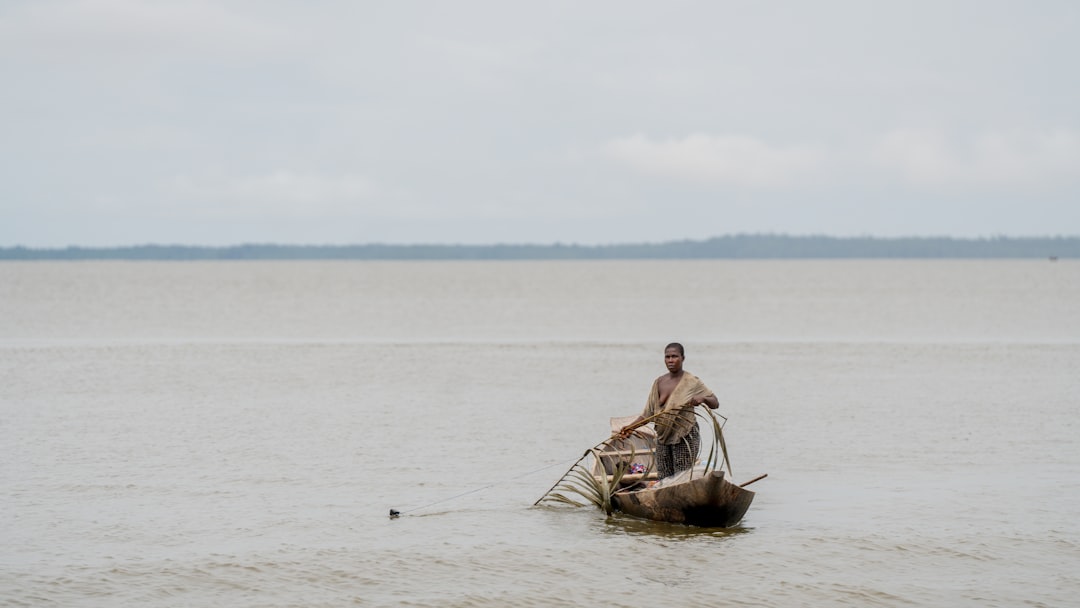
The waters of Lagos Lagoon in Nigeria once teemed with fish, crabs, and periwinkles that sustained thousands of fishing families for generations. Now, fishers pull up nets that come back nearly empty, victims of what marine biologists warn is an ecosystem approaching collapse.
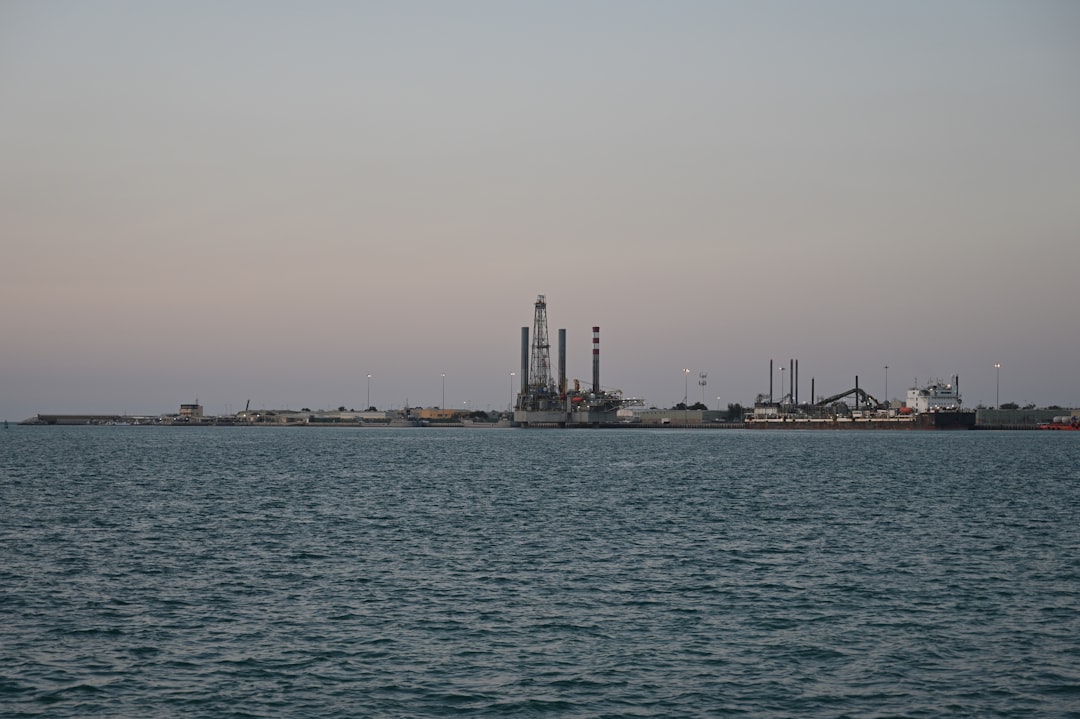
The crisis stems from intensive dredging operations connected to coastal development and sand mining, which have fundamentally disrupted the lagoon's ecology. Dredging stirs up sediment that smothers seagrass beds where juvenile fish shelter, blocks sunlight that marine plants need for photosynthesis, and alters water chemistry in ways that drive away species unable to adapt to the rapidly changing conditions.
For communities that have fished these waters for generations, the transformation has been devastating. "The water is no longer our friend," one fisher told researchers documenting the decline. Catches that once filled boats now barely fill baskets. Species that were once abundant have become rare or disappeared entirely. Young people who would have followed their parents into fishing are leaving for cities, seeking other livelihoods as the lagoon fails to provide.
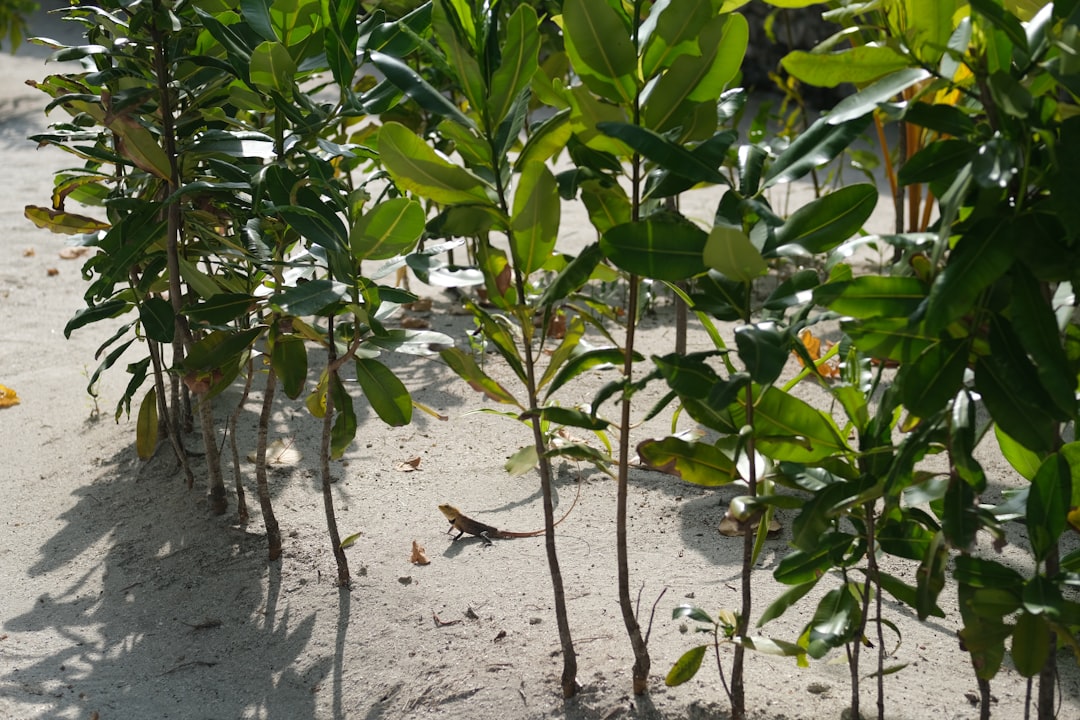
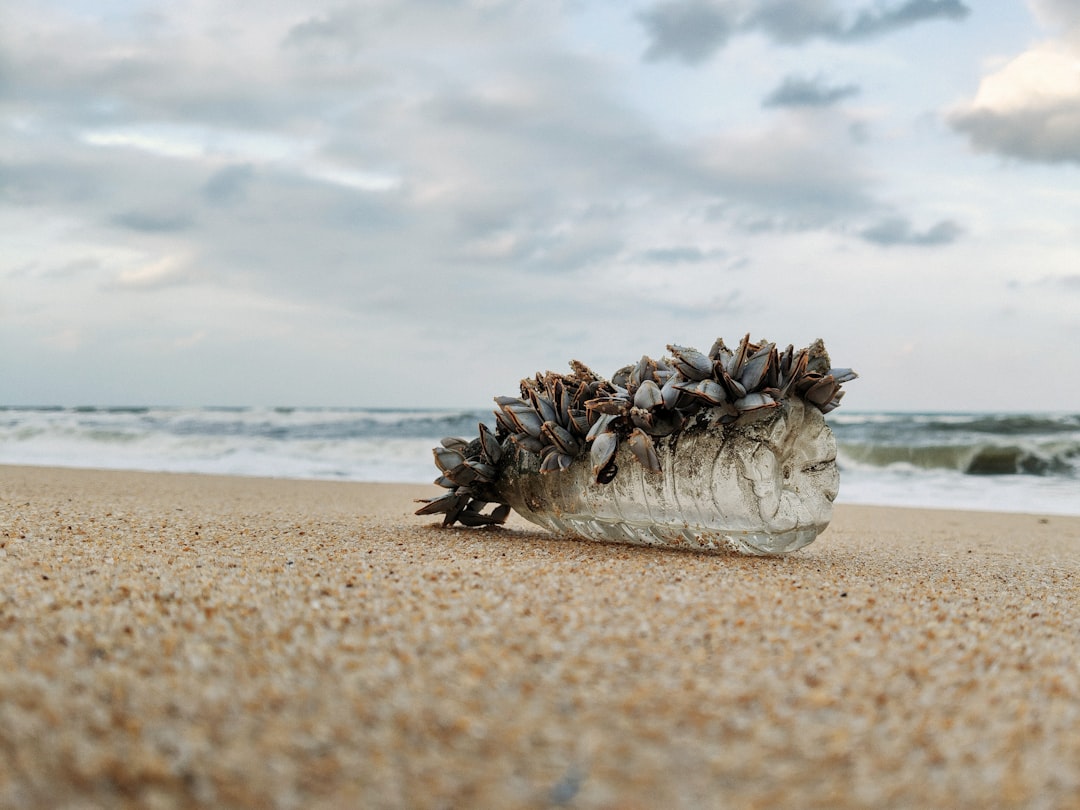
The ecological impacts extend beyond declining fish stocks. Mangrove forests that fringe the lagoon—vital nurseries for marine life and natural storm barriers—are being cleared for development. Water quality has deteriorated as industrial and urban waste overwhelms the lagoon's natural filtration capacity. Invasive species are moving into the degraded ecosystem, further displacing native marine life.
The tension between development and environment plays out with particular intensity in Lagos, Africa's largest city, where population growth and economic pressure drive constant expansion. Dredging projects are often justified as necessary for port development, flood control, and infrastructure—benefits that accrue primarily to those far from the lagoon's shores, while fishing communities bear the environmental and economic costs.
In nature, as across ecosystems, every species plays a role—and humanity's choices determine whether the web of life flourishes or frays. The Lagos Lagoon crisis illustrates how development projects that ignore ecological consequences can destroy the natural systems that coastal communities depend upon for survival.
Marine biologists studying the lagoon warn that without immediate intervention, the ecosystem may reach a tipping point from which recovery becomes extremely difficult. Once seagrass beds are destroyed and fish breeding grounds eliminated, restoring them requires decades of effort and substantial investment—if it's possible at all.
Yet the situation isn't entirely hopeless. Conservation advocates are pushing for sustainable dredging practices that minimize sediment disturbance, protective zones where marine life can recover, and better enforcement of existing environmental regulations. Some development projects have begun incorporating ecological assessments, though implementation remains inconsistent.
Community organizations are also mobilizing, documenting the lagoon's decline and advocating for policies that balance development needs with ecosystem protection. They argue that destroying the lagoon undermines long-term economic stability—the fishing industry provides livelihoods for thousands of families and food security for millions more.
The Lagos Lagoon crisis resonates far beyond Nigeria. Coastal ecosystems worldwide face similar pressures as cities expand and development accelerates. The question isn't whether coastal areas will develop—they will—but whether that development can occur in ways that preserve rather than destroy the natural systems that make coastal regions productive and resilient.
For the fishing families watching their livelihoods disappear into cloudy, depleted waters, that question isn't academic—it's existential. The lagoon that once sustained them is being sacrificed to development that offers them little benefit. Their catches dwindle. Their children leave. Their connection to waters their ancestors fished for centuries is being severed by decisions made without their input or consent.
The path forward requires recognizing that healthy ecosystems and human prosperity aren't opposing interests—they're fundamentally linked. Protecting the lagoon's remaining marine habitats, regulating dredging to minimize ecological damage, and involving fishing communities in development decisions would serve both conservation and economic goals. The alternative is an ecosystem collapse that leaves everyone poorer, except those who've already extracted what they needed and moved on.