Along the coast of Koh Kong Province, Cambodia, a remarkable transformation has unfolded over the past two decades—one that demonstrates how restoring nature's infrastructure can revive collapsed ecosystems and the communities that depend on them.
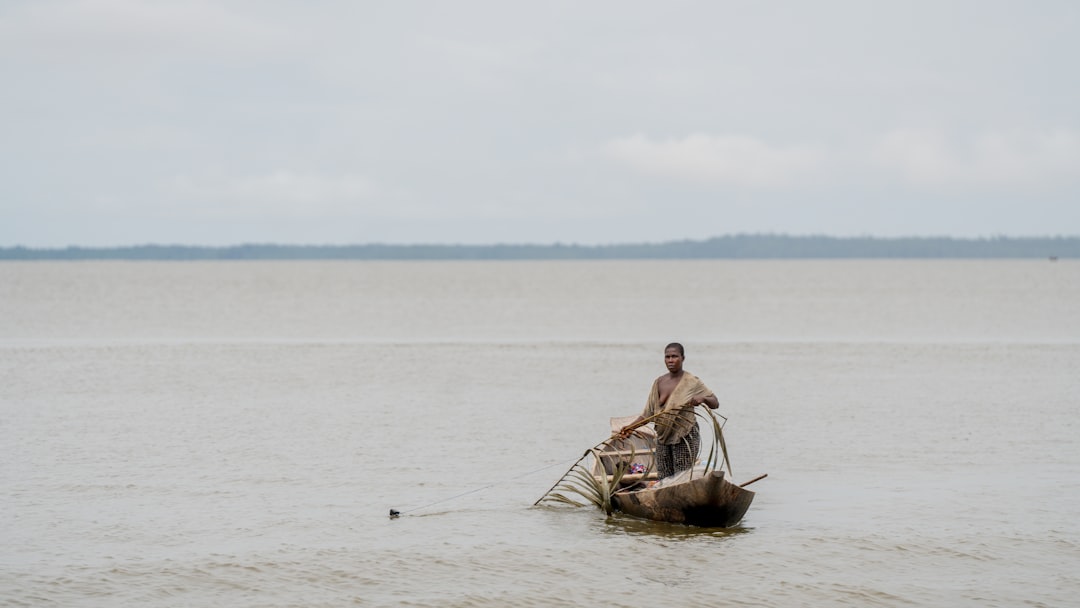
What was once a barren coastline stripped of mangrove forests is now a thriving green corridor teeming with fish, crabs, and mollusks. Local fisheries that had been pushed to the brink of collapse have rebounded, providing sustainable livelihoods for thousands of families who had watched their catches dwindle to almost nothing.
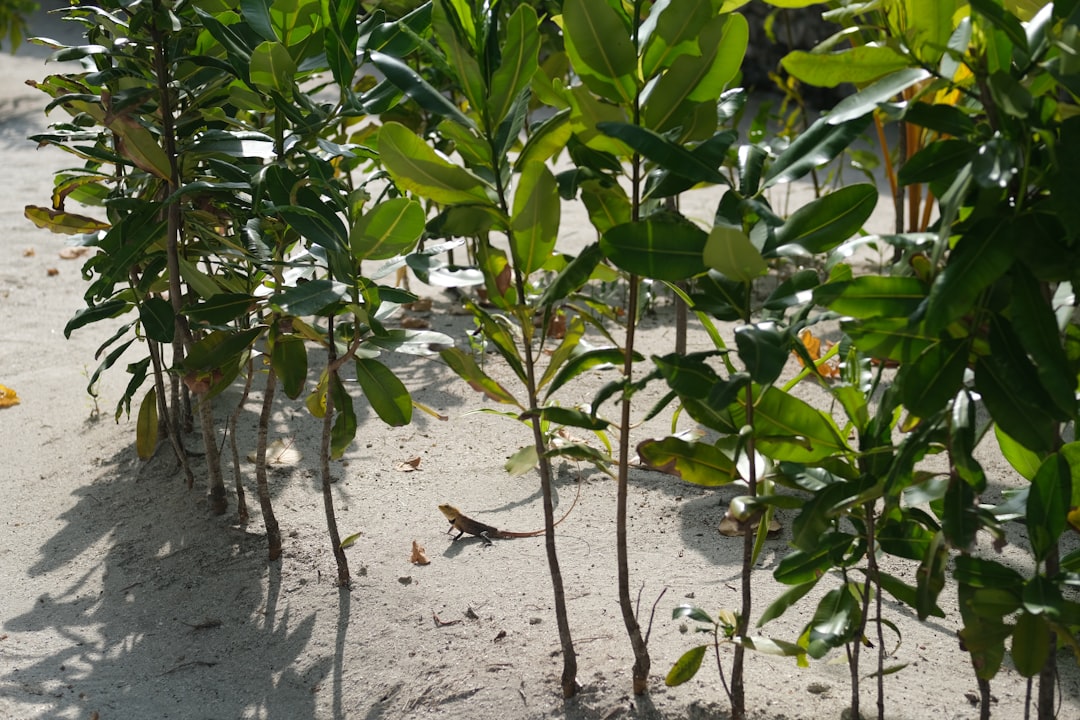
The recovery began in the early 2000s when community groups, working with conservation organizations, started replanting mangrove seedlings in areas devastated by logging and coastal development. Mangrove forests—those remarkable trees that thrive where saltwater meets land—serve as nurseries for countless marine species, natural buffers against storms, and vital carbon sinks.
The results speak to the resilience of nature when given the chance to recover. Fish populations that use mangroves as breeding grounds have returned in numbers not seen in decades. Species diversity has increased. Local communities report catches that are both larger and more consistent than during the barren years.
But this isn't just a story about trees and fish—it's about human-wildlife coexistence that benefits both. The restored mangroves provide protection from increasingly severe coastal storms, a service that becomes more valuable as climate change intensifies weather patterns. They filter pollutants from coastal waters. They sequester carbon dioxide from the atmosphere at rates that rival tropical rainforests.
In nature, as across ecosystems, every species plays a role—and humanity's choices determine whether the web of life flourishes or frays. The Cambodia mangrove restoration demonstrates that conservation succeeds when it directly improves people's lives. Fishers who once viewed conservation efforts with skepticism have become its most ardent advocates, because they've seen their catches—and incomes—recover alongside the forests.
The model is now being replicated across Southeast Asia and beyond. Coastal communities in Indonesia, Vietnam, and the Philippines are implementing similar restoration projects, recognizing that healthy mangroves mean healthy fisheries. International conservation funding has increasingly shifted toward nature-based solutions that deliver both environmental and economic benefits.
Yet challenges remain. Climate change threatens mangrove ecosystems through sea-level rise and changing salinity patterns. Development pressure continues along many coasts. Restoration requires sustained effort and funding over years, not months. Some degraded areas prove difficult to restore if coastal hydrology has been fundamentally altered.
The Cambodia success story offers crucial lessons for coastal communities worldwide facing similar ecological and economic challenges. It shows that conservation and development need not be opposing forces—when done thoughtfully, restoring nature can be the foundation for sustainable prosperity. The fishers of Koh Kong Province didn't need to choose between environment and economy; restoring one restored the other.
As coastal ecosystems worldwide face mounting pressures from climate change, overfishing, and development, the mangrove restoration model provides both hope and a practical blueprint. The web of life, when given support rather than further stress, demonstrates remarkable capacity to recover—bringing fish back to the nets, stability to the shoreline, and optimism to communities that had nearly lost both their livelihoods and their connection to the sea.