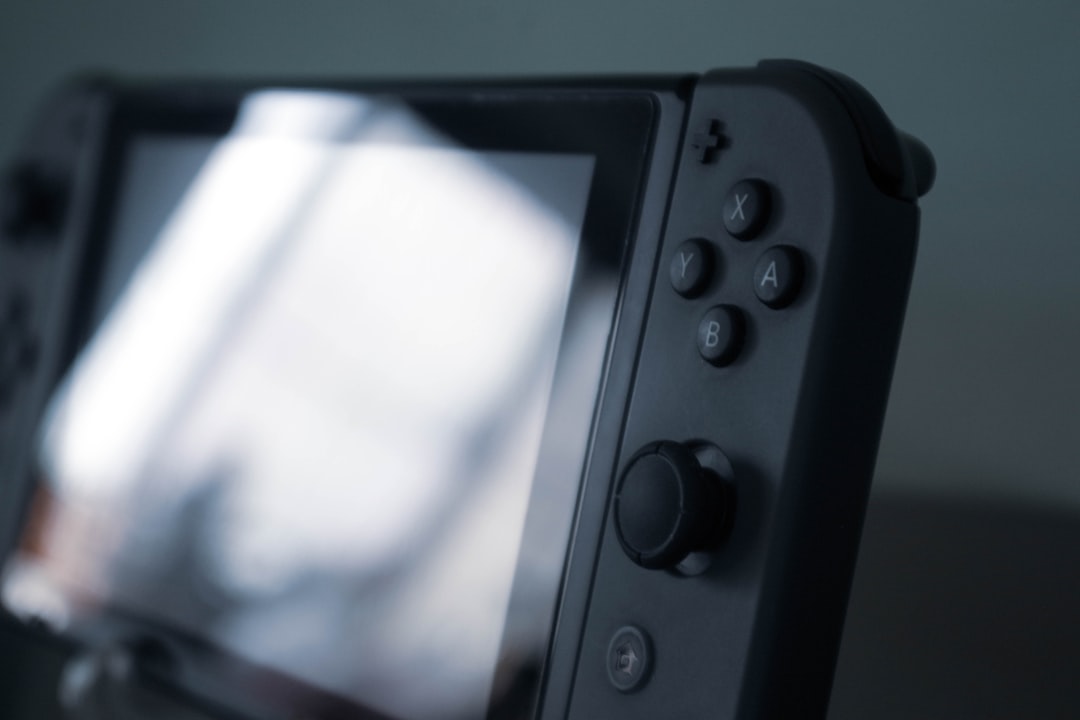
Nintendo has filed a lawsuit against the U.S. government seeking a refund on tariffs the company paid on imported gaming hardware—a case that could have broader implications for how electronics companies navigate trade policy and whether they can retroactively challenge tariff classifications.
The lawsuit, filed in the U.S. Court of International Trade, argues that Nintendo overpaid tariffs on certain gaming products that were improperly classified under trade regulations. The company is seeking a refund of duties paid, though the exact amount hasn't been publicly disclosed. Given Nintendo's import volumes—the company ships millions of Switch consoles and accessories to the U.S. annually—even small percentage differences in tariff rates could add up to significant money.
Here's what makes this interesting beyond the specific dollar amounts: It's Nintendo directly challenging U.S. customs classifications, arguing that the government incorrectly categorized their products and therefore charged the wrong tariff rate. That's a bold move for a company that depends on good relations with U.S. regulators and smooth import processes.
The lawsuit appears to focus on how gaming hardware is classified under trade rules. Gaming consoles occupy a weird space in tariff schedules—are they computers? Entertainment devices? Something else? The classification matters because different categories carry different duty rates, and small changes in categorization can mean millions in additional costs.
Nintendo isn't the first gaming company to fight these battles. Console manufacturers have been arguing over tariff classifications for decades, and the lines keep shifting as products evolve. The Switch, with its hybrid console-handheld design, doesn't fit neatly into traditional categories, which probably contributed to whatever classification dispute led to this lawsuit.
The timing is notable. U.S. trade policy remains volatile, with tariffs on Chinese imports still in effect and new trade tensions emerging. Most companies quietly negotiate with customs officials or absorb the costs rather than publicly sue the government. choosing litigation suggests either a particularly egregious classification error or a strategic decision that the legal fight is worth the relationship risk.