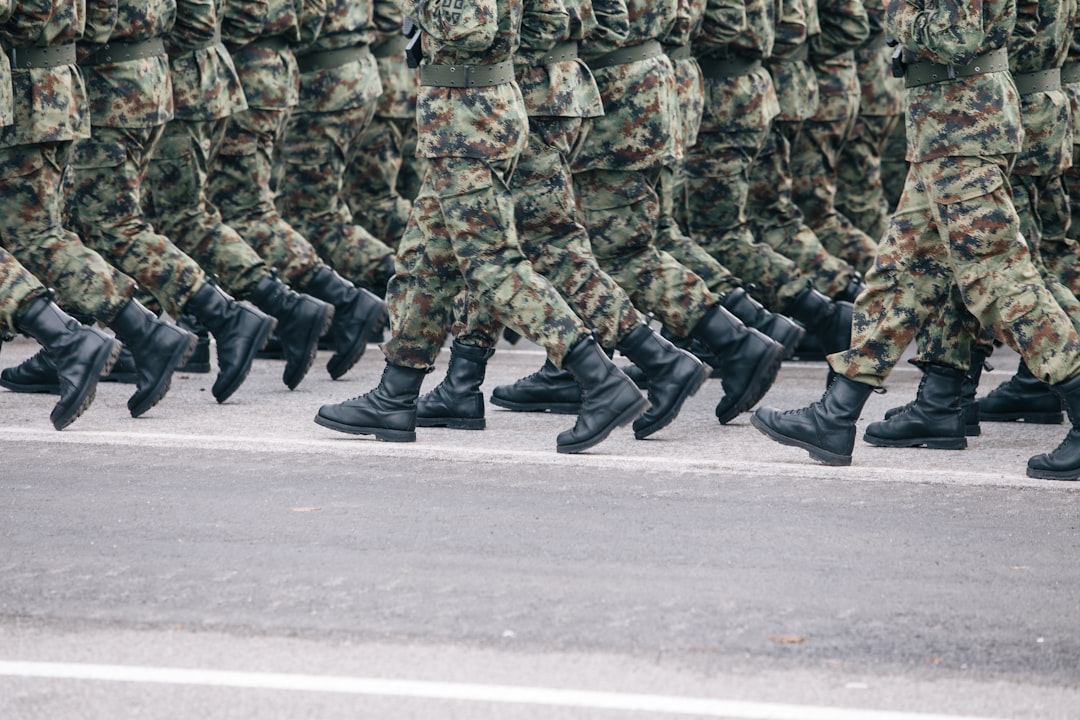
A video circulating on Nigerian social media shows newly recruited military personnel openly celebrating their future ability to beat and harass civilians with impunity, exposing a toxic institutional culture that treats public service as an opportunity for abuse rather than protection.
In the footage, young recruits in military uniform laugh and boast about their anticipated power over ordinary Nigerians, discussing plans to mistreat civilians without facing accountability. The casual, celebratory tone—treating abuse as a perk of the job rather than a crime—has shocked Nigerians already exhausted by security force brutality.
"This is what they're excited about? Not defending the country, not fighting Boko Haram—harassing civilians," said Aisha Mohammed, a civil rights activist in Lagos. "These aren't rogue individuals. This is the culture they're being recruited into."
The video emerges amid renewed scrutiny of Nigerian security forces following multiple high-profile incidents of abuse. It provides a rare window into the mindset of recruits before deployment—and suggests that institutional problems begin during training rather than developing in the field.
Military reform advocates have long argued that Nigeria's security institutions cultivate authoritarian attitudes among personnel, treating civilians as subjects to be controlled rather than citizens to be protected. The recruit video offers disturbing confirmation: abuse isn't an unfortunate byproduct of difficult field conditions, it's an attraction for those joining.
"They're not joining to serve. They're joining to dominate," said Dr. Chukwudi Obioma, who studies security sector governance at the University of Ibadan. "When harassment is a recruiting incentive rather than a dismissal offense, you have a systemic cultural failure."
The Nigerian military operates largely without effective civilian oversight. Despite constitutional provisions and paper reforms following the #EndSARS protests against police brutality in 2020, accountability mechanisms remain weak. Soldiers and police who abuse civilians rarely face meaningful consequences, creating the impunity culture the recruits celebrate.
That impunity has deadly consequences. Security forces routinely brutalize citizens at checkpoints, extort money through threats of violence, and respond to criticism with escalating force. The 2020 Lekki Toll Gate massacre, where soldiers opened fire on peaceful protesters, remains the most internationally visible incident—but represents just one example of systemic violence.
"Every Nigerian has a checkpoint story," said Mohammed. "Being slapped, watching soldiers beat someone, paying bribes to avoid detention. It's so normalized that recruits think it's what they're signing up for."
The video has sparked calls for comprehensive military reform addressing institutional culture, training curricula, and accountability systems. Civil society groups argue that Nigeria cannot resolve its security challenges while security forces view the population they're meant to protect as targets for abuse.
"You can't fight insurgency while harassing civilians," Dr. Obioma explained. "Every person beaten at a checkpoint becomes less likely to provide intelligence. Every community brutalized by soldiers becomes more sympathetic to rebels. This culture doesn't just violate human rights—it undermines security operations."
The Nigerian Defense Ministry has not commented on the video or announced any investigations. That silence itself speaks volumes about institutional priorities: abuse by recruits generates less concern than criticism of the military.
Defense of Nigeria requires not just weapons and training, but legitimacy. Security forces that prey on civilians forfeit the public trust necessary for effective operations. In insurgency-plagued northeastern Nigeria, military brutality has driven communities toward extremist groups offering protection from government forces—a tragic irony that undermines counterterrorism strategy.
The recruit video also complicates Nigeria's international military partnerships. Western nations providing training and equipment to Nigerian forces face awkward questions about whether their support enables human rights violations. Evidence that recruits enthusiastically anticipate abusing civilians makes such partnerships harder to justify.
In Nigeria, as across Africa's giants, challenges are real but entrepreneurial energy and cultural creativity drive progress. Yet no amount of economic dynamism or cultural influence can overcome security forces that terrorize their own population. Until Nigeria confronts the institutional rot revealed in this video—recruits celebrating future brutality—the military will remain part of Nigeria's security problem rather than its solution.
Reform must begin during recruitment and training: rigorous screening to exclude those seeking positions of dominance, human rights education throughout training, and clear messaging that abuse means dismissal and prosecution. Without cultural transformation starting at entry, Nigeria's security forces will continue recruiting those excited to harass rather than protect their fellow citizens.