
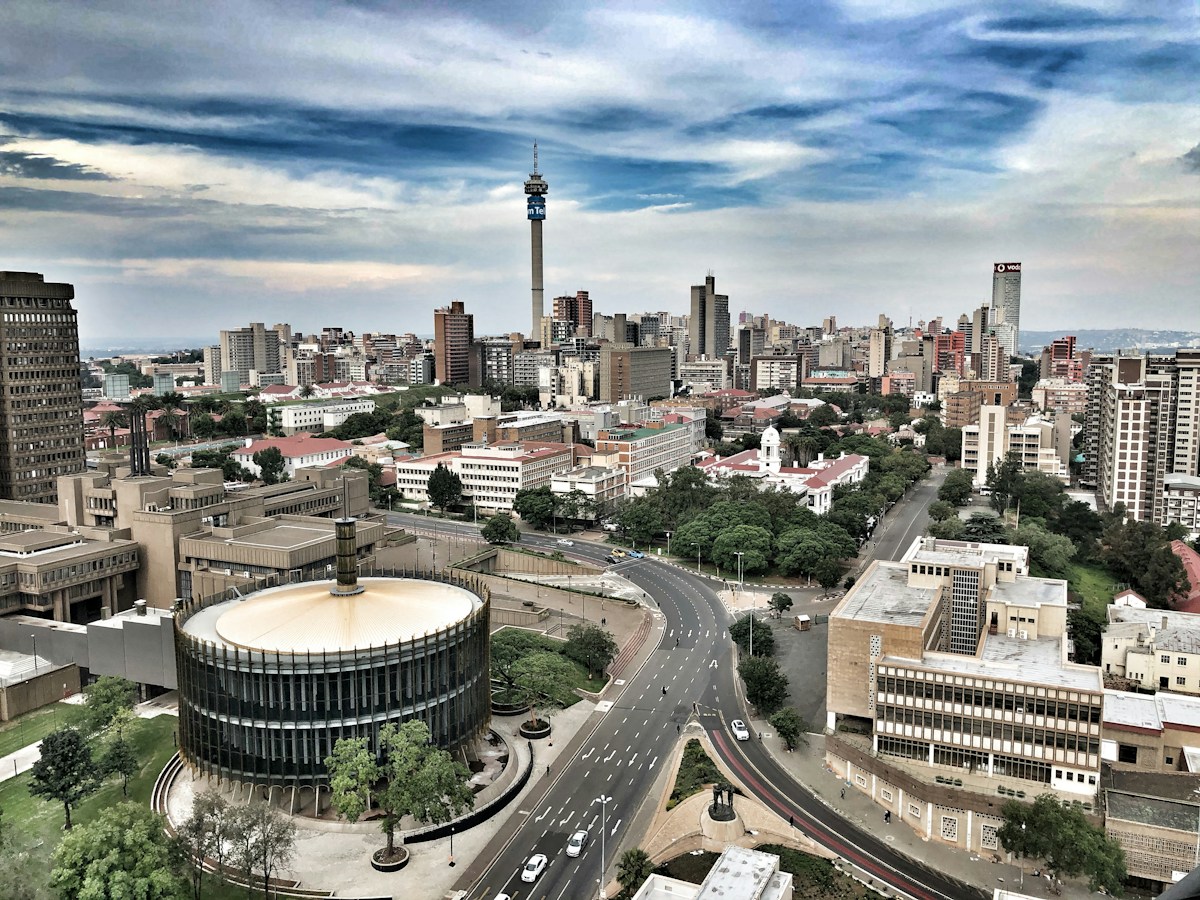
Johannesburg's governing challenges came into sharp focus this week as bomb squad deployments, widespread power cuts, and flooding incidents exposed deepening municipal dysfunction following Mayor Dada Morero's State of City Address.
The chaotic aftermath of Thursday's annual address highlighted what critics call a systemic failure to maintain basic services in South Africa's economic capital, according to News24. The incidents—ranging from emergency explosive ordnance responses to infrastructure collapses requiring inflatable boat rescues—painted a grim picture of a city struggling to meet fundamental governance responsibilities.
Morero defended his administration's performance during tense post-address exchanges, citing Labour Force Survey data and challenging criticism about Johannesburg's persistent unemployment and service delivery failures. Yet the mayor's statistics offered little comfort to residents who have endured years of deteriorating infrastructure, unreliable electricity, and inadequate emergency responses.
The crisis reflects broader questions about municipal capacity three decades into South Africa's democratic transition. Johannesburg, with its sophisticated financial sector and continental headquarters for multinational corporations, should exemplify post-apartheid development success. Instead, the city exemplifies the governance gap between democratic institutions and service delivery—a gap that undermines public trust and economic potential.
Power cuts particularly highlight this dysfunction. While national electricity provider Eskom's load shedding has dominated headlines, municipal electrical system failures compound the problem. Business districts face unpredictable outages that disrupt commerce; residential areas experience prolonged blackouts that compromise security and quality of life. For a city positioning itself as Africa's financial hub, such unreliability represents both immediate hardship and reputational damage.
Flooding incidents requiring emergency boat deployments point to aging storm water infrastructure unable to cope with heavy rainfall. These are not natural disasters but predictable failures resulting from deferred maintenance, inadequate capital investment, and, in some cases, corruption that diverts resources from essential upgrades to politically connected contracts.
The bomb squad deployments—while less common than power or water failures—underscore security concerns that intersect with service delivery problems. Abandoned infrastructure, poorly lit public spaces, and inadequate police resources create environments where criminal activity flourishes, occasionally requiring explosive ordnance teams when suspicious packages appear in neglected urban spaces.
In South Africa, as across post-conflict societies, the journey from apartheid to true equality requires generations—and constant vigilance. The infrastructure crisis reveals how historical spatial inequality persists. Affluent neighborhoods often maintain private security, backup generators, and water storage systems that insulate residents from municipal failures. Working-class communities, predominantly Black and located in former township areas, bear the full weight of service delivery collapse.
Yet Johannesburg's dysfunction is neither inevitable nor universal across South Africa. Some municipalities demonstrate that capable local government is possible within the country's constitutional framework. The question facing Johannesburg is whether political will exists to address systemic problems or whether crisis management will continue substituting for strategic governance.
The State of City Address offered vision without credible implementation pathways. South Africa's opposition parties seized on the post-address chaos as evidence that the governing coalition lacks capacity to manage the country's economic center. As South Africa navigates coalition governance at national and municipal levels, Johannesburg's infrastructure failures provide a test case for whether collaborative politics can deliver results—or simply obscure accountability when services collapse.