
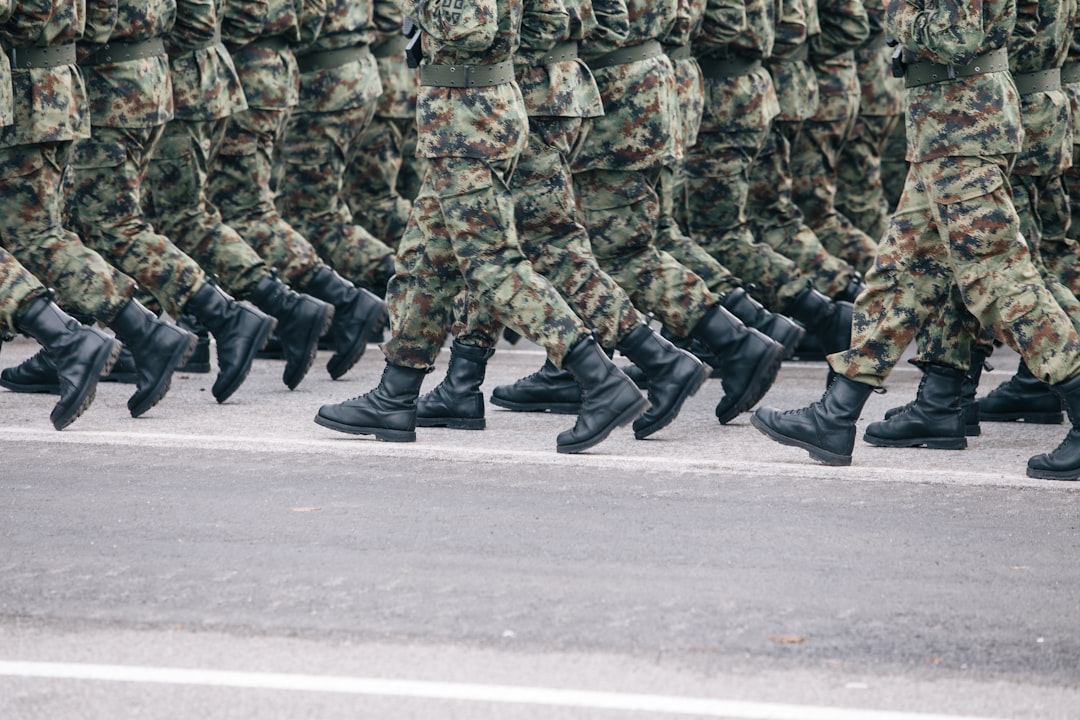
Photographs circulating on social media showing Nigerian military and police personnel shaking hands and posing with extremist preacher Sheik Ahmad Gummi have triggered outrage and renewed questions about security force complicity in the kidnapping crisis devastating northern Nigeria.
Sheik Gummi, an Islamic cleric with documented ties to bandit groups operating in Nigeria's northwest, has publicly justified child kidnappings as "a lesser evil" than military operations against Boko Haram and ISWAP terrorists. His aide has been implicated in facilitating ransom negotiations that have enriched criminal networks while undermining security operations.
The images, shared widely across Nigerian social media platforms, show uniformed personnel treating Gummi with deference—handshakes, smiles, photo opportunities—despite his role as a self-appointed mediator between government and the very bandits killing Nigerian soldiers in the bush.
"This is not accidental fraternization. This is collaboration," said Murtala Ibrahim, a security analyst based in Abuja. "When military personnel celebrate a man whose right-hand associate helps negotiate ransoms that fund more attacks, you have to question whose side they're on."
Sheik Gummi has cultivated a controversial public profile as a "peace broker" between Nigerian authorities and bandit groups terrorizing the northwest. He has negotiated the release of kidnap victims—including schoolchildren—in exchange for substantial ransoms, a process critics argue incentivizes more kidnappings rather than resolving the crisis.
His most inflammatory statements came after military airstrikes killed Boko Haram fighters, when he argued that terrorist kidnappings of children represented a lesser evil than government forces killing terrorists. The comments drew widespread condemnation from Christian and moderate Muslim communities who have borne the brunt of extremist violence.
Yet despite this record, Gummi moves freely through military checkpoints, consults with officials, and apparently commands respect from security personnel who lose colleagues weekly to the same groups he mediates for. The photographs suggest this relationship runs deeper than official acknowledgment.
"My brothers died fighting these criminals," said one active-duty soldier who spoke on condition of anonymity. "Now I see officers smiling with the man who calls our operations evil? It destroys morale. It makes you wonder what the point is."
The Nigerian military has not responded to requests for comment about the photographs or the nature of Gummi's relationship with security forces. Defense Ministry spokespeople have previously described him as "one channel among many" for resolving hostage situations, though they insist official policy prohibits ransom payments.
That official stance rings hollow to victims' families who watch ransom negotiations unfold publicly, with Gummi frequently announcing "successful mediation" after undisclosed payments change hands. Estimates suggest bandit groups have collected hundreds of millions of naira through kidnap-for-ransom operations, funding weapons purchases and territorial expansion.
The controversy comes amid growing public frustration with Nigeria's security sector. Despite massive defense budgets and thousands of troops deployed across the northeast and northwest, kidnappings, banditry, and extremist attacks continue unabated. The Sheik Gummi photographs crystallize suspicions that corruption, incompetence, or deliberate sabotage undermines military operations.
"Is this official policy or rogue elements?" asked Senator Shehu Sani, who represents Kaduna state, one of the hardest-hit regions. "The Nigerian people deserve answers. Are security forces fighting bandits or networking with their spiritual advisors?"
Civil society groups have called for a full investigation into Gummi's activities and his relationships with security personnel. They argue that anyone facilitating ransom payments—regardless of stated intentions—should face prosecution under anti-terrorism financing laws.
In Nigeria, as across Africa's giants, challenges are real but entrepreneurial energy and cultural creativity drive progress. Yet progress becomes impossible when the institutions meant to provide security appear compromised from within. Until Nigeria confronts the uncomfortable questions raised by these photographs, the kidnapping crisis will continue claiming victims while those profiting from it smile for cameras.
The images serve as a damning indictment of a system where perpetrators, enablers, and security forces occupy the same social circles while ordinary Nigerians—Christian and Muslim alike—bury their children and empty their savings to ransom captives from criminals who operate with apparent immunity.