
Nigeria faces a 28 million housing deficit, and one ambitious proposal circulating among development advocates suggests building enough apartments to house the entire population—at a cost of approximately $100 billion.
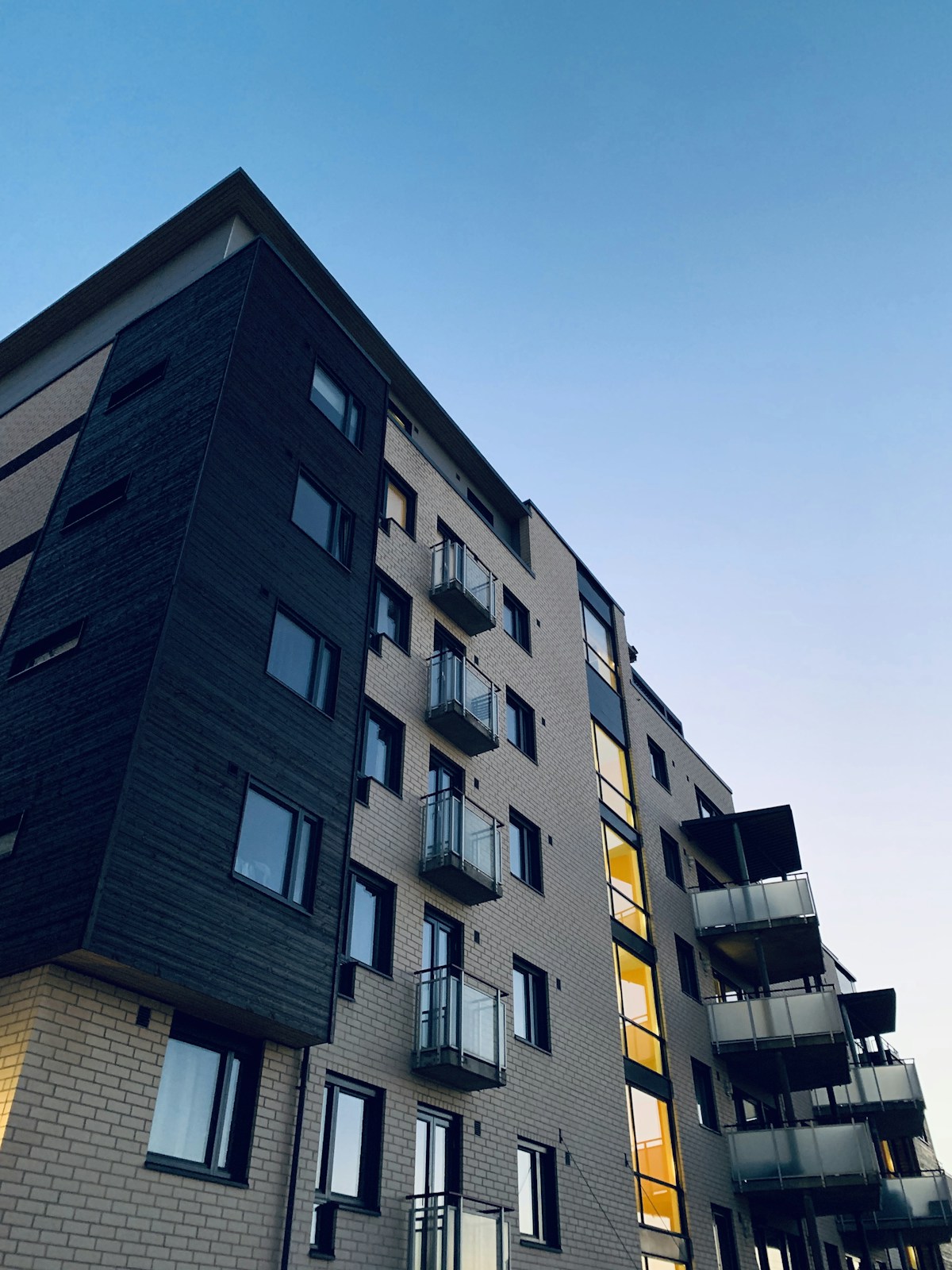
The proposal, detailed in a viral post on Nigerian forums, envisions a massive nationwide construction program: ten-story residential buildings with 60 apartments each, clustered into estates of 100 buildings (6,000 units per estate), with five estates in each of Nigeria's 774 local government areas. The math yields 23.2 million apartments—enough, proponents say, to house over 100 million people if each unit accommodates four to five residents.
Each apartment would sell for 35 million naira (approximately $23,000 at current exchange rates), with an 8 million naira down payment and 2 million naira annual installments—structured to be accessible for middle-income families. All transactions and utility payments would be managed through mobile apps, reflecting Nigeria's thriving fintech sector.
The question isn't whether Nigeria needs housing—the deficit is real and growing as urbanization accelerates. Lagos alone adds hundreds of thousands of residents annually, straining already inadequate housing stock. The question is whether this particular vision is realistic or aspirational, and why comparable programs haven't been attempted.
The $100 billion price tag is both the proposal's strength and its Achilles heel. For context, Nigeria's entire federal budget for 2024 was approximately $35 billion. Mobilizing $100 billion would require a combination of government funding, private investment, international development finance, and public-private partnerships at a scale Nigeria has never achieved.
China offers a relevant comparison. Between 2000 and 2020, China built housing for hundreds of millions of people moving from rural areas to cities, constructing massive residential complexes at speeds Western observers found astonishing. But China's model relied on state-owned banks providing cheap credit, government-controlled land allocation, and centralized planning authority that simply doesn't exist in Nigeria's federal system.
Nigeria's challenges are structural. Land acquisition across 774 local governments would require navigating complex tenure systems, securing titles, and managing compensation disputes. Construction at this scale would demand cement, steel, and skilled labor far beyond current domestic production, driving up costs. The country's chronic electricity crisis means these estates would need independent power solutions—solar installations, generators, or connections to unreliable grids.
Water, sewage, roads, schools, and healthcare facilities would all need to accompany housing construction. Building apartments without supporting infrastructure creates slums, not communities.
Urban planning experts note that Nigeria has attempted large housing initiatives before with mixed results. The National Housing Fund, established in 1992, aimed to provide affordable housing through payroll contributions but has delivered far fewer units than promised, hampered by bureaucracy, corruption, and inadequate funding. State-level housing schemes have similarly underperformed.
Yet the scale of thinking matters. Nigeria's housing deficit won't be solved by incremental projects. If the country builds 50,000 units annually—already ambitious—it would take 560 years to close the current gap, even before accounting for population growth.
"The point is, we can solve the deficit many times over," the proposal's author wrote. "So why aren't we doing this? Is the money the only problem? Or is it politics, land, corruption?"
The answer is likely all of the above. Nigeria's entrepreneurial energy and private sector dynamism coexist with governance failures that prevent large-scale public goods provision. The country that produces Nollywood films and tech unicorns struggles to deliver basic infrastructure.
In Nigeria, as across Africa's giants, challenges are real but entrepreneurial energy and cultural creativity drive progress. The housing proposal may be more vision than viable plan, but it forces necessary questions about why a resource-rich nation cannot house its citizens—and what it would actually take to change that reality.
Whether Nigeria needs more radical thinking or more pragmatic execution remains an open debate. What's clear is that 28 million people without adequate housing represent both a humanitarian crisis and an economic opportunity that won't wait for perfect solutions.