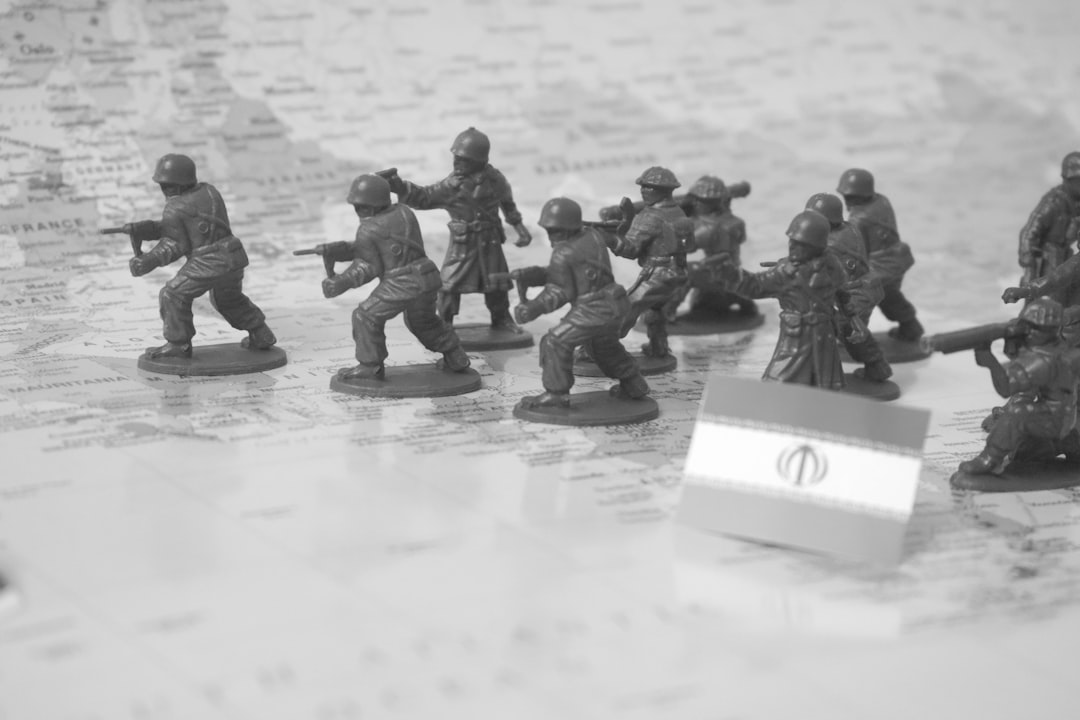
China's Commerce Ministry issued a formal legal injunction Friday declaring that US sanctions against five Chinese oil refineries "shall not be recognized, implemented, or complied with," marking the most direct rejection of American extraterritorial sanctions authority Beijing has ever made.
The unprecedented move, which names Hengli Petrochemical, Shandong Jincheng, Hebei Xinhai, Shouguang Luqing, and Shandong Shengxing as protected entities, transforms what had been quiet evasion of US sanctions into open defiance. It is a published government order instructing Chinese companies and financial institutions to ignore Treasury Department designations related to Iranian oil purchases.
The geopolitical implications are profound. US secondary sanctions on Iran's oil sector have always depended on China's tacit cooperation, even reluctant cooperation. Beijing has historically allowed enough ambiguity in its enforcement to make Washington's sanctions workable while maintaining its own access to Iranian crude through shadow fleets and shell companies. A public injunction removes that ambiguity entirely.
"This isn't about helping Iran. It's about establishing that the United States does not have unilateral authority to determine who Chinese companies can do business with," said a Chinese foreign policy analyst speaking on condition of anonymity due to the sensitivity of the matter. "It's a sovereignty issue dressed up as sanctions policy."
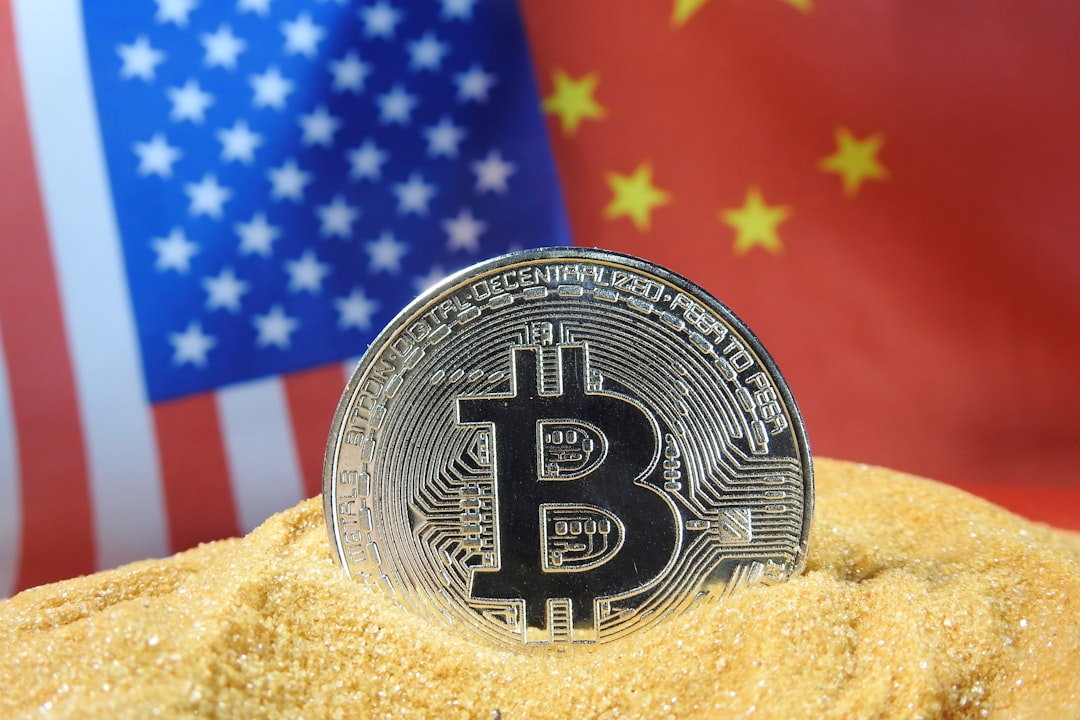
To understand today's headlines, we must look at yesterday's decisions. The US dollar's role as the global reserve currency has enabled Washington to enforce extraterritorial sanctions by threatening to cut violators off from dollar-denominated transactions and the American financial system. That leverage has allowed Treasury to target Iranian oil revenue even when the transactions occur entirely outside US jurisdiction.
China's formal blocking statute challenges the legal foundation of that system. If the world's second-largest economy and Iran's primary oil customer refuses compliance, the question becomes whether US secondary sanctions still function as a coercive tool or merely as a symbolic gesture.
The timing of Beijing's move is significant. President Trump is scheduled to meet Chinese President Xi Jinping later this month, and negotiations between Washington and Tehran remain stalled with Iran demanding sanctions relief as a precondition for nuclear constraints. China publicly hardening its position before the summit signals it is not planning to trade Iranian oil enforcement for trade concessions.
The five refineries named in the injunction process approximately 1.2 million barrels per day of Iranian crude, according to industry estimates, representing roughly half of Iran's total oil exports. Those revenues are critical to Tehran's ability to sustain its economy under sanctions and fund its regional proxy networks.
European diplomats privately acknowledge that China's blocking statute exposes a fundamental weakness in the US sanctions architecture. "The entire edifice depends on universal acceptance of American legal jurisdiction over global commerce," explained a senior EU official involved in Iran policy. "Once a major economy formally rejects that premise, the system's effectiveness is called into question."
The Treasury Department has not yet responded to Beijing's injunction, but officials familiar with the matter indicate Washington is reviewing its options, which range from imposing secondary sanctions on Chinese financial institutions to negotiating a face-saving compromise that preserves the appearance of enforcement while allowing continued oil flows.
The broader context includes China's ongoing efforts to internationalize the yuan and reduce dependence on dollar-denominated trade. By demonstrating willingness to ignore US sanctions, Beijing is effectively offering other countries a model for operating outside the dollar system, with implications that extend far beyond Iranian oil.
For Iran, China's public support provides critical breathing room as negotiations with the United States falter. Tehran can now count on its largest oil customer not merely evading sanctions quietly but defending their business relationship as a matter of principle and international law.