New Zealand has signed a new trade agreement with Singapore designed to ensure the flow of essential goods during crises, a move that reflects growing anxiety about supply chain vulnerabilities in an unstable world.
The deal, announced by RNZ, commits both countries to maintaining trade in critical supplies—food, medicine, energy—even during emergencies. It's the kind of agreement that would have seemed paranoid a decade ago. Now it looks prudent.
The COVID-19 pandemic exposed just how fragile global supply chains really are. Borders closed, export restrictions appeared overnight, and countries that had outsourced critical manufacturing found themselves scrambling. New Zealand, geographically isolated and heavily dependent on imports, felt that vulnerability acutely.
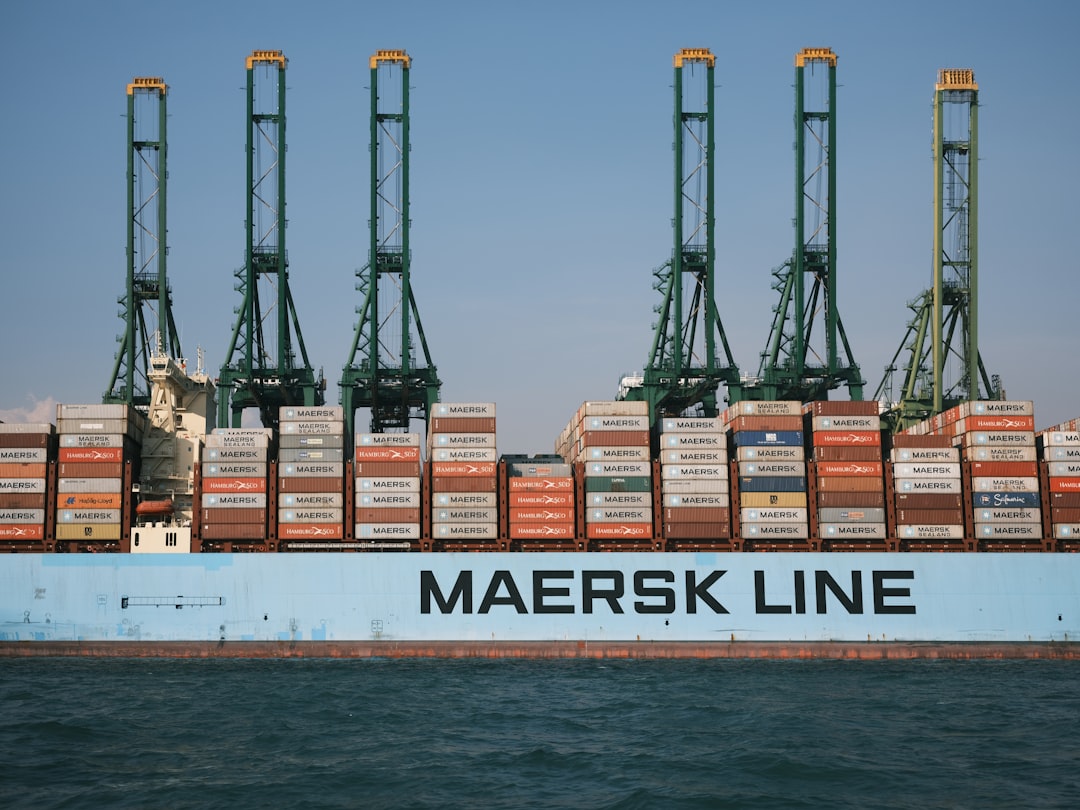
Singapore is a logical partner for this kind of arrangement. As a global trade hub with world-class logistics infrastructure, it's a critical node in Asia-Pacific supply chains. For New Zealand, maintaining access to Singapore's networks means maintaining access to global markets.
But there's also a strategic dimension. In an era of rising geopolitical tensions—tariff wars, sanctions, naval blockades—countries are hedging their bets. Trade agreements like this one are about resilience, not just efficiency. They're about ensuring that when things go sideways, you've got friends who'll keep the shelves stocked.
The agreement builds on existing frameworks like the Comprehensive and Progressive Agreement for Trans-Pacific Partnership (CPTPP), but goes further in specifying what happens during disruptions. It's a recognition that free trade isn't just about removing barriers—it's about building guarantees.
For New Zealand, a small, trade-dependent nation at the bottom of the world, these kinds of arrangements aren't optional. They're survival.