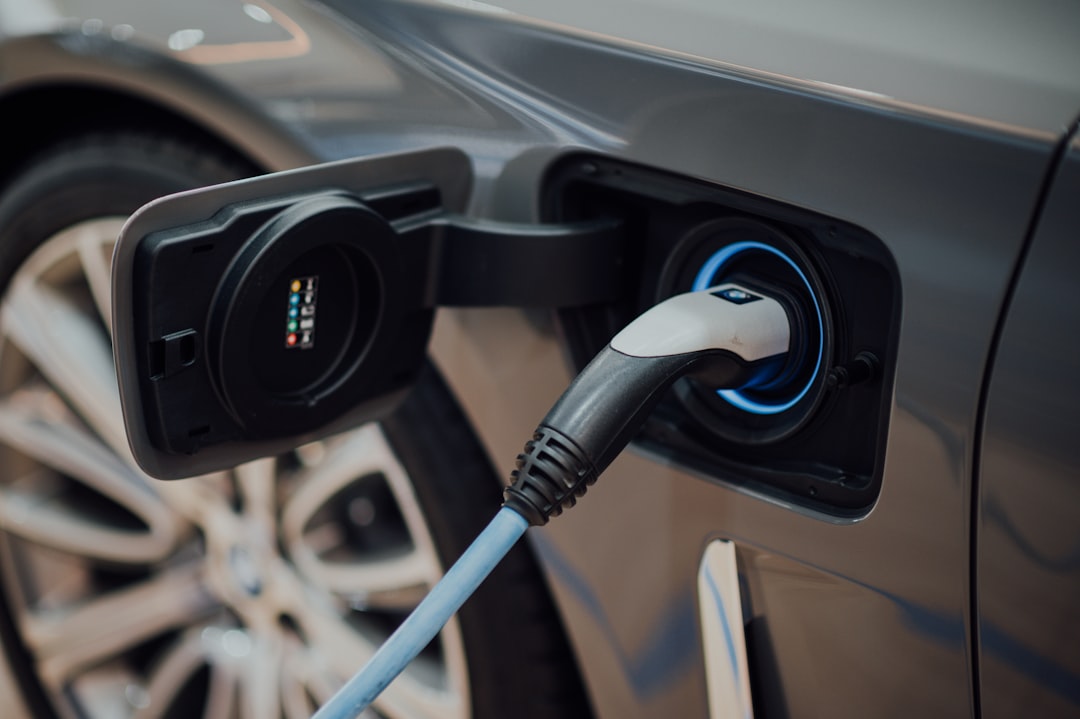
New Zealand's coalition government is facing fierce criticism for killing electric vehicle subsidies just as petrol prices surge amid the Middle East conflict, with opponents saying the timing exposes how ideological opposition to climate policy trumps energy security.
According to Stuff, the decision to scrap EV incentives comes precisely when the benefits of electric transportation are most obvious to consumers facing skyrocketing fuel costs.
Mate, the irony is so thick you could cut it with a knife. This would be the exact week to convince skeptical Kiwis that EVs make economic sense, and instead the government's eliminated the support that helps people afford them. It's ideology over reality.
The coalition government, led by the National Party with support from ACT and New Zealand First, made scrapping the Clean Car Discount a priority after taking office. The program provided rebates of up to NZ$8,625 for new EVs and up to NZ$3,450 for used imports, while imposing fees on high-emission vehicles.
Critics argued the fees unfairly penalized rural communities and tradies who need larger vehicles for work. Supporters countered that the program was successfully accelerating EV adoption and reducing New Zealand's transport emissions, which account for roughly 40% of the country's total carbon output.
But with fuel prices spiking due to Iran conflict disrupting global oil supplies, the economic case for EVs has never been stronger. Electric vehicle owners are insulated from petrol price volatility, while those who bought conventional vehicles on the assumption that fuel would remain affordable are now facing budget pain.
The timing also undermines New Zealand's climate leadership in the Pacific. Low-lying island nations like Tuvalu and Kiribati are watching as one of the region's wealthiest countries abandons climate policies just when the world needs them most.