
China has formally rejected new US sanctions targeting Chinese refineries over their purchases of Iranian oil, dismissing Washington's secondary sanctions framework as illegitimate and signaling Beijing's determination to maintain energy imports from Tehran despite American pressure—the latest demonstration of China's pattern of defying US extraterritorial enforcement measures.
The US Treasury Department recently imposed sanctions on several Chinese independent refineries, known as "teapots," for processing Iranian crude oil in violation of American sanctions on Iran's energy sector. The measures prohibit these companies from accessing the US financial system and doing business with American entities, aiming to enforce compliance with US Iran policy through economic pressure.
China's Foreign Ministry responded by calling the sanctions "illegal unilateral measures" that violate international law and infringe on Chinese sovereignty. "China opposes US unilateral sanctions and so-called 'long-arm jurisdiction,'" a ministry spokesperson stated, using Beijing's standard formulation for rejecting American extraterritorial sanctions enforcement.
The statement reflects China's principled position that US sanctions on Iran lack UN Security Council authorization and therefore carry no legal weight for third countries. Beijing maintains that its energy trade with Iran represents normal commercial exchange between sovereign nations and falls outside legitimate US regulatory authority. This stance has remained consistent regardless of which party controls the White House.
In China, as across Asia, long-term strategic thinking guides policy—what appears reactive is often planned. China's Iran energy relationship serves multiple strategic objectives beyond immediate oil supply needs. It provides leverage in Middle East diplomacy, offers an alternative energy source less vulnerable to disruption than Gulf supplies that transit US-monitored sea lanes, and demonstrates to other nations that alternatives to US-dominated financial and trading systems exist.
Data on China-Iran oil trade shows significant volumes despite US sanctions pressure. While official statistics are unreliable due to the sanctions environment, shipping trackers and industry analysts estimate China imports between 500,000 and 1 million barrels per day of Iranian crude, making Beijing by far Tehran's largest customer. The trade provides Iran with crucial revenue despite the sanctions regime, while offering Chinese refineries discounted crude that improves margins.
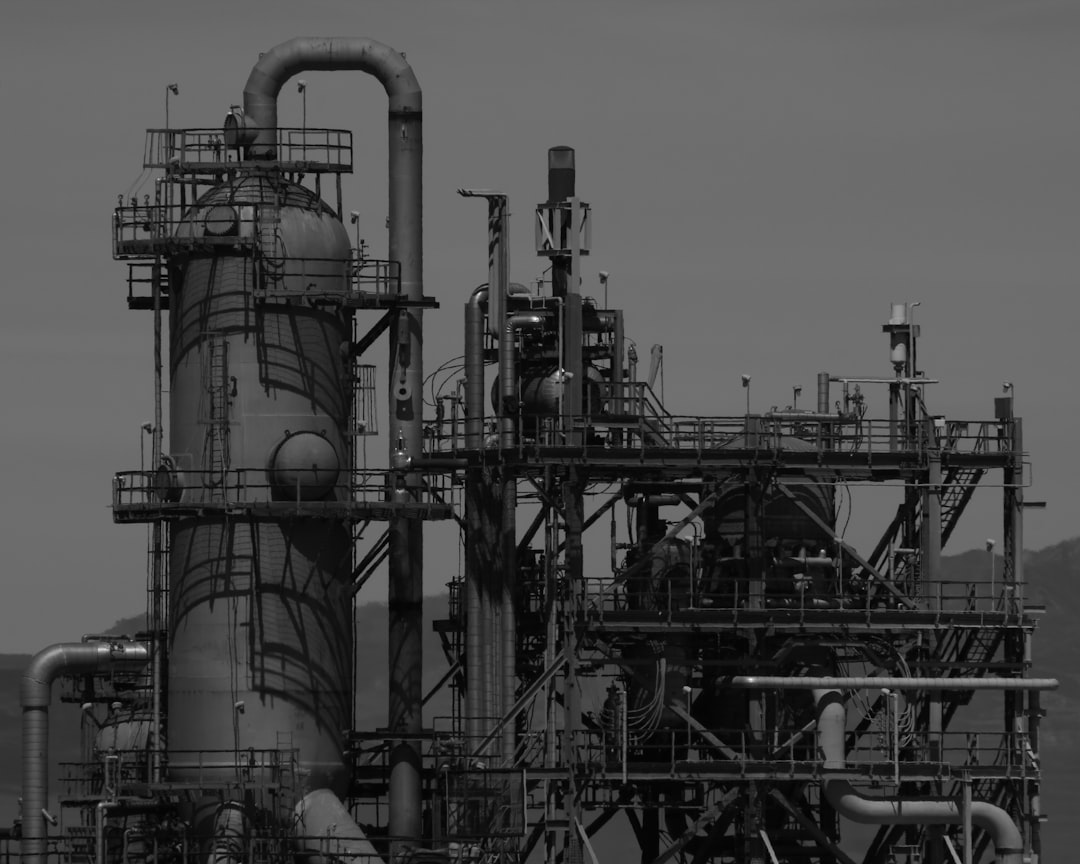
The sanctioned refineries operate in China's independent refining sector, which has grown substantially over the past decade. These smaller refineries, concentrated in Shandong province, have proven more willing than major state-owned enterprises to handle sanctioned Iranian crude, in part because they have limited international exposure that US sanctions can threaten. Their business models rely on domestic sales, reducing vulnerability to US financial system exclusion.
For Chinese authorities, defending these companies against US sanctions serves both economic and political purposes. Economically, Iranian oil supply helps maintain refining capacity utilization and moderates domestic fuel prices. Politically, accepting US sanctions enforcement would establish a precedent that Beijing finds unacceptable, effectively granting Washington veto power over Chinese commercial relationships with third countries.
The dynamic illustrates fundamental tensions in the US-China relationship that extend well beyond trade disputes. The United States views its sanctions framework as a legitimate foreign policy tool to isolate regimes it considers threatening or destabilizing. China views the same framework as an illegitimate exercise of hegemonic power that violates sovereignty and international law by compelling third countries to comply with American preferences.
These conflicting perspectives become particularly sharp regarding Iran, where China has significant energy and strategic interests. Chinese officials argue that the 2015 Joint Comprehensive Plan of Action (JCPOA) provided the proper framework for addressing Iran nuclear concerns through multilateral diplomacy. When the Trump administration withdrew from the JCPOA and reimposed sanctions, China continued limited compliance with the UN-endorsed agreement while resuming oil imports.
The sanctions confrontation reflects broader Chinese efforts to build alternative economic and financial infrastructure less vulnerable to US pressure. Initiatives including cross-border payment systems that bypass SWIFT, bilateral currency agreements that reduce dollar dependence, and regional trading arrangements that minimize US financial system exposure all aim to create space for China and partners to conduct commerce outside American oversight.
For Iran, Chinese willingness to defy US sanctions provides crucial economic lifeline. Tehran's oil revenue, though substantially reduced from pre-sanctions levels, continues flowing primarily through Chinese purchases. This revenue helps the Iranian government maintain basic state functions and prevents the total economic collapse that maximum pressure advocates envisioned.
US policymakers face limited options for compelling Chinese sanctions compliance. While the United States can sanction individual Chinese companies, imposing measures on major Chinese banks or state enterprises that might decisively curtail Iran trade carries risks of serious damage to the broader US-China economic relationship. Previous administrations have generally stopped short of such escalation, accepting some sanctions evasion rather than triggering broader conflict.
The pattern extends beyond Iran. China has similarly resisted US secondary sanctions on North Korea (maintaining economic ties despite UN sanctions), Venezuela (preserving investment in the oil sector), and Russia (limiting participation in Ukraine-related sanctions). In each case, Beijing calculates that strategic benefits of maintaining relationships outweigh costs of US pressure, particularly when sanctions lack international consensus.
For global oil markets, China's Iran imports represent a factor in supply-demand calculations but one largely already incorporated into price expectations. The trade occurs in a grey zone—widely known but difficult to prevent—that provides Iran partial sanctions relief while avoiding direct confrontation that might prompt more severe US responses.